A QS 2024 eredményeit különösen azokban az országokban várták nagyon, ahol a különféle felsőoktatási stratégiai beavatkozások egyik hirdetett motivációja a globális rankingekben való előrelépés volt – ahogyan ez Magyarországon is történt. Kérdés, hogy levonják-e a tanulságokat a reális célok kitűzése érdekében?
A lista általános tanulságai egyértelműek a kelet-közép-európai posztszocialista térség s benne a magyar felsőoktatás számára is: a QS által bevezetett, jelentős mértékű módszertani változások sem kedveztek az intézményeink helyezésének, jelentős többségüknél jellemző maradt az alsó-középmezőnyhöz tartozás, azon belül a pozícióromlás, alig találunk áttörést mutató pozitív fejleményt.
Mindez számszerűsítve: a QS közel másfélezer egyetemet számításba vett listájának első harmadában, tehát az első ötszázban hét intézmény szerepel a rangsorolt mintegy nyolcvan térségbeli körből. (Összehasonlításként: a nyolc osztrák egyetemből öt, a kilenc finnből hét ilyen pozíciót ért el.) A hagyományos közéjük tartozó prágai Károly Egyetem (248) és a Varsói Egyetem (262.) még javított is helyezésén, míg az ugyancsak az élmezőnyben lévő krakkói Jagello Egyetem kikerült az első háromszázból (304.) Mellettük még két egy észt (Tartu) egy litván (Vilnius) és két cseh egyetemet soroltak az első ötszázba – közöttük is a Masaryk Egyetem pályája figyelemreméltó, hiszen a tavalyi 551-560-as pozícióból idén a 400. lett. Más kategóriában, de jelentős előrelépést látunk a Belgrádi Egyetemnél, a 721-730 csoportba került az 1001-1200-ból.
A magyar egyetemek esetében nem találunk ilyen nagy ugrást, sőt, javulásként is csak kreatív kommunikációval értékelhető, hogy a második legjobban szereplő Debrecen a 651-700-as csoportból a cizelláltabb beosztásnak köszönhetően a 671-680-as sávba került, Az ELTE esetében a 701-750-es tavalyi eredmény most 701-710, ami talán jelenhet jobb besorolást. Azonban a legjobban szereplő Szegedi Tudományegyetem esetében sajnos egyértelmű a tendencia: a korábbi 551-560 helyett most a 601-610 csoportba került. Az egyetem ugyan több indikátorban is javult (tudományos és foglalkoztató reputáció, idézettség), azonban a hallgató-oktató arány, a külföldi oktatók és hallgatók aránya és különösen a nemzetközi kutatói hálózatokban való részvétel valamint a munkaerőpiaci kilátások tekintetében romlottak az indikátor-értékei. A Műegyetem viszont előbbre került, a 801-1000 bő kategóriából a 741-750-be, ez érdemi pozitív változást sejtet. A Corvinus (1001-1200) és Óbuda (1201-1400) pozíciója változatlan maradt, bár előbbi indikátorértékei általánosan romlottak, utóbbinál néhány javult, a többi egyetemünk (Pécs 801-850, MATE 1001-1200, Győr 1001-1200, Miskolc 1201-1400, Pannonia 1201-1400) viszont rosszabb értékelést kapott.
| év | University | country | RANK | Academic Reputation | Employer Reputation | Faculty Student Ratio | Citations per Faculty | International Faculty Ratio | International Students Ratio | International Research Network | Employment Outcomes | Sustainability | |
|---|---|---|---|---|---|---|---|---|---|---|---|---|---|
| 2024 | Budapest University of Technology and Economics | Hungary | 741-750 | 14.3 | 19.4 | 15.2 | 8.9 | 2.5 | 18.8 | 25.4 | 25 | 40.8 | |
| 2023 | Budapest University of Technology and Economics | Hungary | 801-1000 | 14.6 | 19.8 | 17 | 8.8 | 2.5 | 19.4 | 78.7 | 29.4 | ||
| 2024 | Corvinus University of Budapest | Hungary | 1001-1200 | 10.9 | 16 | 4.8 | 3.1 | 7.8 | 37.5 | 1.2 | 5.5 | 1.1 | |
| 2023 | Corvinus University of Budapest | Hungary | 1001-1200 | 11 | 17.2 | 4.7 | 3.3 | 8.7 | 40 | 16.4 | 16.9 | ||
| 2024 | Eötvös Loránd University | Hungary | 701-710 | 23.9 | 16.8 | 13.2 | 7.8 | 5 | 11.3 | 31.1 | 30.8 | 10.2 | |
| 2023 | Eötvös Loránd University | Hungary | 701-750 | 23.9 | 15.3 | 17.1 | 7.1 | 5.6 | 15.3 | 68.2 | 43 | ||
| 2024 | MATE Hungarian University of Agriculture and Life Sciences | Hungary | 1001-1200 | 5.6 | 4 | 34.1 | 2.9 | 1.9 | 29.1 | 8.5 | 5.5 | 1.4 | |
| 2023 | MATE Hungarian University of Agriculture and Life Sciences | Hungary | 801-1000 | 5.2 | 4 | 42.8 | 2.6 | 1.7 | 32.2 | 52 | 18.1 | ||
| 2024 | Óbuda University | Hungary | 1201-1400 | 4.5 | 3.9 | 2.1 | 6.6 | 13.6 | 7.6 | 1.3 | 5.6 | 1 | |
| 2023 | Óbuda University | Hungary | 1201-1400 | 3.1 | 3.6 | 2 | 7.5 | 8.7 | 7.3 | 27.9 | 19.1 | ||
| 2024 | Szechenyi Istvan University (University of Gyor) | Hungary | 1001-1200 | 8.1 | 24.7 | 22.8 | 1.6 | 4.2 | 6.6 | 1 | 9.2 | 1.3 | |
| 2023 | Szechenyi Istvan University (University of Gyor) | Hungary | 801-1000 | 6.8 | 17.9 | 29.2 | 1.5 | 1.7 | 6.7 | 6 | 20.7 | ||
| 2024 | University of Debrecen | Hungary | 671-680 | 17.3 | 10.3 | 30.4 | 3.7 | 10.6 | 68 | 39.6 | 16.9 | 3.5 | |
| 2023 | University of Debrecen | Hungary | 651-700 | 17.8 | 9.4 | 27.4 | 3.8 | 8.4 | 78.3 | 57.4 | 30.7 | ||
| 2024 | University of Miskolc | Hungary | 1201-1400 | 6.2 | 5.2 | 23.6 | 2.3 | 3.1 | 6.6 | 1.2 | 12.7 | 1.1 | |
| 2023 | University of Miskolc | Hungary | 1001-1200 | 5.8 | 5.3 | 22.1 | 2.2 | 4.8 | 6 | 22.1 | 20.7 | ||
| 2024 | University of Pannonia | Hungary | 1201-1400 | 4.5 | 3.5 | 23.7 | 8.3 | - | 9.2 | 5.9 | 5.8 | 1 | |
| 2023 | University of Pannonia | Hungary | 1001-1200 | 4.3 | 3.1 | 25.6 | 9.8 | 10.2 | 63 | 34.7 | |||
| 2024 | University of Pecs | Hungary | 801-850 | 13.2 | 8.8 | 38.1 | 2.7 | 9.1 | 62.4 | 4.8 | 9.6 | 3 | |
| 2023 | University of Pecs | Hungary | 701-750 | 12.7 | 8.6 | 35.6 | 2.7 | 9.1 | 62.5 | 40.9 | 16.6 | ||
| 2024 | University of Szeged | Hungary | 601-610 | 18 | 12 | 44.6 | 4.9 | 11.9 | 50.5 | 34.6 | 9.1 | 34.9 | |
| 2023 | University of Szeged | Hungary | 551-560 | 17.7 | 11.1 | 48.7 | 4.7 | 12.9 | 53 | 76.5 | 15 | ||
| 2024 | Vilnius University | Lithuania | 473 | 19.8 | 27.8 | 83 | 3 | 13 | 14.9 | 43.5 | 25.5 | 11.7 | |
| 2023 | Vilnius University | Lithuania | 400= | 20 | 27.5 | 79.8 | 3.1 | 10.4 | 9.1 | 74.3 | 52.4 | ||
| 2024 | Jagiellonian University | Poland | 304 | 37.3 | 47.2 | 65.1 | 6.2 | 4.9 | 13.4 | 59.4 | 27.9 | 57.7 | |
| 2023 | Jagiellonian University | Poland | 293= | 38 | 55.1 | 62.6 | 6.6 | 5 | 11.9 | 82.8 | 33 | ||
| 2024 | University of Warsaw | Poland | 262 | 48.7 | 53.4 | 41.9 | 6.3 | 9.8 | 8.6 | 62.1 | 36.7 | 80 | |
| 2023 | University of Warsaw | Poland | 284= | 48.9 | 63.3 | 38.4 | 7.1 | 8.6 | 9.3 | 78 | 59.3 | ||
| 2024 | Babes-Bolyai University | Romania | 801-850 | 16.4 | 13.7 | 4.7 | 4.2 | 7.7 | 4 | 42.6 | 23.1 | 48.4 | |
| 2023 | Babes-Bolyai University | Romania | 1001-1200 | 15.6 | 11.8 | 4.4 | 4.5 | 12.5 | 4.3 | 81.8 | 28.9 | ||
| 2024 | Charles University | Czech Republic | 248 | 45.5 | 43.5 | 34.8 | 9.4 | 24.8 | 51.2 | 90.9 | 27.6 | 83.9 | |
| 2023 | Charles University | Czech Republic | 288= | 45.3 | 34.9 | 41.3 | 10.7 | 23.9 | 51.6 | 96 | 41.5 | ||
| 2024 | University of Zagreb | Croatia | 751-760 | 16.2 | 4.7 | 23.8 | 4.2 | 1.5 | 2.7 | 74.2 | 44.8 | 19.2 | |
| 2023 | University of Zagreb | Croatia | 801-1000 | 15.8 | 5.5 | 28.1 | 4.3 | 2 | 1.6 | 92.6 | 50.7 | ||
| 2024 | Comenius University Bratislava | Slovakia | 771-780 | 14.1 | 5.2 | 55.8 | 3.4 | 4.1 | 30.5 | 13 | 32.8 | 4.1 | |
| 2023 | Comenius University Bratislava | Slovakia | 651-700 | 12.6 | 2.8 | 53.8 | 3.4 | 3.2 | 29.3 | 60.6 | 49.2 | ||
| 2024 | University of Belgrade | Serbia | 721-730 | 17.8 | 5.2 | 4.3 | 5.3 | 2.9 | 4.3 | 95.4 | 56.7 | 16.1 | |
| 2023 | University of Belgrade | Serbia | 1001-1200 | 17.2 | 6.9 | 4.2 | 5.8 | 3.3 | 4.9 | 94.5 | 64.3 |
A QS fentebb említett módszertani váltása valószínűleg nem tett jót a térségbeli és magyar ranking-esélyeknek: megnőtt ugyanis a nemzetközi kutatási hálózatokat és a munkaerőpiaci kilátásokat mérő indikátorok jelentősége és egy új indikátor is bekerült, a fenntarthatóságé. Ezt egy összetett mérőeszközzel határozzák meg, amiben az életminőség, a szociális felelősség, a gender-arányok, a wellbeing stb. szerepelnek.
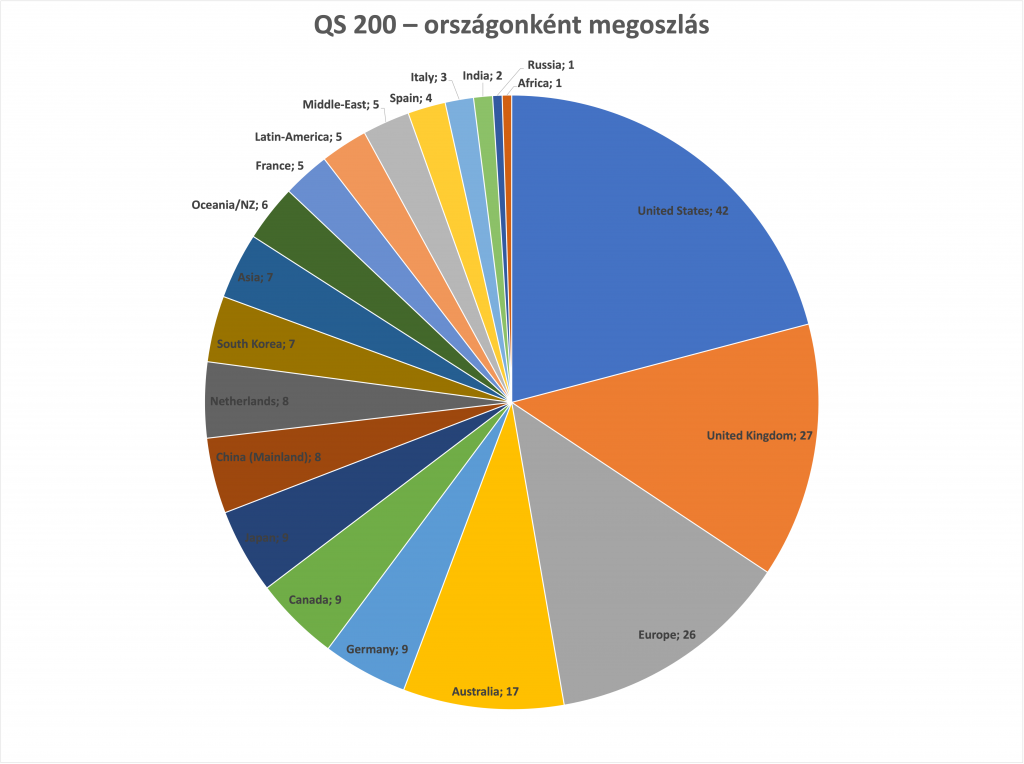
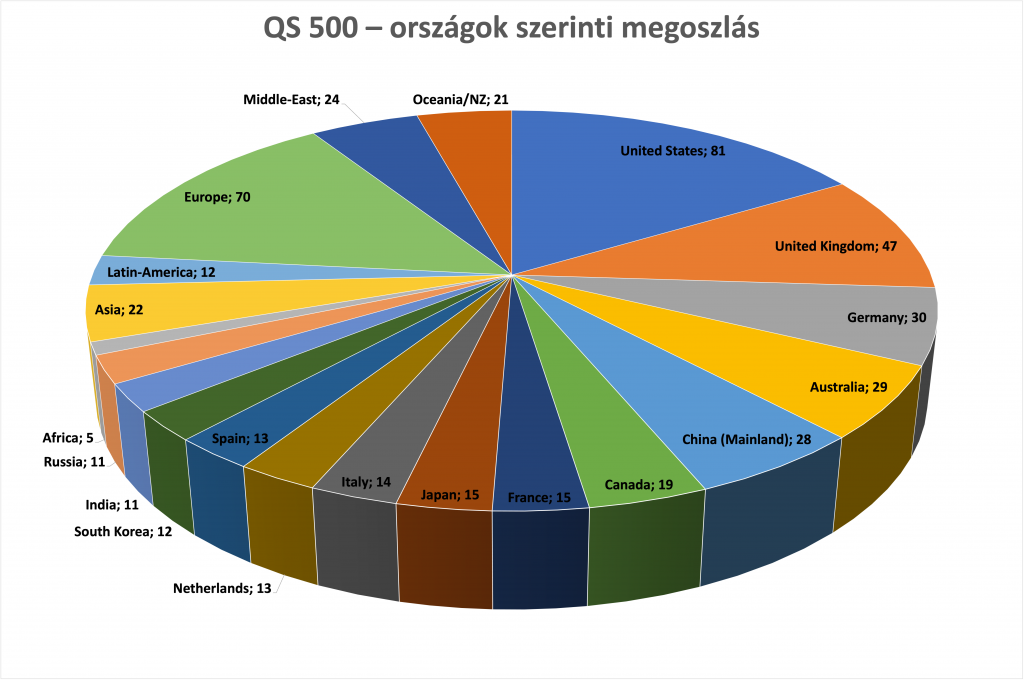
Végezetül a számunkra érdekességként releváns felsőbb régióiról a rangsornak: az élen ugyanaz az angol és USA-beli elitegyetemi kört találjuk (MIT, Oxford, Cambridge, Harvard, Stanford stb.), a legjobb 1%-ba Zürich, Szingapúr (NUS) és Melbourne került be „kívülről”. A magyar politikusok által gyakran megcélzott „legjobb kétszáz” között az intézmények felét öt ország adja (USA 42, UK 27, Ausztrália 17, Németország 9, Kína 8) tehát az angolszász dominancia nem csökkent.
 Dr. habil György Fábri (1964) is an habilitated associate professor (Institute of research on Adult Education and Knowledge Management, Faculty of Education and Psychology of Eötvös Loránd University), head of the Social Communication Research Group. Areas of research: university philosophy, sociology of higher education and science, science communication, social communication, church sociology. His monograph was published on the transformation of Hungarian higher education during the change of regime (1992 Wien) and on university rankings (2017 Budapest). He has edited several scientific journals, and his university courses and publications cover communication theory, university philosophy, science communication, social representation, media and social philosophy, ethics, and church sociology.
 Mr. Degli Esposti is Full Professor at the Department of Computer Science and Engineering, Deputy Rector Alma Mater Studiorum Università di Bologna, Dean of Biblioteca Universitaria di Bologna, Head of Service for the health and safety of people in the workplace, President of the Alma Mater Foundation and Delegate for Rankings.
 Ben joined QS in 2002 and has led institutional performance insights function of QS since its emergence following the early success of the QS World University Rankings®. His team is, today, responsible for the operational management of all major QS research projects including the QS World University Rankings® and variants by region and subject. Comprising over 60 people in five international locations, the team also operate a widely adopted university rating system – QS Stars – and a range of commissioned business intelligence and strategic advisory services.Ben has travelled to over 50 countries and spoken on his research in almost 40. He has personally visited over 50 of the world’s top 100 universities amongst countless others and is a regular and sought after speaker on the conference circuit.Ben is married and has two sons; if he had any free time it would be spent reading, watching movies and skiing.
 Anna Urbanovics is a PhD student at Doctoral School of Public Administration Sciences of the University of Public Service, and studies Sociology Master of Arts at the Corvinus University of Budapest. She is graduated in International Security Studies Master of Arts at the University of Public Service. She does research in Scientometrics and International Relations.

 Dr. Mircea Dumitru is a Professor of Philosophy at the University of Bucharest (since 2004). Rector of the University of Bucharest (since 2011). President of the European Society of Analytic Philosophy (2011 – 2014). Corresponding Fellow of the Romanian Academy (since 2014). Minister of Education and Scientific Research (July 2016 – January 2017). Visiting Professor at Beijing Normal University (2017 – 2022). President of the International Institute of Philosophy (2017 – 2020). President of Balkan Universities Association (2019 – 2020). He holds a PhD in Philosophy at Tulane University, New Orleans, USA (1998) with a topic in modal logic and philosophy of mathematics, and another PhD in Philosophy at the University of Bucharest (1998) with a topic in philosophy of language. Invited Professor at Tulsa University (USA), CUNY (USA), NYU (USA), Lyon 3, ENS Lyon, University of Helsinki, CUPL (Beijing, China), Pekin University (Beijing, China). Main area of research: philosophical logic, metaphysics, and philosophy of language. Main publications: Modality and Incompleteness (UMI, Ann Arbor, 1998); Modalitate si incompletitudine, (Paideia Publishing House, 2001, in Romanian; the book received the Mircea Florian Prize of the Romanian Academy); Logic and Philosophical Explorations (Humanitas, Bucharest, 2004, in Romanian); Words, Theories, and Things. Quine in Focus (ed.) (Pelican, 2009); Truth (ed.) (Bucharest University Publishing House, 2013); article on the Philosophy of Kit Fine, in The Cambridge Dictionary of Philosophy, the Third Edition, Robert Audi (ed.) (Cambridge University Press, 2015), Metaphysics, Meaning, and Modality. Themes from Kit Fine (ed.) (Oxford University Press, forthcoming).
 Since 1 February 2019 Minister Palkovics as Government Commissioner has been responsible for the coordination of the tasks prescribed in Act XXIV of 2016 on the promulgation of the Agreement between the Government of Hungary and the Government of the People’s Republic of China on the development, implementation and financing of the Hungarian section of the Budapest-Belgrade Railway Reconstruction Project.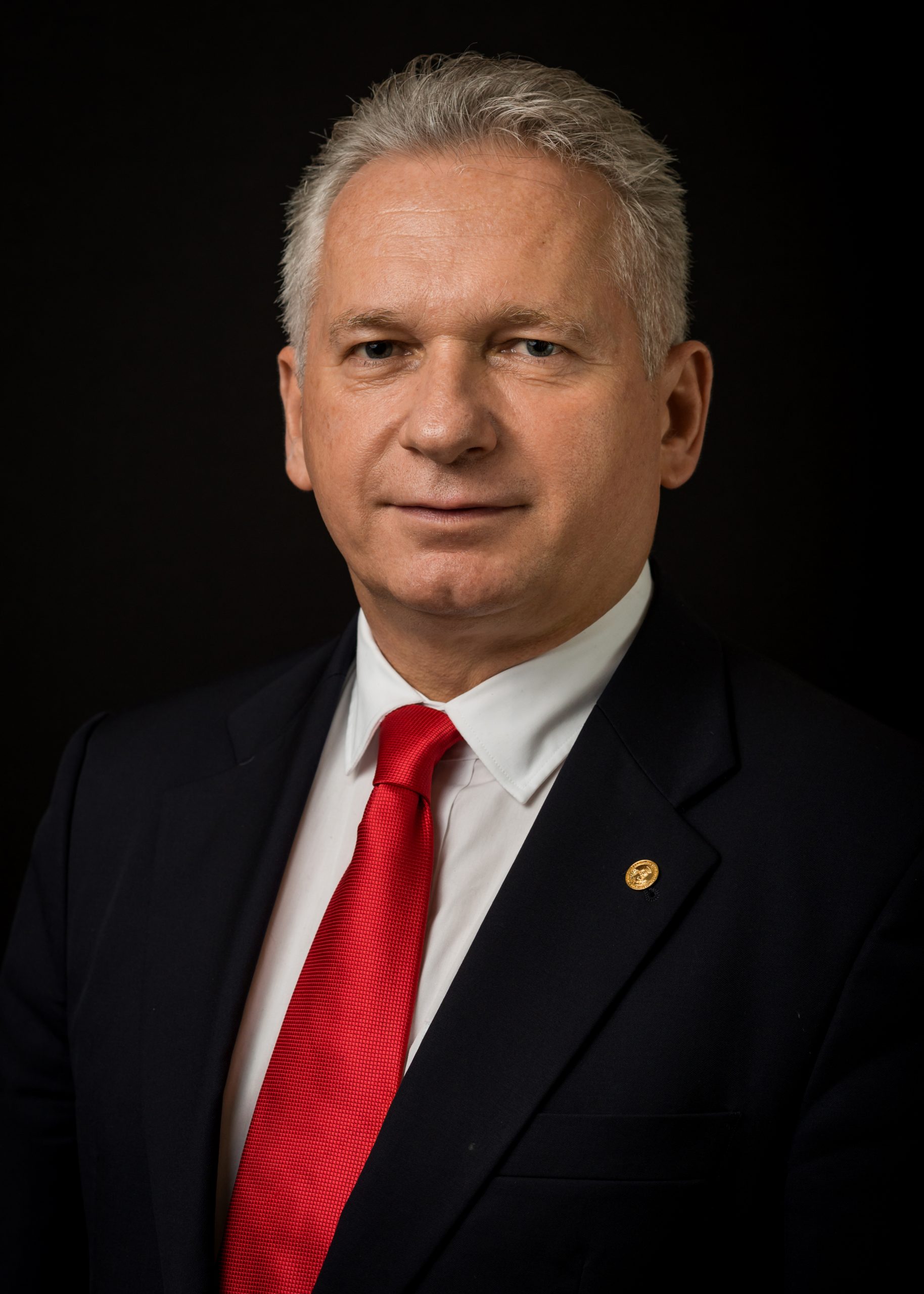
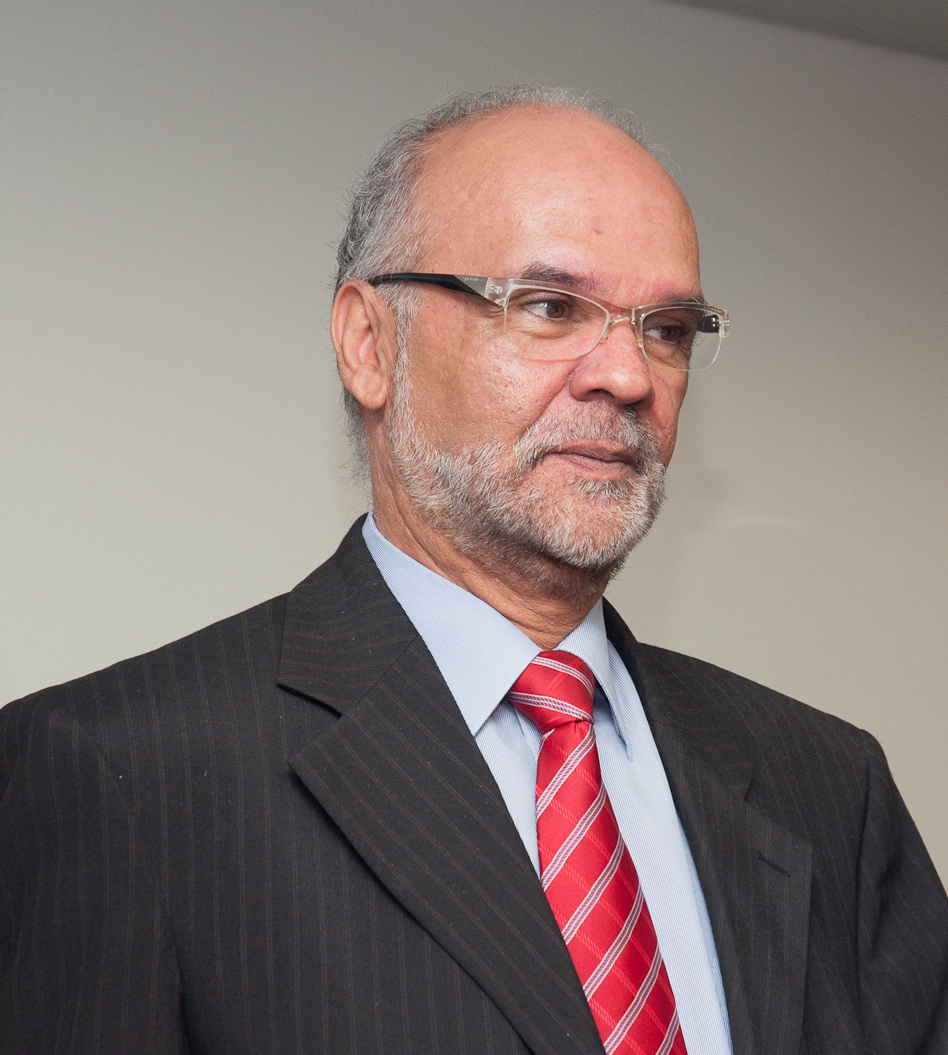
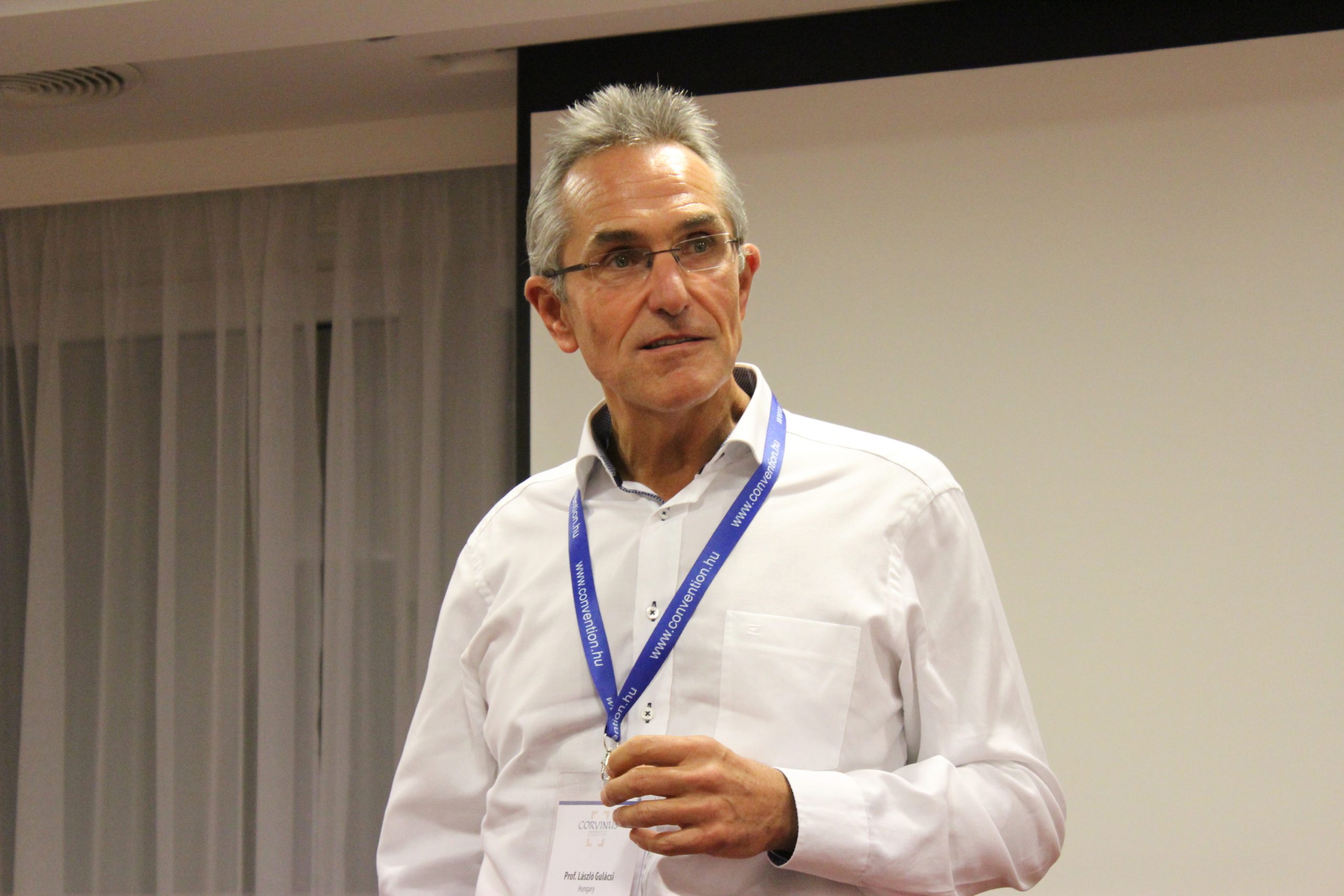 He is the past President of the Health and Health Care Economics Section of the Hungarian Economics Association.

 Based in Berlin, Zuzanna Gorenstein is Head of Project of the German Rectors’ Conference (HRK) service project “International University Rankings” since 2019. Her work at HRK encompasses the conceptual development and implementation of targeted advisory, networking, and communication measures for German universities’ ranking officers. Before joining the HRK, Zuzanna Gorenstein herself served as ranking officer of Freie Universität Berlin.
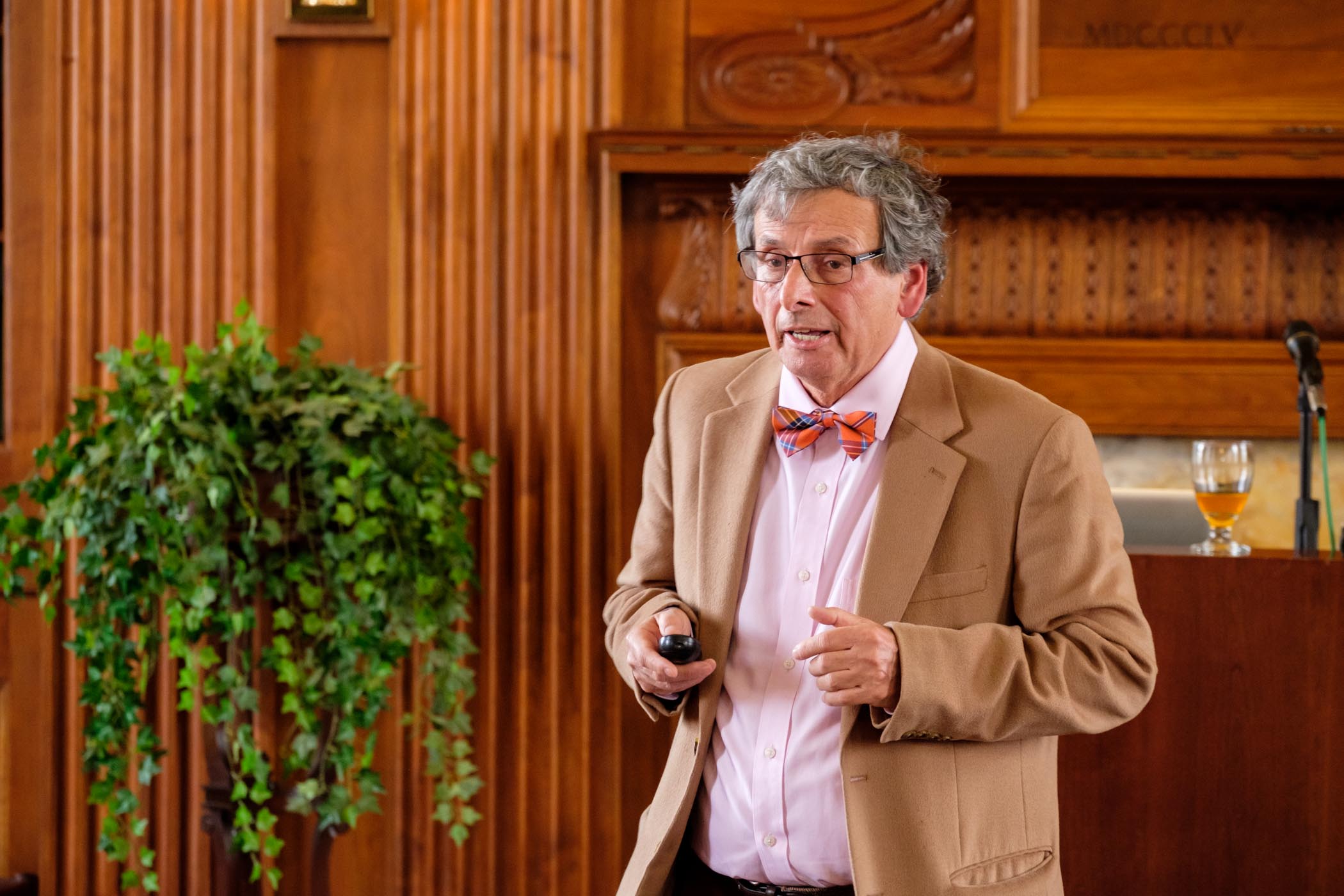 His books on mathematical modeling of chemical, biological, and other complex systems have been published by Princeton University Press, MIT Press, Springer Publishing house. His new book RANKING: The Unwritten Rules of the Social Game We All Play was published recently by the Oxford University Press, and is already under translation for several languages.