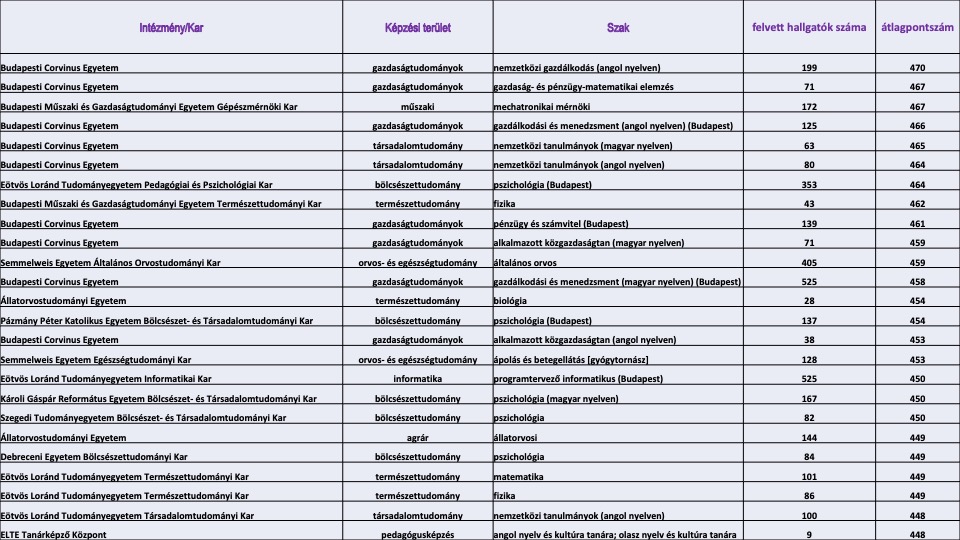
A legmagasabb átlagpontszámot a Corvinus nemzetközi gazdálkodási szak angol nyelvű képzésre felvettek értek el, 470 pontot. Ezt az eredményt az is különösen értékessé teszi, hogy 190 hallgatót vettek fel ide. A 868 szakból (ezeknél volt legalább öt felvett hallgató) a legmagasabb átlagpontszámú 25-ben a többi szak magyar nyelvű: a gazdálkodás és menedzsment, az általános orvosi és a különféle informatikusi képzések mellett a bölcsészet is jelen van pszichológusi és anglisztikai iránnyal, a jogászképzés, illetve a biológiával a természettudományok is képviseltetik magukat. Ebben a körben a legtöbb szak az ELTE-n található, ezt követi a BGE és a BME. Rajtuk kívül a fővárosi és vidéki tudományegyetemek egy-egy kara, illetve a Corvinus, az Óbudai Egyetem és a Pázmány van jelen.
Még szembetűnőbb egy-egy szak hallgatói tudás-kapacitása, ha azzal is mérjük, hogy vajon az oda felvett hallgatók mennyi pontot szereztek összesen. A pontszámtömeg tekintetében a BME VIK-en zajló magyar nyelvű mérnökinformatikus képzés messze kiemelkedik, hiszen negyedével több pontot szereztek az ide felvettek (hatszázkilencvenen voltak, 437-es átlagpontszámmal), mint a mögötte következő Corvinus magyar nyelvű gazdálkodás és menedzsment, ELTE IK programtervező informatikus vagy a BGE kereskedelmi-marketing szakja. A Műegyetem Villamoskara azzal is kiemelkedik, hogy két olyan szakot, amelyek bekerültek itt a legjobb huszonötbe, hiszen a 323 felvett villamosmérnök-hallgató teljesítménye is az első tízben van. A BGE felvettjei mutatnak még hasonló teljesítményt, hiszen a PSZK három, a „Külkerkar” két ilyen szakot kínál.
| felvett hallgatók száma | átlagpontszám | kummulált pontszám-tömeg | |||
| Budapesti Műszaki és Gazdaságtudományi Egyetem Villamosmérnöki és Informatikai Kar | informatika | mérnökinformatikus | 690 | 437 | 301530 |
| Budapesti Corvinus Egyetem | gazdaságtudományok | gazdálkodási és menedzsment (magyar nyelven) (Budapest) | 525 | 458 | 240450 |
| Eötvös Loránd Tudományegyetem Informatikai Kar | informatika | programtervező informatikus (Budapest) | 525 | 450 | 236250 |
| Budapesti Gazdasági Egyetem Külkereskedelmi Kar | gazdaságtudományok | kereskedelem és marketing | 606 | 375 | 227250 |
| Eötvös Loránd Tudományegyetem Állam- és Jogtudományi Kar | jogi | jogász | 505 | 432 | 218160 |
| Semmelweis Egyetem Általános Orvostudományi Kar | orvos- és egészségtudomány | általános orvos | 405 | 459 | 185895 |
| Budapesti Gazdasági Egyetem Kereskedelmi, Vendéglátóipari és Idegenforgalmi Kar | gazdaságtudományok | turizmus-vendéglátás (magyar nyelven) | 446 | 387 | 172602 |
| Budapesti Gazdasági Egyetem Pénzügyi és Számviteli Kar | gazdaságtudományok | gazdálkodási és menedzsment (magyar nyelven) | 428 | 400 | 171200 |
| Eötvös Loránd Tudományegyetem Pedagógiai és Pszichológiai Kar | bölcsészettudomány | pszichológia (Budapest) | 353 | 464 | 163792 |
| Budapesti Műszaki és Gazdaságtudományi Egyetem Villamosmérnöki és Informatikai Kar | műszaki | villamosmérnöki (Budapest) | 323 | 424 | 136952 |
| Szegedi Tudományegyetem Természettudományi és Informatikai Kar | informatika | programtervező informatikus | 356 | 380 | 135280 |
| Budapesti Műszaki és Gazdaságtudományi Egyetem Gépészmérnöki Kar | műszaki | gépészmérnöki | 327 | 407 | 133089 |
| Pázmány Péter Katolikus Egyetem Jog- és Államtudományi Kar | jogi | jogász | 299 | 431 | 128869 |
| Óbudai Egyetem Neumann János Informatikai Kar | informatika | mérnökinformatikus (magyar nyelven) (Budapest) | 318 | 400 | 127200 |
| Budapesti Műszaki és Gazdaságtudományi Egyetem Gazdaság- és Társadalomtudományi Kar | gazdaságtudományok | gazdálkodási és menedzsment | 316 | 401 | 126716 |
| Budapesti Gazdasági Egyetem Pénzügyi és Számviteli Kar | gazdaságtudományok | pénzügy és számvitel (magyar nyelven) | 321 | 382 | 122622 |
| Budapesti Gazdasági Egyetem Pénzügyi és Számviteli Kar | informatika | gazdaságinformatikus | 330 | 370 | 122100 |
| Eötvös Loránd Tudományegyetem Gazdálkodástudományi Intézet | gazdaságtudományok | gazdálkodási és menedzsment | 271 | 433 | 117343 |
| Szegedi Tudományegyetem Általános Orvostudományi Kar | orvos- és egészségtudomány | általános orvos | 263 | 436 | 114668 |
| Eötvös Loránd Tudományegyetem Bölcsészettudományi Kar | bölcsészettudomány | anglisztika | 270 | 424 | 114480 |
| Eötvös Loránd Tudományegyetem Természettudományi Kar | természettudomány | biológia | 272 | 415 | 112880 |
| Debreceni Egyetem Általános Orvostudományi Kar | orvos- és egészségtudomány | általános orvos | 254 | 433 | 109982 |
| Budapesti Gazdasági Egyetem Külkereskedelmi Kar | gazdaságtudományok | nemzetközi gazdálkodás (magyar nyelven) | 280 | 392 | 109760 |
| Eötvös Loránd Tudományegyetem Bárczi Gusztáv Gyógypedagógiai Kar | pedagógusképzés | gyógypedagógia | 241 | 416 | 100256 |
| Pécsi Tudományegyetem Általános Orvostudományi Kar | orvos- és egészségtudomány | általános orvos | 218 | 430 | 93740 |
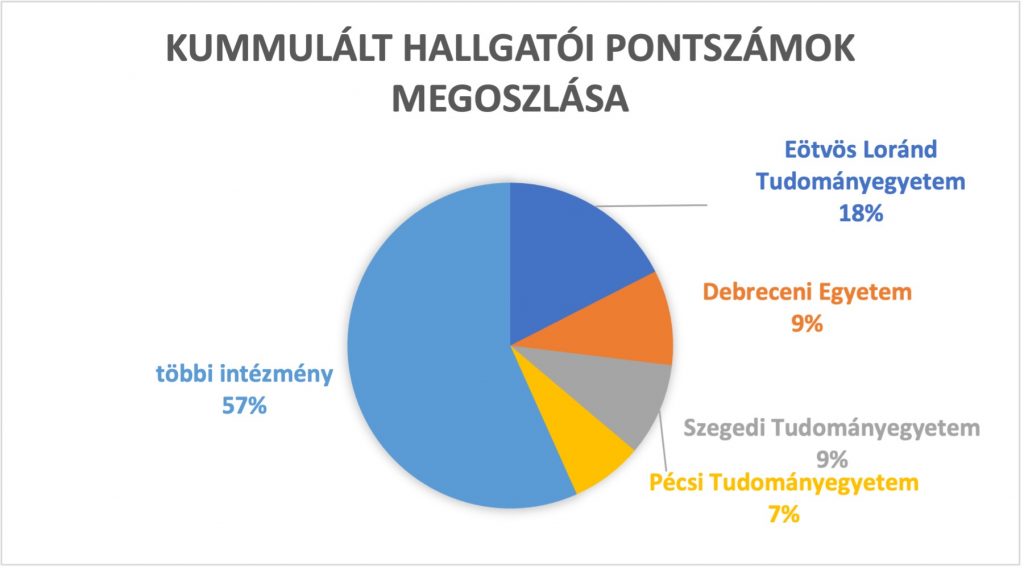
Tehát a hallgatói tudásbázis koncentrálódását tapasztalhatjuk: az említett első huszonöt szak (tehát az összes, legalább öt főt felvett 868 szak alig 3%-a) szolgáltatja a teljes elért pontszámtömeg közel negyedét! Az ELTE és a nagy hagyományú három vidéki tudományegyetem (Debrecen, Pécs, Szeged) felvettjei pedig bő 43%-át teszik ki a teljes pontszám-mennyiségnek. Ha melléjük még odavesszük a BME és Semmelweis adatait, akkor ezen nyolc intézmény szolgáltatja a pontszámtömeg közel kétharmadát. A területi koncentráció alig marad el ettől: a fővárosi intézményekbe felvettek ponttömeg-aránya közel 60%.
 Dr. habil György Fábri (1964) is an habilitated associate professor (Institute of research on Adult Education and Knowledge Management, Faculty of Education and Psychology of Eötvös Loránd University), head of the Social Communication Research Group. Areas of research: university philosophy, sociology of higher education and science, science communication, social communication, church sociology. His monograph was published on the transformation of Hungarian higher education during the change of regime (1992 Wien) and on university rankings (2017 Budapest). He has edited several scientific journals, and his university courses and publications cover communication theory, university philosophy, science communication, social representation, media and social philosophy, ethics, and church sociology.
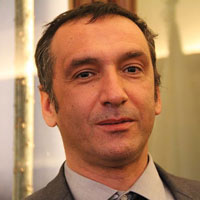 Mr. Degli Esposti is Full Professor at the Department of Computer Science and Engineering, Deputy Rector Alma Mater Studiorum Università di Bologna, Dean of Biblioteca Universitaria di Bologna, Head of Service for the health and safety of people in the workplace, President of the Alma Mater Foundation and Delegate for Rankings.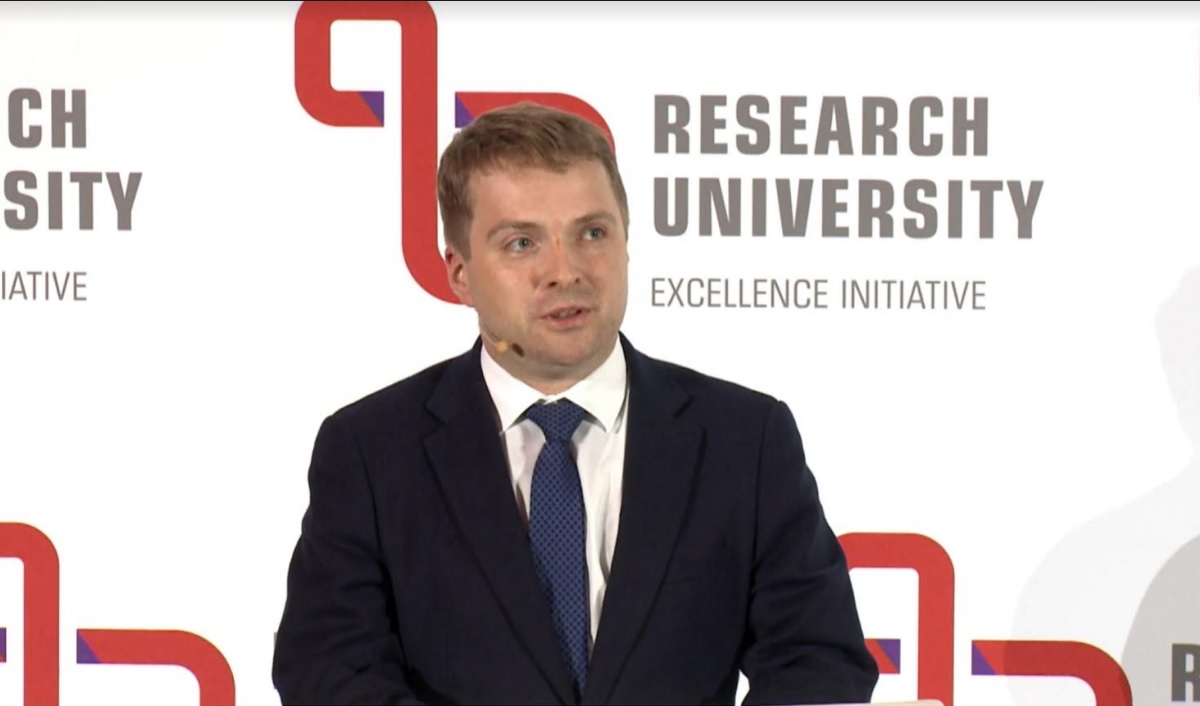
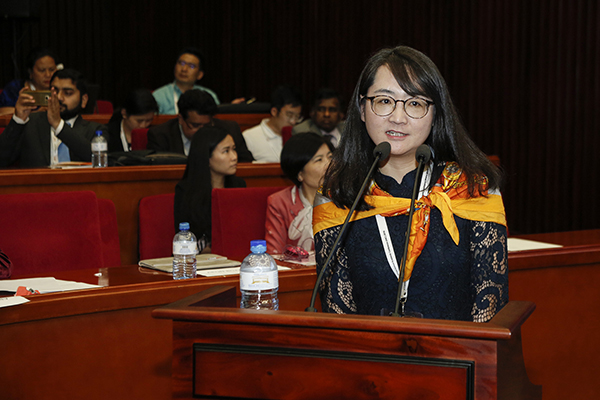
 Ben joined QS in 2002 and has led institutional performance insights function of QS since its emergence following the early success of the QS World University Rankings®. His team is, today, responsible for the operational management of all major QS research projects including the QS World University Rankings® and variants by region and subject. Comprising over 60 people in five international locations, the team also operate a widely adopted university rating system – QS Stars – and a range of commissioned business intelligence and strategic advisory services.Ben has travelled to over 50 countries and spoken on his research in almost 40. He has personally visited over 50 of the world’s top 100 universities amongst countless others and is a regular and sought after speaker on the conference circuit.Ben is married and has two sons; if he had any free time it would be spent reading, watching movies and skiing.
 Anna Urbanovics is a PhD student at Doctoral School of Public Administration Sciences of the University of Public Service, and studies Sociology Master of Arts at the Corvinus University of Budapest. She is graduated in International Security Studies Master of Arts at the University of Public Service. She does research in Scientometrics and International Relations.

 Dr. Mircea Dumitru is a Professor of Philosophy at the University of Bucharest (since 2004). Rector of the University of Bucharest (since 2011). President of the European Society of Analytic Philosophy (2011 – 2014). Corresponding Fellow of the Romanian Academy (since 2014). Minister of Education and Scientific Research (July 2016 – January 2017). Visiting Professor at Beijing Normal University (2017 – 2022). President of the International Institute of Philosophy (2017 – 2020). President of Balkan Universities Association (2019 – 2020). He holds a PhD in Philosophy at Tulane University, New Orleans, USA (1998) with a topic in modal logic and philosophy of mathematics, and another PhD in Philosophy at the University of Bucharest (1998) with a topic in philosophy of language. Invited Professor at Tulsa University (USA), CUNY (USA), NYU (USA), Lyon 3, ENS Lyon, University of Helsinki, CUPL (Beijing, China), Pekin University (Beijing, China). Main area of research: philosophical logic, metaphysics, and philosophy of language. Main publications: Modality and Incompleteness (UMI, Ann Arbor, 1998); Modalitate si incompletitudine, (Paideia Publishing House, 2001, in Romanian; the book received the Mircea Florian Prize of the Romanian Academy); Logic and Philosophical Explorations (Humanitas, Bucharest, 2004, in Romanian); Words, Theories, and Things. Quine in Focus (ed.) (Pelican, 2009); Truth (ed.) (Bucharest University Publishing House, 2013); article on the Philosophy of Kit Fine, in The Cambridge Dictionary of Philosophy, the Third Edition, Robert Audi (ed.) (Cambridge University Press, 2015), Metaphysics, Meaning, and Modality. Themes from Kit Fine (ed.) (Oxford University Press, forthcoming).
 Since 1 February 2019 Minister Palkovics as Government Commissioner has been responsible for the coordination of the tasks prescribed in Act XXIV of 2016 on the promulgation of the Agreement between the Government of Hungary and the Government of the People’s Republic of China on the development, implementation and financing of the Hungarian section of the Budapest-Belgrade Railway Reconstruction Project.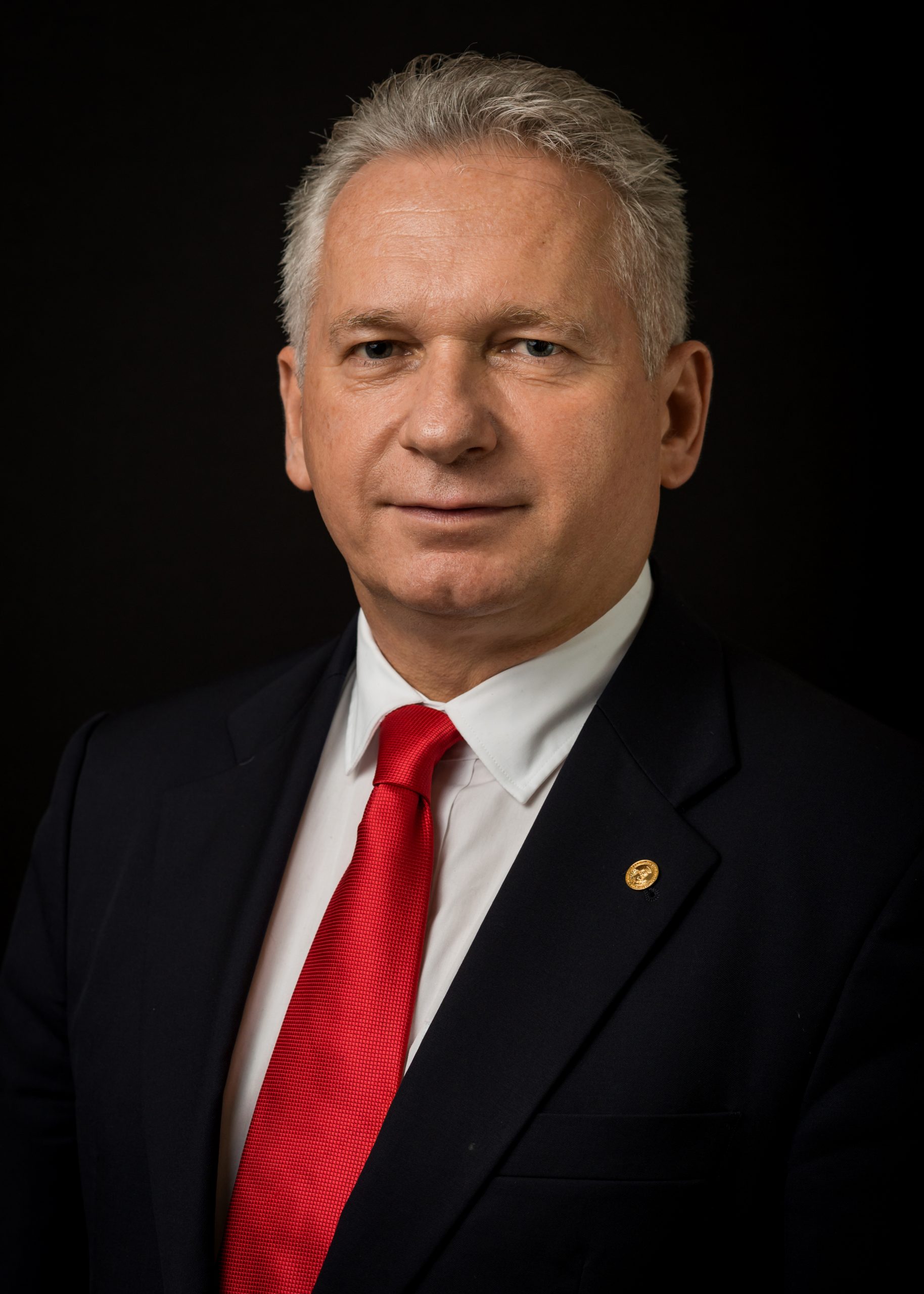
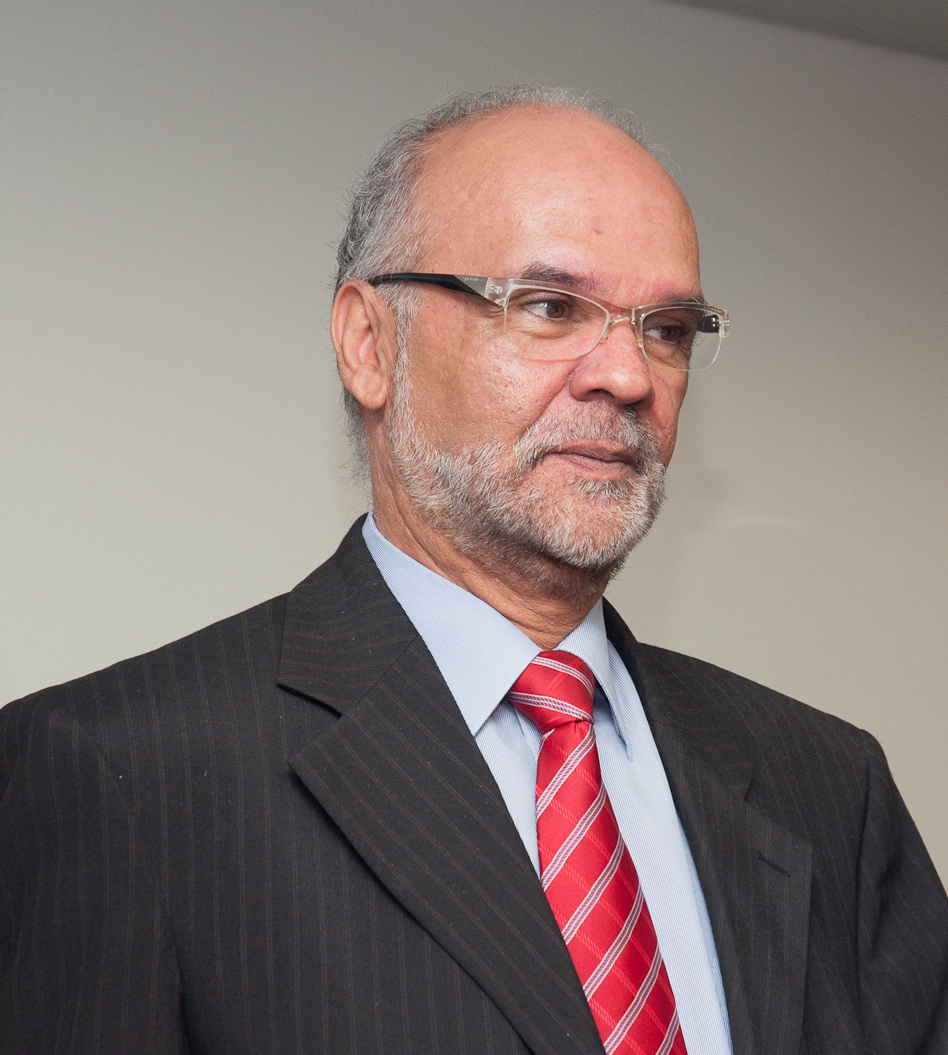
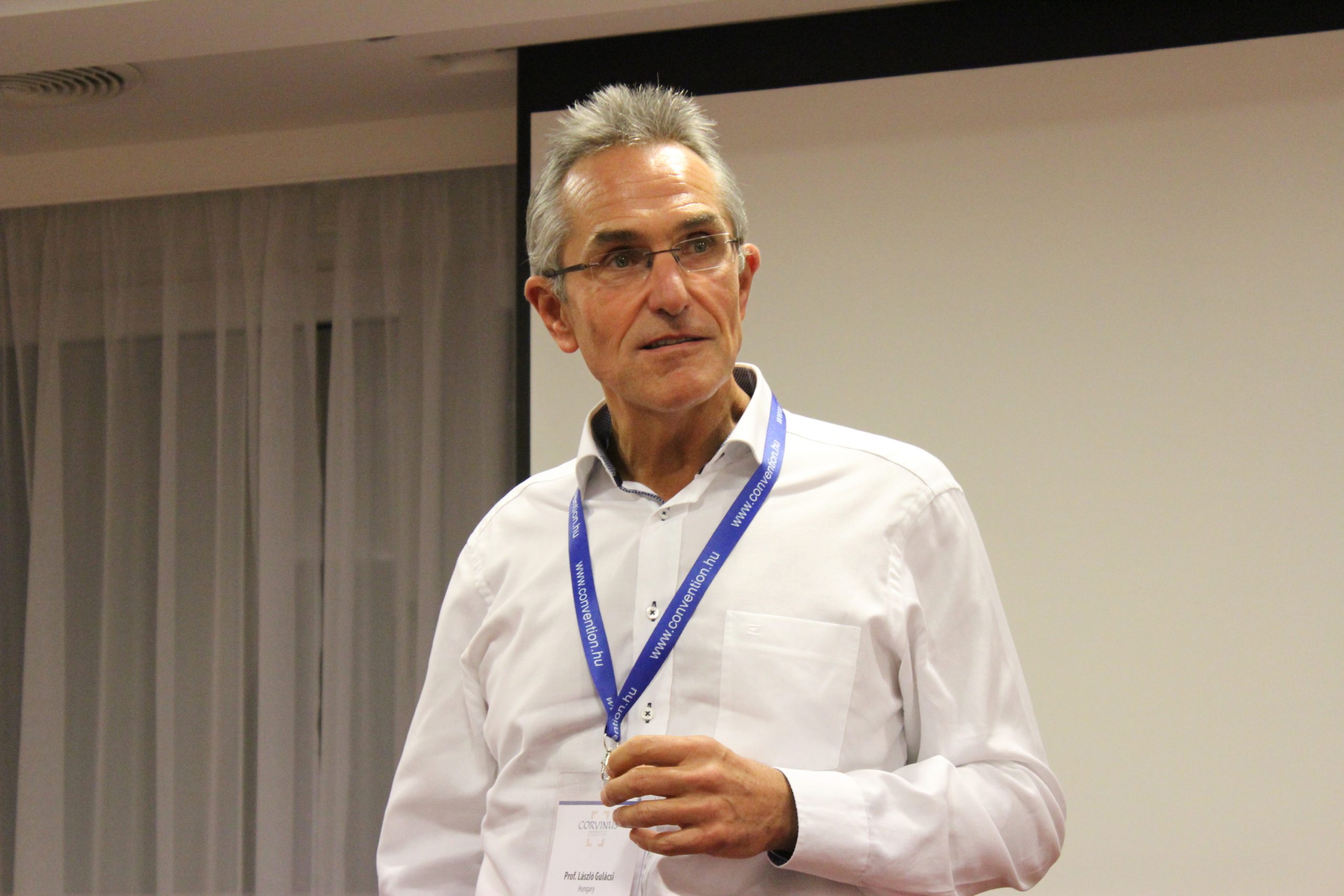 He is the past President of the Health and Health Care Economics Section of the Hungarian Economics Association.

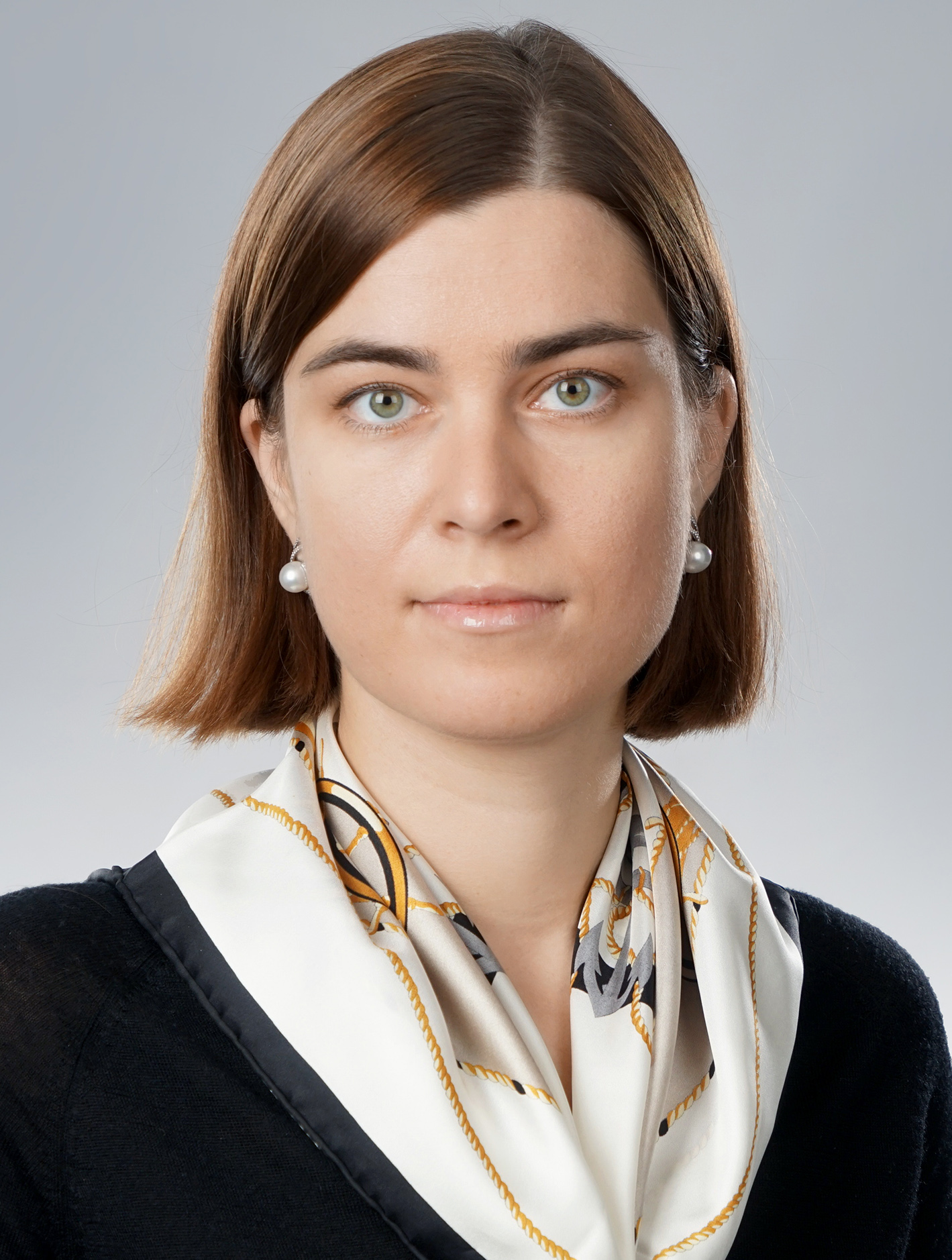
 Based in Berlin, Zuzanna Gorenstein is Head of Project of the German Rectors’ Conference (HRK) service project “International University Rankings” since 2019. Her work at HRK encompasses the conceptual development and implementation of targeted advisory, networking, and communication measures for German universities’ ranking officers. Before joining the HRK, Zuzanna Gorenstein herself served as ranking officer of Freie Universität Berlin.
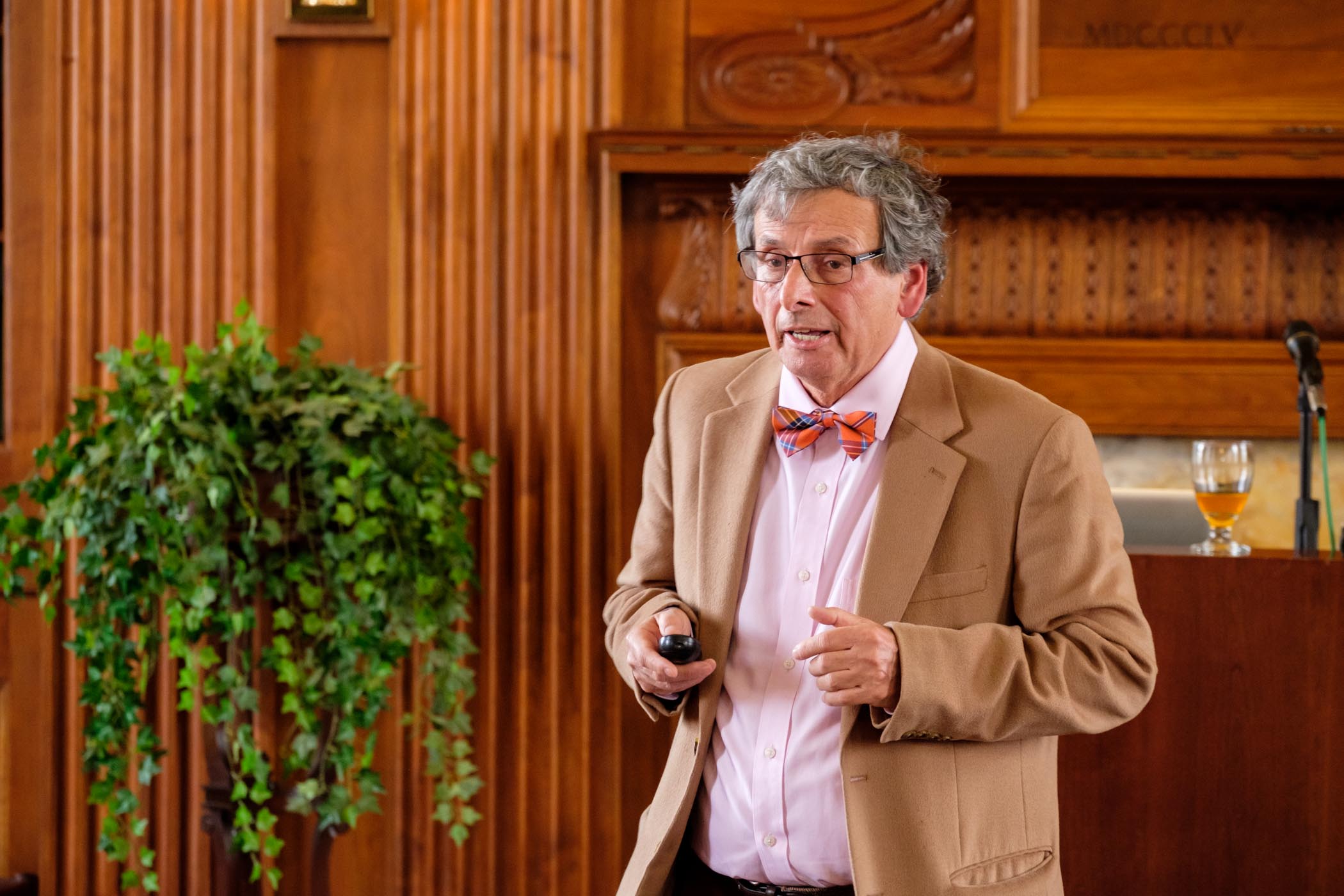 His books on mathematical modeling of chemical, biological, and other complex systems have been published by Princeton University Press, MIT Press, Springer Publishing house. His new book RANKING: The Unwritten Rules of the Social Game We All Play was published recently by the Oxford University Press, and is already under translation for several languages.