Romló kelet-európai és magyar egyetemi pozíciók – a nemzetközi felsőoktatási versenyben a posztszovjet kelet-európai országok számára nem kínálnak érdemben jobb pozíció-kilátásokat, ahogyan a „második ligás” összehasonlítások sem.
A THE évekkel ezelőtt úgy döntött, nem csak frusztrálni akarka a világ többi részét az angolszász és nyugat-európai országok által uralt rangsoraival, ezért indított egy „Emerging Economics” rankinget a fejlődő gazdaságú országokat rangsorolja. A THE World University Ranking indikátorokat használja, ugyanakkor néhol eltérő súlyokat rendel az egyes indikátorokhoz. Ebben a rangsorban a tanulási környezet és kutatás egyaránt 30%-os súllyal vesz részt a rangsorolásban, a publikáció ugyanakkor már csak 20% (szemben a teljes rangsor 30%-os súlyával), a nemzetközi teljesítmény, illetve a tudás alkalmazhatósága pedig 10-10%-os súllyal szerepelnek (szemben a 7,5%-os és 2,5%-os súlyokkal).
| Indikátorok | World University Ranking | Emerging Economies | |
| Tanulási környezet | Tudományos Reputációs Felmérés | 15,00% | 15,00% |
| PhD kitüntetések : összes teljes állású oktató aránya | 6,00% | 6,00% | |
| Teljes állású oktatók : diákok aránya | 4,50% | 4,50% | |
| egy akadémikusra eső jövedelem | 2,25% | 2,25% | |
| Phd kitüntetések : BA kitüntetések aránya | 2,25% | 2,25% | |
| Publikáció | normalizált hivatkozási hatások | 30,00% | 20,00% |
| Kutatás | reputációs kérdőív kutatás | 18,00% | 18,00% |
| kutatási bevétel (súlyozott) | 6,00% | 6,00% | |
| akadémiai folyóiratokban publikált cikkek száma | 6,00% | 6,00% | |
| Nemetközi teljesítmény | Nemzetközi : hazai teljes állású oktatók aránya | 2,50% | 3,33% |
| Nemzetközi : hazai diákok aránya | 2,50% | 3,33% | |
| Publikálások nemzetközi szerzőtárssal | 2,50% | 3,34% | |
| Tudás alkalmazhatósága | iparági jövedelem | 2,50% | 10,00% |
Eleinte a legjobb 100 intézményről készült rangsor, majd 200 és 300-ra emelkedett a rangsorolt intézmények száma, idén pedig már több mint 350 intézmény rangsorpozícióját közölték.
A ranking első része a következőképpen alakult:
| Rank | University | Overall | Citation | Industry income | International outlook | Research | Teaching |
| 1 | Peking University, China | 80,5 | 74,2 | 100 | 52,8 | 85,1 | 83 |
| 2 | Tsinghua University, China | 80,4 | 71,4 | 99,8 | 40,8 | 93,2 | 80,2 |
| 3 | Lomonosov Moscow State University, Russian Federation | 58,9 | 15,8 | 89 | 60,8 | 61,6 | 74,2 |
| 4 | Fudan University, China | 57,3 | 65,1 | 53 | 38,6 | 57,5 | 59,5 |
| 5 | University of Science and Technology of China, China | 56,9 | 76,9 | 81,7 | 27,8 | 49,1 | 52,7 |
| 6 | Zhejiang University, China | 56,7 | 45,1 | 89,4 | 25,1 | 63,7 | 57 |
| 7 | Shanghai Jiao Tong University, China | 55,8 | 44,1 | 88,9 | 33,3 | 62,5 | 53,5 |
| 8 | Nanjing University, China | 55,2 | 64,9 | 77,8 | 54 | 47 | 49,6 |
| 9 | University of Cape Town, South Africa | 54,4 | 87 | 88,5 | 81,2 | 36,2 | 30,5 |
| 10 | National Taiwan University, Taiwan | 52 | 53,4 | 65 | 33,3 | 54,7 | 50,4 |
| 11 | Moscow Institute of Physics and Technology, Russian Federation | 51,9 | 50 | 99,9 | 51,7 | 41,4 | 47,7 |
| 12 | University of the Witwatersrand, South Africa | 47,2 | 76,5 | 99,9 | 70 | 23,2 | 26,6 |
| 13 | Indian Institute of Science, India | 46,5 | 44,4 | 49,5 | 19,5 | 48,6 | 53,8 |
| 14 | University of São Paulo, Brazil | 45,7 | 31,5 | 38,1 | 30,9 | 55,5 | 52,9 |
| 15 | Khalifa University of Science and Technology, United Arab Emirates | 45,1 | 71,4 | 84,5 | 97,9 | 18,7 | 23,4 |
| 16 | Koç University, Turkey | 44,2 | 65,2 | 84,3 | 53,9 | 32,1 | 25,7 |
| 17 | Wuhan University, China | 43,8 | 37,5 | 89,9 | 37,4 | 33,7 | 44,9 |
| 18 | Sabancı University, Turkey | 43,4 | 62,1 | 87,8 | 46,8 | 35,2 | 23,2 |
| 19 | National Research Nuclear University MEPhI, Russia Federation | 43 | 53,1 | 99,7 | 49,3 | 25,5 | 32,6 |
| 20 | National Tsing Hua University, Taiwan | 42,8 | 59,4 | 54,8 | 29 | 37,1 | 38 |
| 21 | Tomsk Polytechnic University, Russian Federation | 42,3 | 81,5 | 69,7 | 50,5 | 17,7 | 29 |
| 22 | National Taiwan University of Science and Technology (Taiwan Tech), Taiwan | 42,1 | 39,9 | 85,1 | 35,8 | 43,1 | 30,4 |
| 22 | Tongji University, China | 42,1 | 25,4 | 99,4 | 47,1 | 38,2 | 36,5 |
| 24 | National Chiao Tung University, Taiwan | 41,5 | 31,5 | 89 | 35,6 | 41,1 | 34,6 |
| 25 | Sun Yat-sen University, China | 41,3 | 55,9 | 52 | 32,6 | 32,3 | 39,9 |
| 26 | Indian Institute of Technology Bombay, India | 41,1 | 47,8 | 53,4 | 19,9 | 37,6 | 43,1 |
| 27 | University of Malaya, Malaysia | 40,9 | 54,4 | 49,5 | 77 | 26,6 | 31,2 |
| 28 | University of Tartu, Estonia | 40,1 | 83,6 | 33,5 | 50,8 | 25,3 | 24,5 |
| 29 | Harbin Institute of Technology, China | 39,2 | 31,4 | 99 | 31,4 | 31,9 | 34,4 |
| 30 | University of Cyprus, Cyprus | 38,9 | 63,1 | 48,1 | 76,9 | 25 | 20,8 |
| 31 | National Cheng Kung University (NCKU), Taiwan | 38,8 | 28,3 | 99,8 | 31,7 | 38,2 | 28,3 |
| 32 | Higher School of Economics, Russian Federation | 38,7 | 61,6 | 39,4 | 40,6 | 28,7 | 32,8 |
| 33 | State University of Campinas, Brazil | 38,6 | 31,7 | 45,5 | 27,1 | 40 | 43,5 |
| 34 | Tianjin University, China | 38,2 | 28,5 | 97,1 | 18,7 | 32,8 | 36,9 |
| 35 | Qatar University, Qatar | 38,1 | 60,7 | 46,1 | 99,8 | 18,3 | 19,8 |
| 36 | Tomsk State University, Russian Federation | 37,6 | 32,8 | 63,6 | 56,8 | 26,5 | 36,7 |
| 37 | Cyprus University of Technology, Cyprus | 37,5 | 88,6 | 33 | 70,2 | 13,8 | 17,8 |
| 38 | Stellenbosch University, South Africa | 37,3 | 60 | 7,3 | 52,9 | 36,1 | 28,3 |
| 39 | University of Crete, Greece | 37 | 85,9 | 37,4 | 47,6 | 17,6 | 20 |
| 40 | Southeast University, China | 36,9 | 33,2 | 92,7 | 21,6 | 32,9 | 29,7 |
| 41 | University of KwaZulu-Natal, South Africa | 36,8 | 49,8 | 41,2 | 59,5 | 30,8 | 25 |
| 41 | National Taiwan Normal University, Taiwan | 36,8 | 25,3 | 82,9 | 47,6 | 33,5 | 28,8 |
| 43 | Novosibirsk State University, Russian Federation | 36,6 | 34,7 | 37,9 | 41,2 | 29,5 | 42,9 |
| 44 | Saint Petersburg State University, Russian Federation | 36,5 | 31,5 | 33,1 | 37,4 | 29,8 | 47,3 |
| 45 | Bilkent University, Turkey | 36,3 | 67,1 | 42,8 | 55,7 | 20,3 | 23,3 |
| 45 | Huazhong University of Science and Technology, China | 36,3 | 50,3 | 63,9 | 22,4 | 27,5 | 31,2 |
| 45 | Indian Institute of Technology Kharagpur, India | 36,3 | 43,3 | 73,7 | 16,7 | 29,5 | 32,6 |
| 48 | Charles University in Prague, Czech Republic | 35,3 | 56,3 | 32,1 | 55,7 | 22 | 29 |
| 49 | Indian Institute of Technology Kanpur, India | 35,2 | 38,5 | 92,7 | 19,5 | 21,7 | 32,6 |
| 50 | United Arab Emirates University, United Arab Emirates | 35,1 | 49,1 | 38,4 | 95,1 | 16,9 | 22,9 |
Látható, hogy a kínai és orosz egyetemek uralják ezt a listát, ami a gazdasági potenciálok mellett a két országban zajló, intenzív akadémiai fejlesztésekkel is közvetlenül összefügg. Az általános tendenciát a THE által felkért szakértők is elemezték, aminek néhány megállapítása jelzi a változások irányát:
Az orosz Tomski Műszaki Egyetem az elmúlt évben az 56. helyről a 21-re került. Ennek okai többek között, hogy az egyetem kutatásait áthelyezték olyan területekre, ahol már volt korábbi tapasztalatuk, az oktatókat, akik rangos újságokban jelentetnek meg cikkeket, anyagilag megjutalmazzák, és vezető nemzetközi kutatóközpontok tudósaival működnek együtt. Az egyetem 2013 óta részt vesz Oroszország Project 5-100 nevű projektjében, amely célja, hogy 2020-ra 5 orosz egyetem legyen a rankingek top 100 listáján.
A kínai egyetemek közül 63 található meg a listán. A rangsor első 50 intézménye között 14 kínai van. Ezek pozíciója 2017 óta stabilan tartja a helyét vagy javult. Az ennél alacsonyabb pozícióban levő egyetemek közült viszont 20 esett hátrébb. A kínai kormány 2015-ben indította el a Double World-Class Project nevű programját, mely konkrét egyetemeket támogat abban, hogy a világ legjobbjai közé kerüljenek. Ez a tendencia várhatóan erősíteni fogja a tanulmányi egyenlőtlenséget és anyagi szempontból különböző osztályokat fog létrehozni a diákok között. A kínai diákok már panaszkodnak is az oktatás színvonalának romlására, mivel az egyetemek sokkal nagyobb jelentőséget tulajdonítanak a kutatásnak és a tudásközvetítéshez köthető kezdeményezésnek.
A THE háttéranyagai a feltörekvő országok általános gazdasági-demográfiai adottságainak összefüggéseiben is áttekintik az egyetemek pozícióit.
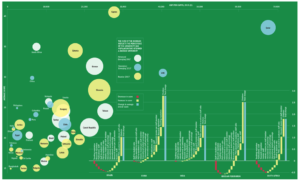
Forrás: THE
Bár az Emerging Economies rangsorban szereplő országok mindegyikében gyorsan fejlődik a felsőoktatás, Kína látványosan megelőzi a többieket. A grafikonon szereplő kék oszlopok az egyes országok a rangsorokon átlagosan elért pontszámát jelzik. Látszik, hogy a 13 mérőszám változásai hogyan járultak hozzá a helyezésekhez.
Kína egyetemei 7 helyet foglalnak el az első 10-ből. Az átlagpontszám majdnem hárommal növekedett, miután a publikáció indikátora jelentősen javult. Ez az egyetemek reputációját is javítja, s a nemzetközi mérőszámok is javulnak.
A rangsorlistára sok egyetemmel felkerülő országok közül egyedül Oroszország vetekedhet Kínával, aminek oka szintén a publikációs indikátorok erősödésében keresendő, de ehhez hozzájárul a kutatási produktivitás, a nemzetköziesedés és a megnövekedett források.
A hazai egyetemek közül a Semmelweis Egyetemnek sikerült javítania a rangsorhelyezésében, így a tavalyi 65. helyett idén a 61. helyen végzett, és idén is a legjobb hazai intézményként került fel a listára. A Budapesti Corvinus Egyetem a korábbi években nem jelent meg a rangsorban, idén a hazai intézmények közül az utolsó, 251-300. helyen van. A többi hazai intézmény pozíciója romlott, a Pécsi Tudományegyetem 5 helyezéssel hátrébb került (a tavalyi jelentősebb, 15 helyet javító eredménye után), az ELTE 8 pozíciót veszített, a Szegedi Tudományegyetem 27 hellyel csúszott hátrébb, a BME pedig 46 hellyel. Az egyes évek eredményeit figyelembe véve a Semmelweis Egyetem pozíciója tűnik a legstabilabbnak ebben a rangsorban, a legnagyobb visszaesést a Debreceni Egyetem mutatja.
| University | Country | 2014 | 2015 | 2016 | 2017 | 2018 |
| Semmelweis University | Hungary | 60 | 55 | 64 | 65 | 61 |
| University of Pécs | Hungary | 137 | 122 | 127 | ||
| Eotvos Lorand University | Hungary | 112 | 123 | 131 | ||
| University of Szeged | Hungary | 93 | 136 | 129 | 156 | |
| Budapest University of Technology and Economics | Hungary | 149 | 154 | 200 | ||
| University of Debrecen | Hungary | 60 | 67 | 150 | 201-250 | 201-250 |
| Corvinus University of Budapest | Hungary | 251-300 |
Hazai intézmények pozíciói a THE Emerging Economics 2018 rangsor alapján
A pozícióvesztés ugyanakkor nem magyar sajátosság: a kelet-európai országok egyetemeinek döntő része hasonlóan hátrébb került a listán. A leginkább versenytársnak tekintett lengyel Jagelló Egyetem, a prágai Károly Egyetem, a Bukaresti, Szófiai illetve Zágrábi Egyetem még nagyobb mértékben került hátrébb, mint az ELTE. Különösen feltűnő a Belégrádi egyetem eltűnése a listáról, hiszen ez az intézmény az ARWU-n látványos an előbbr ekerült az elmúlt fél évtizedben. Javítani a Masaryk és a Ljubljanai Egyetem tudott és érdekes Split egyetemének listára kerülése, rögtön a 107. helyre.
| University | Country | THE BRICS&Emerging | ||||
| 2014 | 2015 | 2016 | 2017 | 2018 | ||
| Sofia University | Bulgaria | x | x | x | 201-250 | 301-350 |
| University of Split | Croatia | x | x | x | x | 107 |
| University of Zagreb | Croatia | x | x | x | 196 | 201-250 |
| Brno University of Technology | Czech Republic | x | x | 73 | 152 | 188 |
| Charles University | Czech Republic | 31 | 31 | 44 | 39 | 48 |
| Czech University of Life Sciences Prague | Czech Republic | x | x | x | 175 | 184 |
| Czeh Technical University in Prague | Czech Republic | x | x | 110 | 96 | 145 |
| Masaryk University | Czech Republic | x | x | 83 | 96 | 83 |
| Mendel University Brno | Czech Republic | x | x | x | 201-250 | x |
| Palacky University | Czech Republic | x | x | 92 | 109 | 123 |
| Technical University of Liberec | Czech Republic | x | x | x | x | 301-350 |
| Tomas Bata University in Zlín | Czech Republic | x | x | x | 201-250 | 251-300 |
| University of Chemistry and Technology, Prague | Czech Republic | x | x | 127 | 152 | 165 |
| University of Ostrava | Czech Republic | x | x | x | x | 201-250 |
| University of Pardubice | Czech Republic | x | x | 165 | 201-251 | 251-300 |
| University of South Bohemia České Budějovice | Czech Republic | x | x | 39 | 201-250 | x |
| University of West Bohemia | Czech Republic | x | x | x | 251-300 | 251-300 |
| VŠB – Technical University of Ostrava | Czech Republic | x | x | 114 | 109 | 251-300 |
| Adam Mickiewicz University | Poland | x | x | x | 200 | 201-250 |
| AGH University of Science and Technology | Poland | x | x | 150 | 200 | 201-250 |
| Gdańsk University of Technology | Poland | x | x | x | x | 251-300 |
| Jagellonian University | Poland | 41 | 58 | 107 | 112 | 143 |
| Lodz University of Technology | Poland | x | x | x | x | 301-350 |
| Nicolaus Copernicus University | Poland | x | x | 179 | 201-250 | 251-300 |
| University of Gdańsk | Poland | x | x | 141 | 201-250 | 301-350 |
| University of Lodz | Poland | x | x | 189 | 167 | 301-350 |
| University of Silesia in Katowice | Poland | x | x | 104 | 105 | 301-350 |
| University of Warsaw | Poland | 23 | 46 | 71 | 78 | 87 |
| University of Wroclaw | Poland | x | x | x | 251-300 | 201-250 |
| Warsaw University of Technology | Poland | x | x | x | 201-250 | 173 |
| Wroclaw University of Technology | Poland | x | x | x | 251-299 | x |
| Alexandru Ioan Cuza University | Romania | x | x | x | x | 251-300 |
| Babes-Bolyai University | Romania | x | x | 97 | 112 | 162 |
| Grigore T. Popa University of Medicine and Pharmacy | Romania | x | x | x | x | 251-300 |
| Universitatea de Vest dinn Timisoara | Romania | x | x | x | x | 201-250 |
| University of Bucharest | Romania | x | x | 146 | 251-300 | 251-300 |
| University of Beograd | Serbia | x | x | 150 | 196 | x |
| Comenius University | Slovakia | x | x | 135 | 151 | 179 |
| Slovak University of Technology Bratislava | Slovakia | x | x | x | x | 251-300 |
| Technical University of Košice | Slovakia | x | x | x | x | 201-250 |
| University of Ljubljana | Slovenia | x | x | 116 | 129 | 123 |
| University of Maribor | Slovenia | x | x | x | x | 113 |
A rangsorhelyezések mellett az egyes indikátorokra kapott értékek változását is érdemes szemügyre venni, melyből kiderül, hogy összességében csupán egy intézmény rontott a saját teljesítményéhez képest (a BME -1.3 ponttal rosszabb összesített pontszámot szerzett). A többi hazai intézmény javított a tavalyi eredményeihez képest, legnagyobb mértékben a Pécsi Tudományegyetem. Vélhetően a többi, rangsorban szereplő intézmény pontszámainak jelentősebb változása (javulása) okozta a rangsorban elért rosszabb pozíciót.
| University | Country | Citations (20%) | Industry income (10%) | Internatianol outlook (10%) | Research (30%) | Teaching (30%) | Összes változás | |
| Sofia University | Bulgaria | -0.5 | -0.7 | 1.5 | -2.2 | 0.8 | -1.1 | |
| University of Zagreb | Croatia | 3.2 | -3 | 3.3 | -0.5 | 0.6 | 3.6 | |
| Brno University of Technology | Czech Republic | -6.1 | 1,3 | 3.1 | 1.6 | 1.5 | 1.4 | |
| Charles University | Czech Republic | 1.7 | -0.3 | 1.1 | 0.6 | -1.5 | 1.6 | |
| Czech University of Life Sciences Prague (CULS) | Czech Republic | 3 | -0.8 | 1.4 | 0.7 | 2.9 | 7.2 | |
| Czeh Technical University in Prague | Czech Republic | -7.9 | 0.7 | 2.9 | -3.5 | 1,3 | -6.5 | |
| Masaryk University | Czech Republic | 8,5 | 0.2 | 2.1 | 4.6 | 1.4 | 16.8 | |
| Palacky University | Czech Republic | 4.2 | -0.4 | 2.5 | -0.4 | 0.3 | 6.2 | |
| Technical University of Liberec | Czech Republic | 1 | 1.4 | 2 | 0.6 | 0.7 | 5.7 | |
| Tomas Bata University in Zlín | Czech Republic | 0.8 | -0.9 | -12.6 | -0.7 | 2 | -11.4 | |
| University of Chemistry and Technology, Prague | Czech Republic | -2.5 | 0.2 | 0.7 | 6.6 | 0.7 | 5.7 | |
| University of Pardubice | Czech Republic | -2.3 | -0.4 | 0.4 | 1,3 | 2.8 | 1.8 | |
| University of West Bohemia | Czech Republic | -6.2 | -0.2 | 1.9 | 0.7 | 2.7 | -1.1 | |
| VŠB – Technical University of Ostrava | Czech Republic | -8 | -1.6 | 3.3 | 1.4 | 3 | -1.9 | |
| Adam Mickiewicz University | Poland | 2.4 | -0.4 | 2.6 | 1.2 | 1.1 | 6.9 | |
| AGH University of Science and Technology | Poland | -4.7 | -0.9 | 0.9 | 1,3 | 2.5 | -0.9 | |
| Gdańsk University of Technology | Poland | 0.3 | -0.2 | 1.5 | 0.3 | 1.8 | 3.7 | |
| Jagellonian University | Poland | -0.2 | -0.9 | -0.1 | -0.5 | -0.7 | -2.4 | |
| Nicolaus Copernicus University | Poland | 4.6 | -0.8 | 1.6 | 0.9 | 0.6 | 6.9 | |
| University of Lodz | Poland | -0.3 | -0.4 | 1.5 | 1.2 | 1.5 | 3.5 | |
| University of Silesia in Katowice | Poland | -2.3 | -0.3 | 1.2 | 0.1 | 1.4 | 0.1 | |
| University of Warsaw | Poland | 1.9 | -0.3 | 0.6 | 1.8 | 0.9 | 4.9 | |
| Warsaw University of Technology | Poland | -14.9 | -0.5 | 1.9 | -0.1 | 1.5 | -12.1 | |
| Alexandru Ioan Cuza University | Romania | 6 | -0.4 | -11.8 | -2.4 | 0.9 | -7.7 | |
| Babes-Bolyai University | Romania | 3 | -0.5 | 3.1 | -0.2 | -0.4 | 5 | |
| University of Bucharest | Romania | 7.7 | -0.4 | 14.3 | -0.9 | 0.4 | 21.1 | |
| Universitatea de Vest dinn Timisoara | Romania | -2,9 | -0.3 | 1 | -0.1 | 2 | -0.3 | |
| Comenius University | Slovakia | 1,3 | -0.6 | 1.4 | 0.2 | 0.7 | 3 | |
| Slovak University of Technology Bratislava | Slovakia | -2.3 | -0.2 | -1.3 | 3.7 | 1,3 | 1.2 | |
| University of Ljubljana | Slovenia | 8.5 | 0.2 | 3 | 1.4 | 1.7 | 14.8 | |
| University of Maribor | Slovenia | -2.2 | -0.4 | 1.4 | 2.2 | 2.9 | 3.9 |
A Semmelweis Egyetem javulása az indikátorok alapján a publikációs, valamint a nemzetközi teljesítmény javulásának köszönhető (50.2-ről 61.5 pontos publikációs indiktátorérték, 71.3 helyett 73.9 pontos nemzetközi indikátorérték), miközben a többi indikátor mentén nem romlott jelentősen a pontszámuk.
| University | Citations (20%) | Industry income (10%) | Internatianol outlook (10%) | Research (30%) | Teaching (30%) | Összes változás |
| Semmelweis University | 11.3 | -0.1 | 2.6 | -0.9 | -1.4 | 11.5 |
| University of Pécs | 6.2 | 8.7 | -0.4 | 1 | -0.6 | 14.9 |
| Eotvos Lorand University | 7.4 | -0.5 | 0.8 | 0.8 | 0.4 | 8.9 |
| University of Szeged | 4 | -0.7 | 1.2 | -0.2 | -0.2 | 4.1 |
| Budapest University of Technology and Economics | -3.2 | -0.5 | 1.3 | -0.8 | 1.9 | -1.3 |
| University of Debrecen | 4.1 | 3.3 | 1.5 | -0.9 | 1.3 | 9.3 |
| Corvinus University of Budapest | – | – | – | – | – |
Hazai intézmények eredményeinek változásai az egyes indikátorok mentén, 2017-2018
A két legnagyobb súllyal figyelembe vett indikátor, a kutatási teljesítmény és a tanulási környezet a tavalyihoz közel hasonló képet fest az egyes intézményekben. Ezeknél az indikátoroknál a legnagyobb eltérés a BME esetében látszik, mely intézmény 1.9 ponttal javított a tanulási környezetet mérő indikátor mentén (melyet a publikációs teljesítmény mentén látszó romlás ellensúlyozott, így az összesített változás negatív értékű lett). Az összes indikátort figyelembe véve a legnagyobb javulást a Semmelweis Egyetem mutatja a publikációs teljesítményben (11.3 pontos eltérés).
Összegezve, a lista bővítése és a kínai illetve orosz egyetemek látványos fejlesztése a kelet-európai, köztük a magyar egyetemek rangsorolásában egy újabb olyan tényező, ami szűkíti a sikeresség esélyét.
 Dr. habil György Fábri (1964) is an habilitated associate professor (Institute of research on Adult Education and Knowledge Management, Faculty of Education and Psychology of Eötvös Loránd University), head of the Social Communication Research Group. Areas of research: university philosophy, sociology of higher education and science, science communication, social communication, church sociology. His monograph was published on the transformation of Hungarian higher education during the change of regime (1992 Wien) and on university rankings (2017 Budapest). He has edited several scientific journals, and his university courses and publications cover communication theory, university philosophy, science communication, social representation, media and social philosophy, ethics, and church sociology.
 Dr. Mircea Dumitru is a Professor of Philosophy at the University of Bucharest (since 2004). Rector of the University of Bucharest (since 2011). President of the European Society of Analytic Philosophy (2011 – 2014). Corresponding Fellow of the Romanian Academy (since 2014). Minister of Education and Scientific Research (July 2016 – January 2017). Visiting Professor at Beijing Normal University (2017 – 2022). President of the International Institute of Philosophy (2017 – 2020). President of Balkan Universities Association (2019 – 2020). He holds a PhD in Philosophy at Tulane University, New Orleans, USA (1998) with a topic in modal logic and philosophy of mathematics, and another PhD in Philosophy at the University of Bucharest (1998) with a topic in philosophy of language. Invited Professor at Tulsa University (USA), CUNY (USA), NYU (USA), Lyon 3, ENS Lyon, University of Helsinki, CUPL (Beijing, China), Pekin University (Beijing, China). Main area of research: philosophical logic, metaphysics, and philosophy of language. Main publications: Modality and Incompleteness (UMI, Ann Arbor, 1998); Modalitate si incompletitudine, (Paideia Publishing House, 2001, in Romanian; the book received the Mircea Florian Prize of the Romanian Academy); Logic and Philosophical Explorations (Humanitas, Bucharest, 2004, in Romanian); Words, Theories, and Things. Quine in Focus (ed.) (Pelican, 2009); Truth (ed.) (Bucharest University Publishing House, 2013); article on the Philosophy of Kit Fine, in The Cambridge Dictionary of Philosophy, the Third Edition, Robert Audi (ed.) (Cambridge University Press, 2015), Metaphysics, Meaning, and Modality. Themes from Kit Fine (ed.) (Oxford University Press, forthcoming).
 Mr. Degli Esposti is Full Professor at the Department of Computer Science and Engineering, Deputy Rector Alma Mater Studiorum Università di Bologna, Dean of Biblioteca Universitaria di Bologna, Head of Service for the health and safety of people in the workplace, President of the Alma Mater Foundation and Delegate for Rankings.
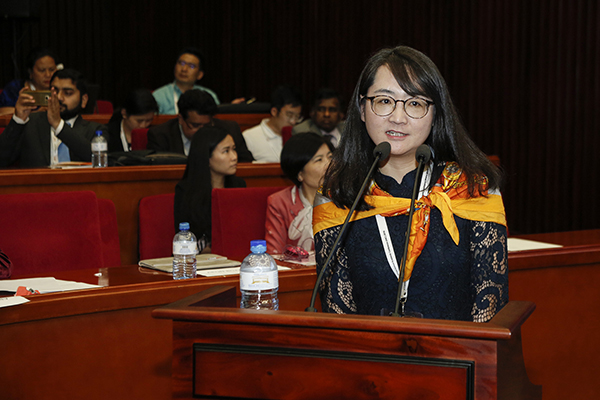
 Ben joined QS in 2002 and has led institutional performance insights function of QS since its emergence following the early success of the QS World University Rankings®. His team is, today, responsible for the operational management of all major QS research projects including the QS World University Rankings® and variants by region and subject. Comprising over 60 people in five international locations, the team also operate a widely adopted university rating system – QS Stars – and a range of commissioned business intelligence and strategic advisory services.Ben has travelled to over 50 countries and spoken on his research in almost 40. He has personally visited over 50 of the world’s top 100 universities amongst countless others and is a regular and sought after speaker on the conference circuit.Ben is married and has two sons; if he had any free time it would be spent reading, watching movies and skiing.
 Anna Urbanovics is a PhD student at Doctoral School of Public Administration Sciences of the University of Public Service, and studies Sociology Master of Arts at the Corvinus University of Budapest. She is graduated in International Security Studies Master of Arts at the University of Public Service. She does research in Scientometrics and International Relations.

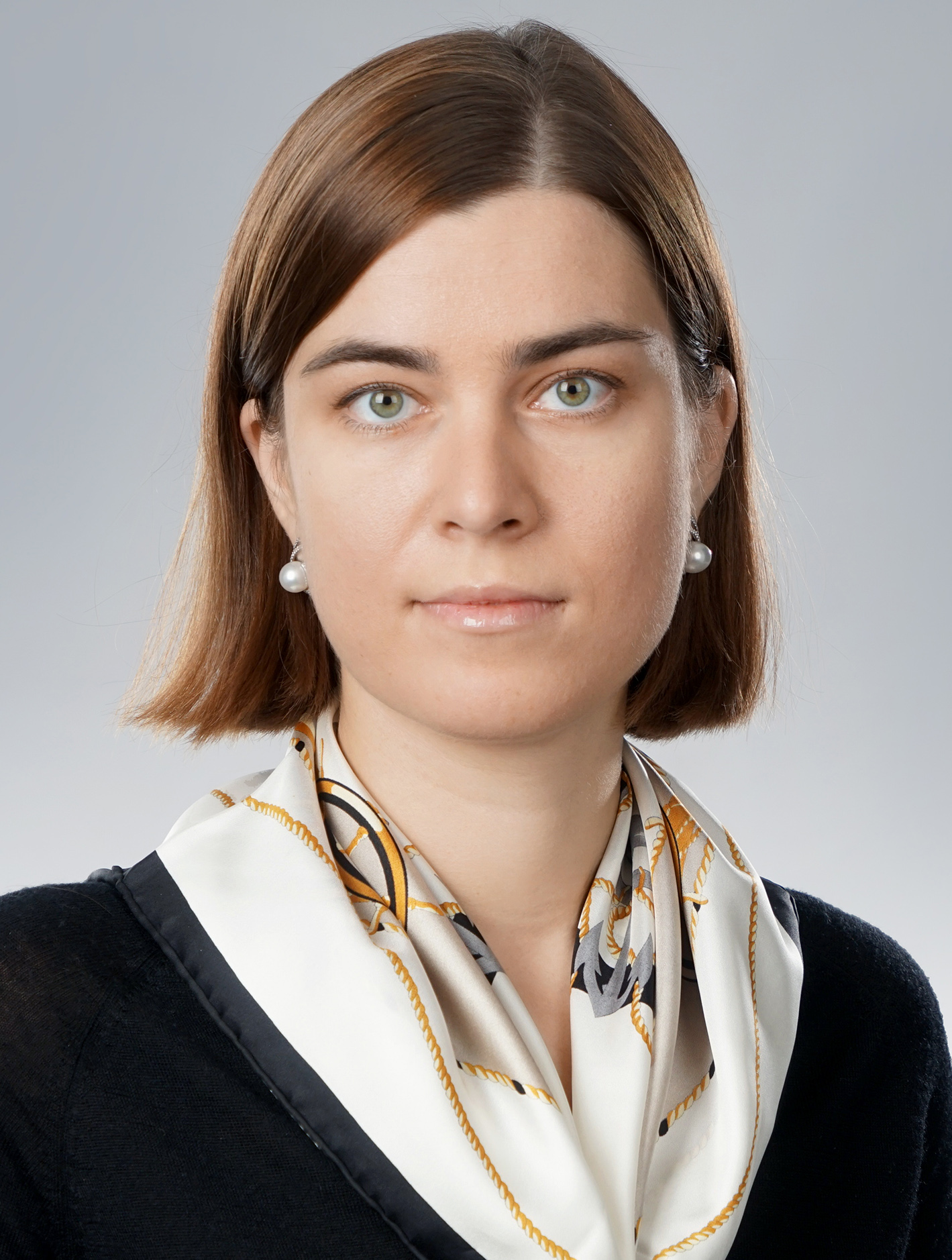
 Since 1 February 2019 Minister Palkovics as Government Commissioner has been responsible for the coordination of the tasks prescribed in Act XXIV of 2016 on the promulgation of the Agreement between the Government of Hungary and the Government of the People’s Republic of China on the development, implementation and financing of the Hungarian section of the Budapest-Belgrade Railway Reconstruction Project.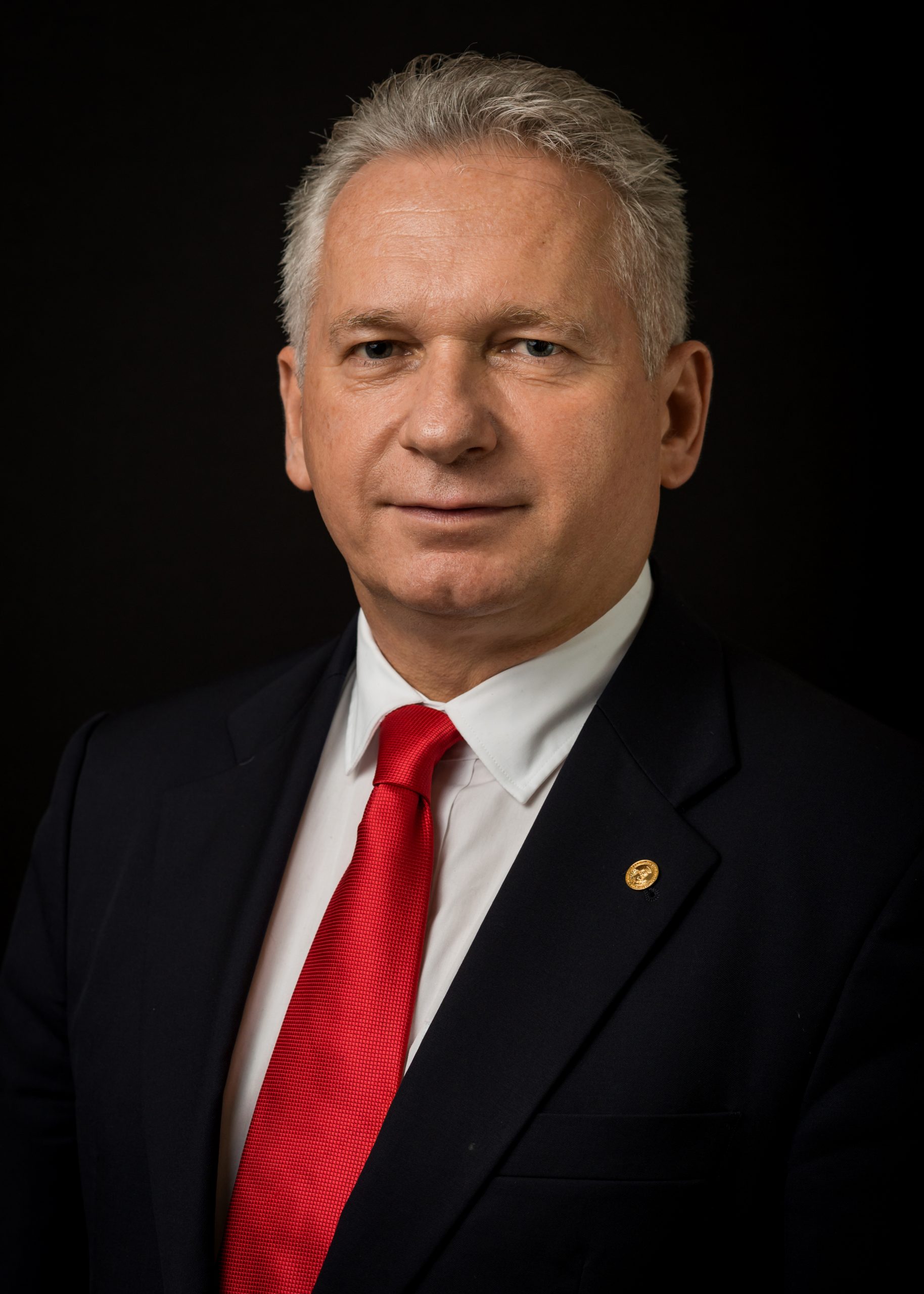
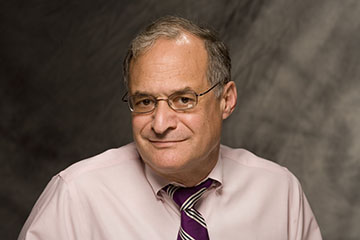
 He is the past President of the Health and Health Care Economics Section of the Hungarian Economics Association.

 Based in Berlin, Zuzanna Gorenstein is Head of Project of the German Rectors’ Conference (HRK) service project “International University Rankings” since 2019. Her work at HRK encompasses the conceptual development and implementation of targeted advisory, networking, and communication measures for German universities’ ranking officers. Before joining the HRK, Zuzanna Gorenstein herself served as ranking officer of Freie Universität Berlin.
 His books on mathematical modeling of chemical, biological, and other complex systems have been published by Princeton University Press, MIT Press, Springer Publishing house. His new book RANKING: The Unwritten Rules of the Social Game We All Play was published recently by the Oxford University Press, and is already under translation for several languages.