A QS 2024 megjelenése utáni gyorselemzésünkben bemutattuk a térség ranking-tendenciáit, benne a magyar egyetemek pozícióinak változásaival. Vázoltuk, hogy összességében a stagnálás vagy kisebb visszalépés jellemzi a régió intézményeit, amihez képest néhány pozitív irányú elmozdulást is láthatunk. A részletesebb elemzést nyilván nehezíti, hogy féltucatnyi egyetemet leszámítva a többiek (s egyben valamennyi magyar intézmény) a lista középső harmadában találhatóak, vagyis kisebb-nagyobb csoportba sorolva, ráadásul tavalyhoz képest a QS módosította a csoportok nagyságát, így az ezeken belüli elmozdulások végképp nehezen követhetők. Emiatt találkozhattunk néhány, meglehetősen bizonytalan alapon álló intézményi értékeléssel a rangsorpozíciókról.
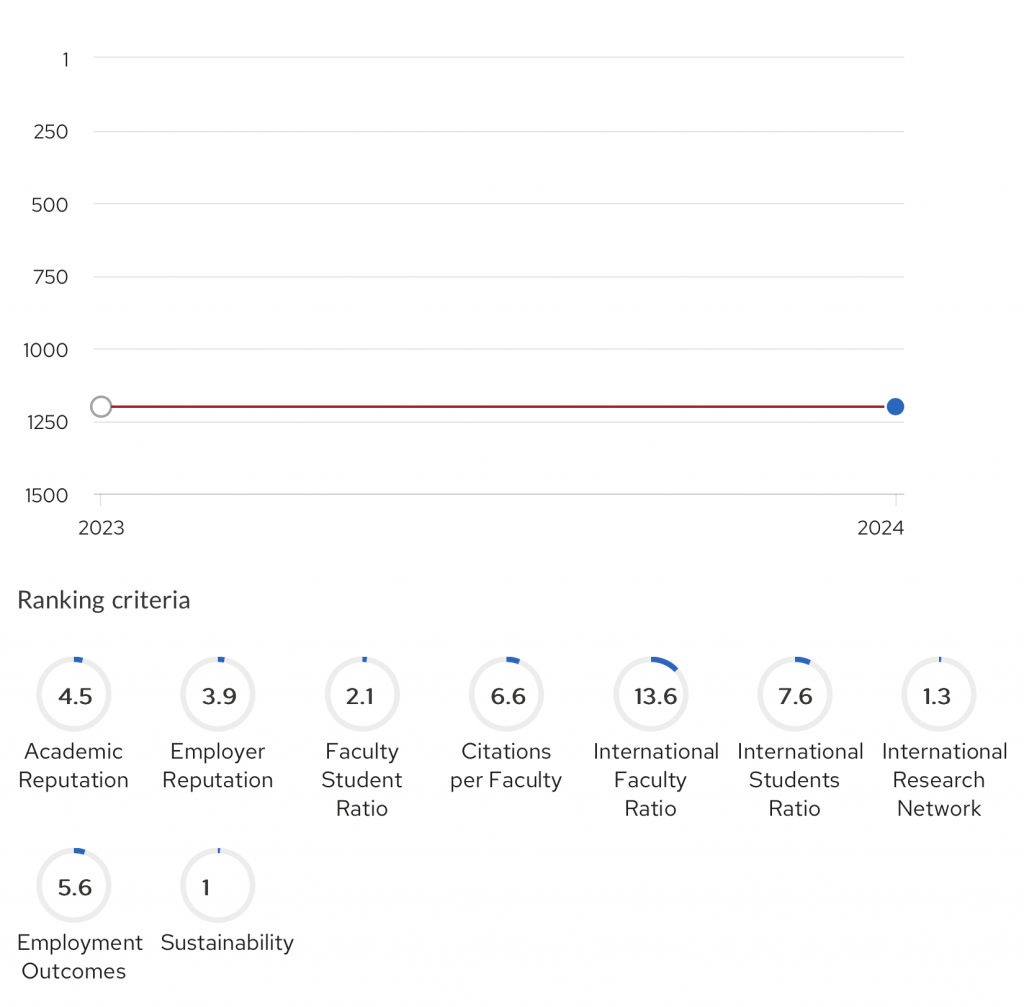
Mivel kutatócsoportunk elkötelezett a rankingek reális értékelése iránt, a kommunikációjuk valósághűségét is támogatnunk kell. Ehhez segítségül használhatjuk a QS intézményi értékeléseinek grafikonjait, amelyek listaértékeknél pontosabban jelzik az egyes egyetemek helyezéseinek idősoros alakulását. A lentebbiekben ezeket gyűjtöttük össze, forrás a QS honlapja.
Évek óta a Szegei Egyetem éri el a legjobb helyezést a QS listáján, idén sem volt ez másként. Míg a külföldi diákok arányát és az oktató-hallgató arányt kifejező indikátorának értéke hagyományosan jobb, a régió intézményei között is kiemelkedik a fenntarthatósági indikátora. Az idézettségi aránya és a munkaerőpiaci kimeneti mérőszámok a kevésbé erősek.
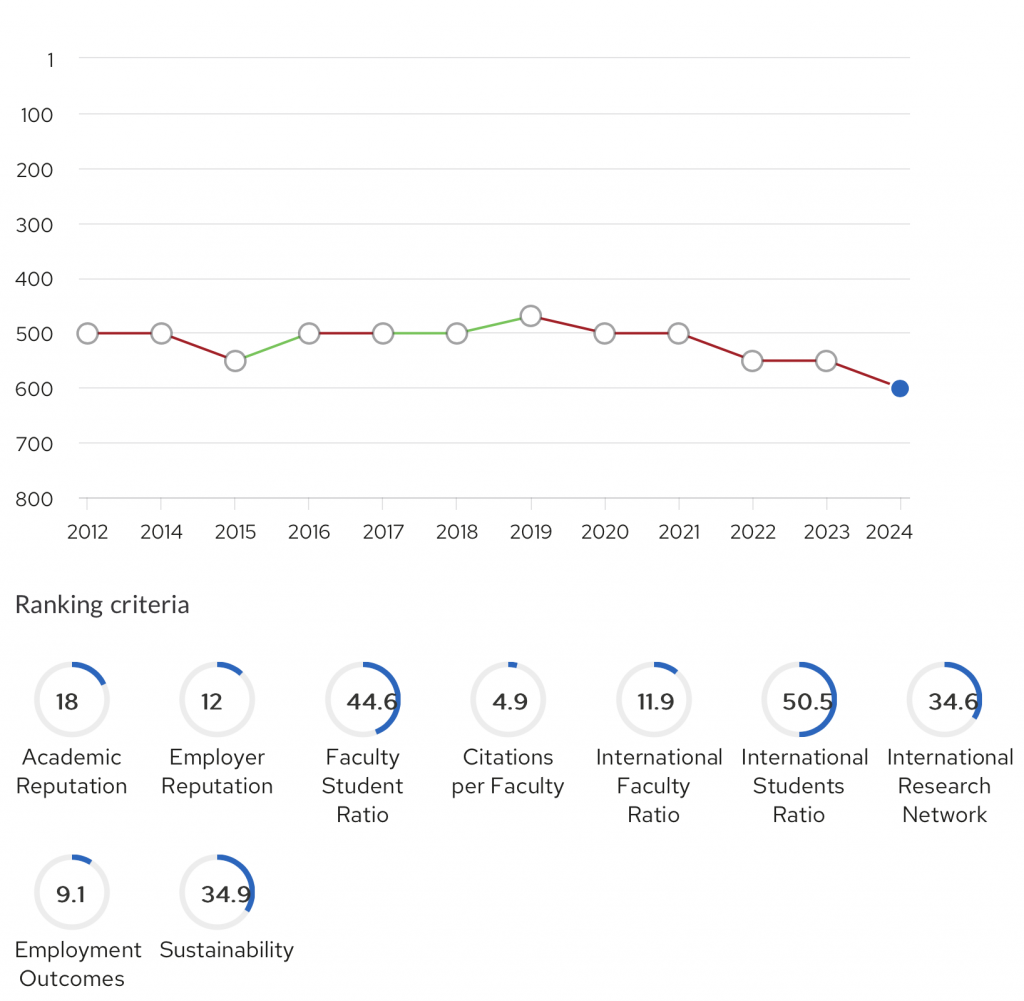
A Debreceni Egyetem 2021-ben érte el eddigi legjobb helyezését a QS-nél. Idén a külföldi diákok aránya és a nemzetközi kutatási hálózatokban való részvétele kapta a legjobb indikátor-értéket, míg az idézettségi aránya és az új, fenntarthatósági a legrosszabbat.
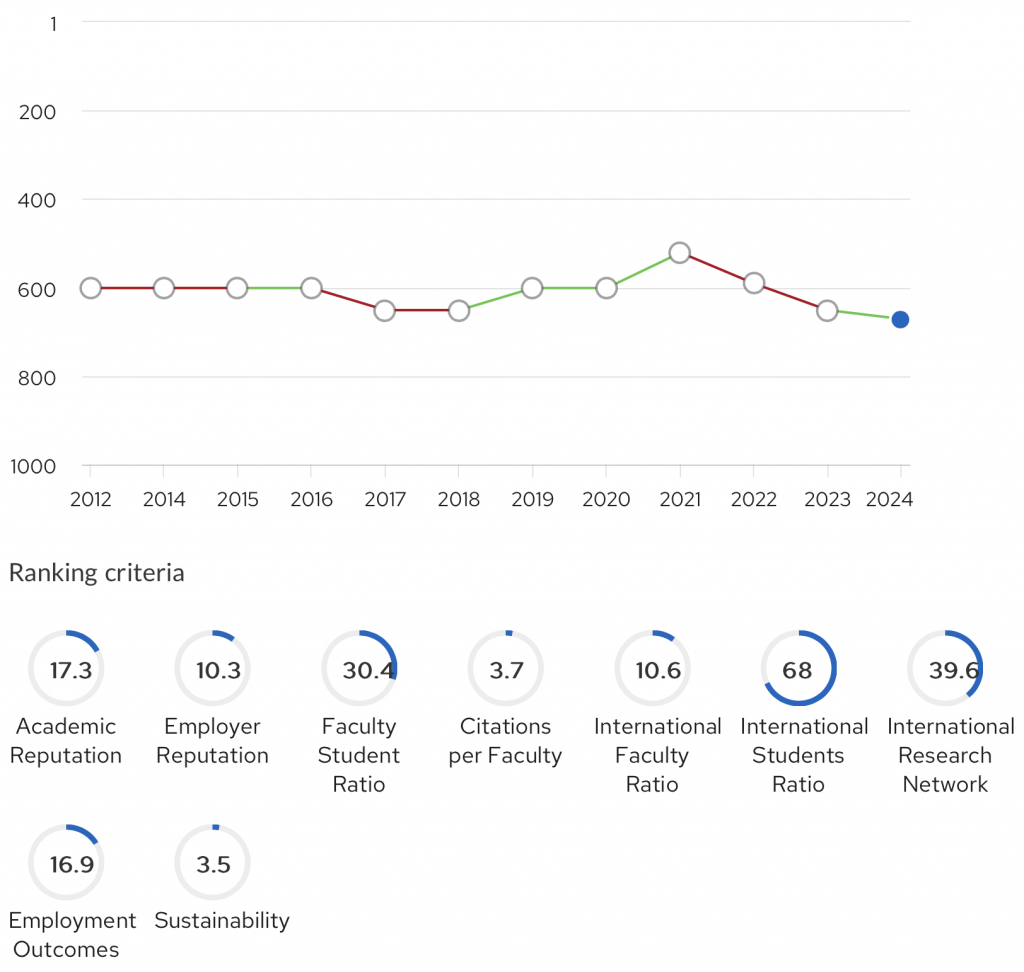
Az ELTE érte el a leginkább kiegyensúlyozott számokat az indikátorok között, miközben leginkább a nemzetközi kutatási hálózatokban való részvétele, a munkaerőpiaci kimenet és az akadémiai reputációja a magasabb. Viszont sokkal alacsonyabb a külföldi oktatók és diákok aránya, valamint az idézettségi aránya is.
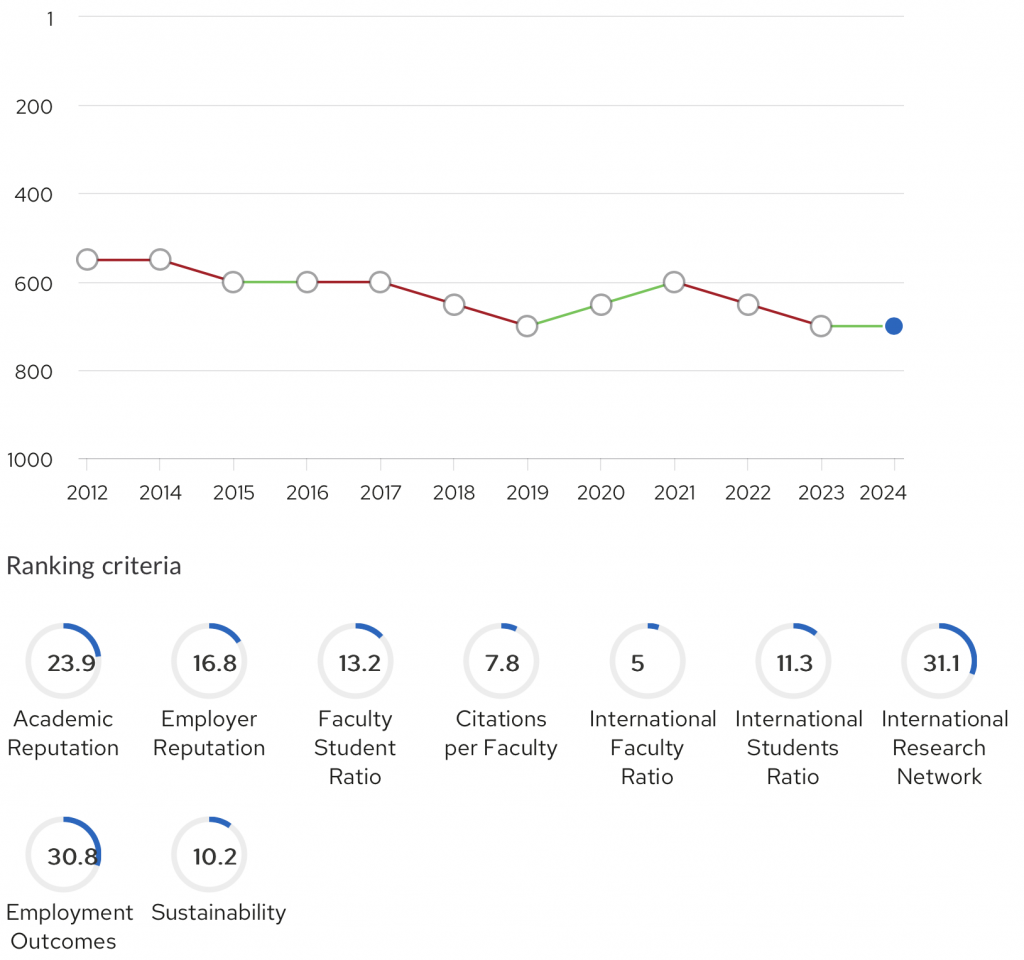
A Műegyetem az egyetlen magyar intézmény, amelynek javult a pozíciója tavalyhoz képest.A fenntarthatóság, a nemzetközi kutatási hálózatokban való részvétel és munkaerőpiaci kimenet és munkáltatói reputáció egyaránt magas, míg a külföldi oktatók jelenléteés az idézettség alacsonyabb.
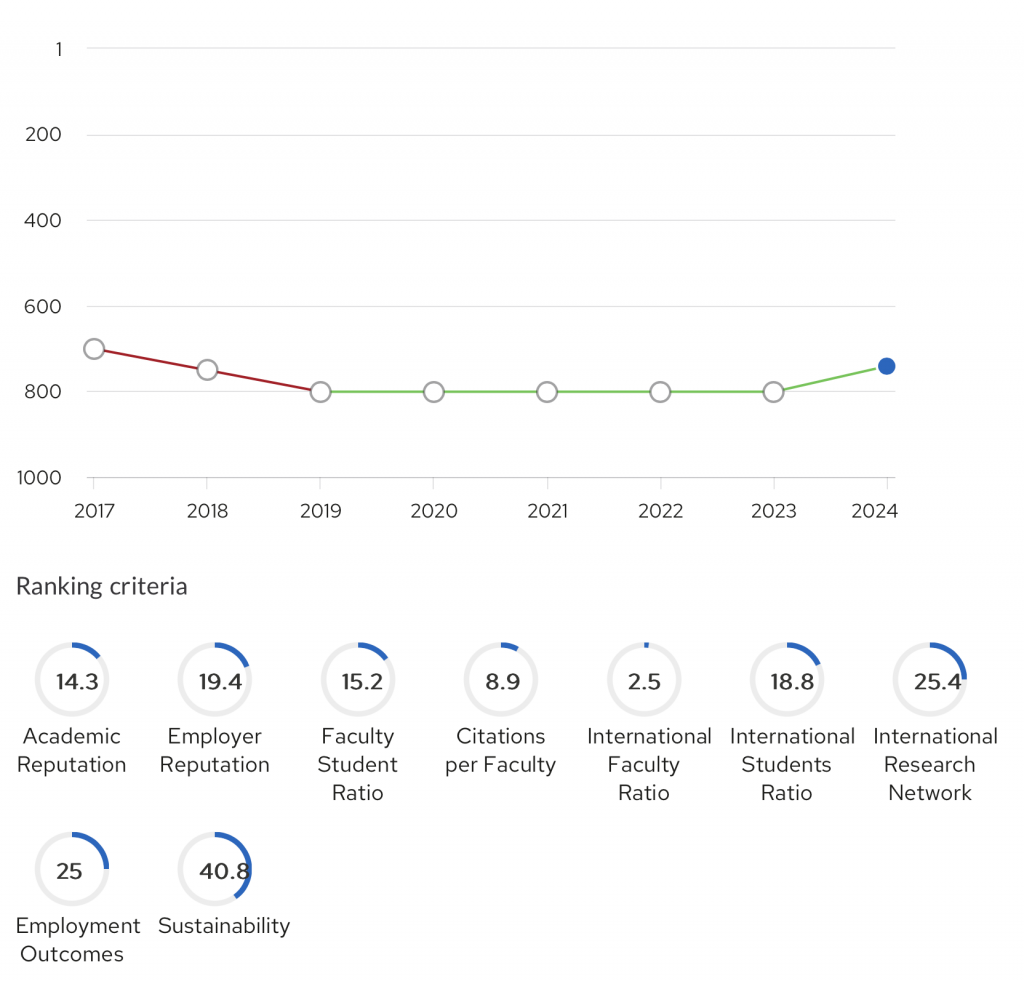
A Pécsi Egyetem is a második harmadban található, Elsősorban a külföldi diákok aránya és az oktató/hallgató aránynak köszönhetően, viszont a fenntarthatósági illetve az idézettségi indikátorok értékei alacsonyak.
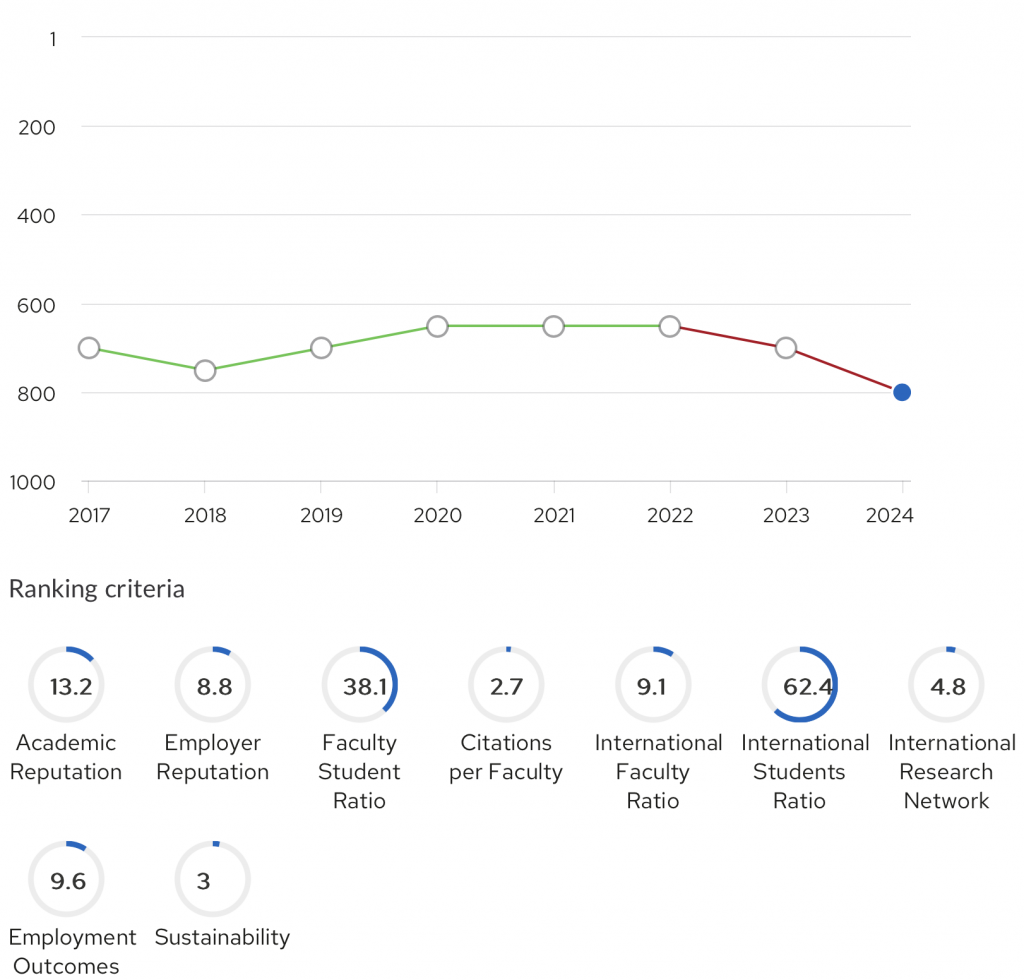
A Corvinus a QS lista harmadik harmadába került tavaly és ott van idén is. A külföldi diákok számosabbak, azonban a nemzetközi kutatási hálózatokban való részvétel, a fenntarthatóság és az idézettség alacsonyabb.
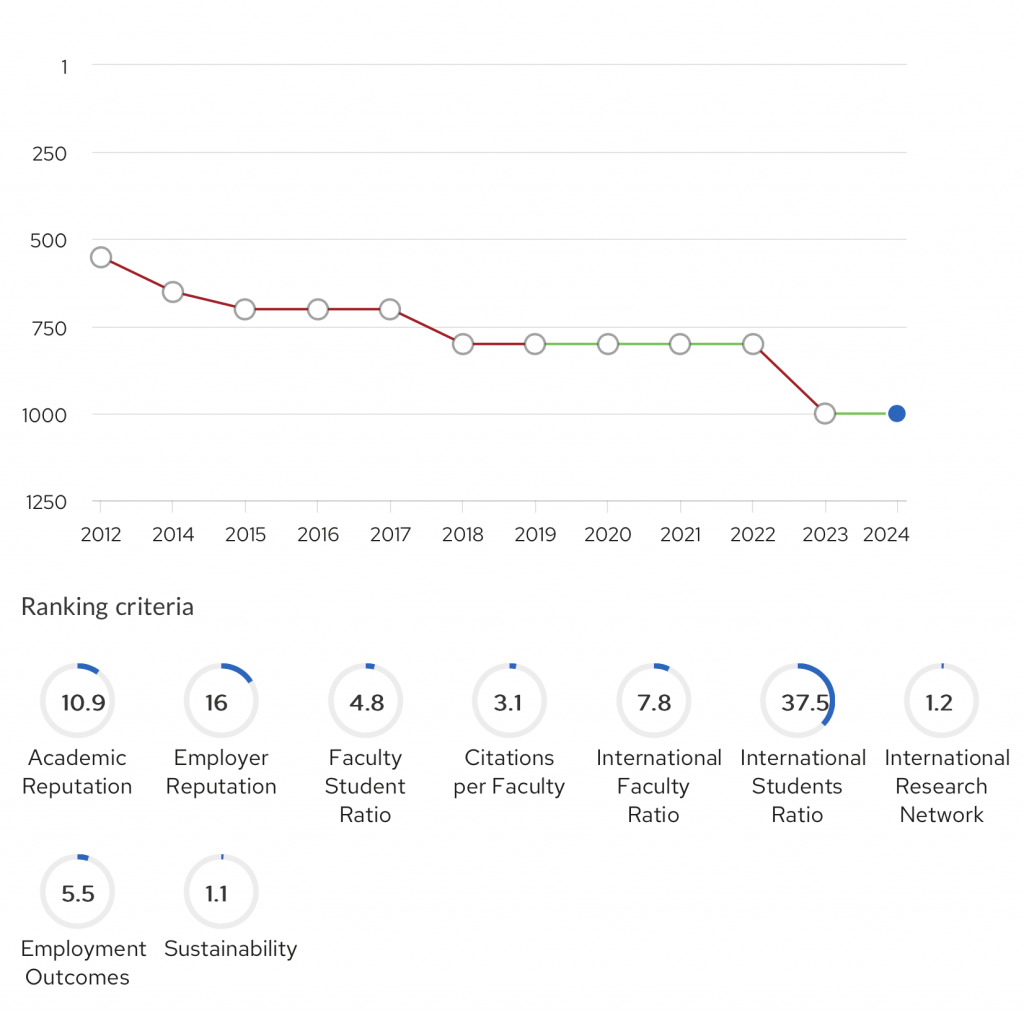
A MATE jogelődje, a SZIE 2021 óta szerepelt a QS listán, akkor még a második harmadban, az egyesült agrár-intézmény azonban műár a harmadik harmadba került. Az oktató/hallgató arány és a külföldi hallgatók aránya jobb, míg a fenntarthatóság és külföldi oktatók aránya és az idézettség a rosszabb értéket adja az indikátorok között.
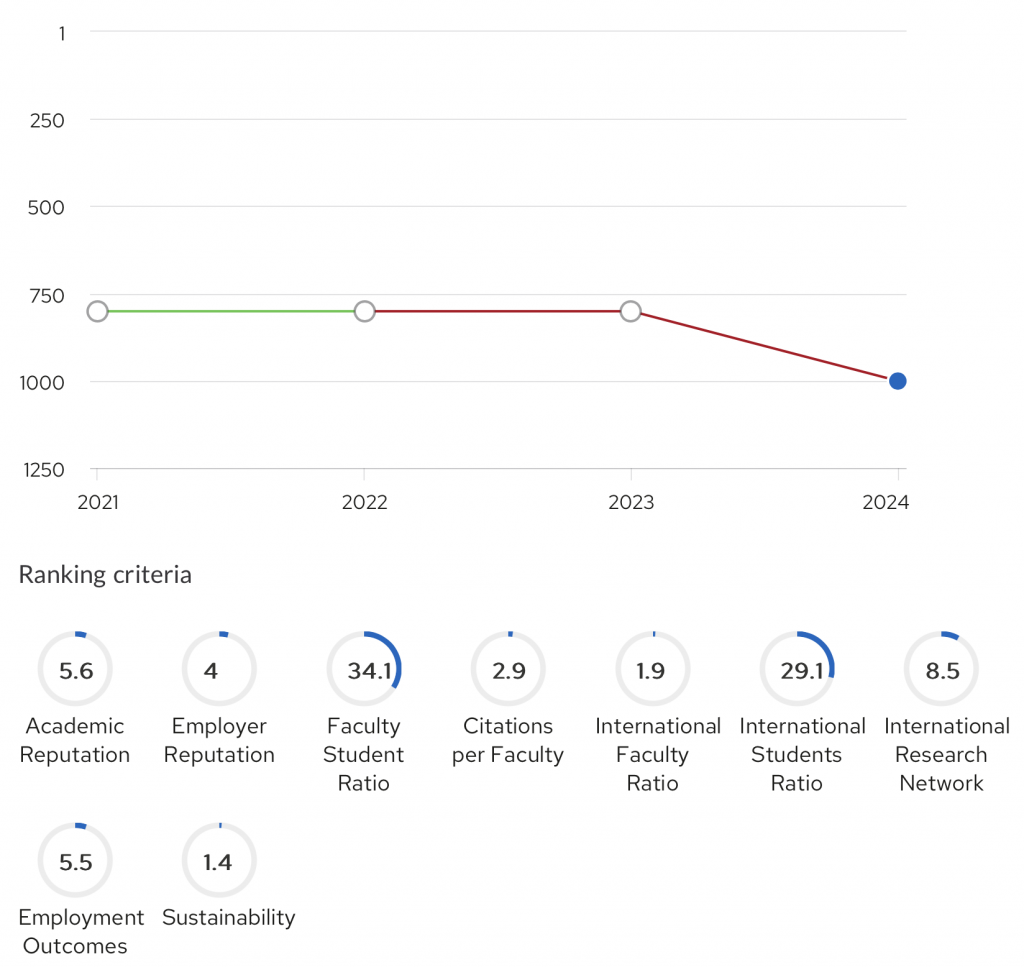
A Miskolci Egyetem negyedszer szerepel a QS listán, mostnra már az 1250-es csoportban. Az oktató/hallgató aránya viszonylag jobb, a fenntarthatóság és nemzetközi kutatási együttműködések valamint az idézettség rosszabb értékelést kapott.
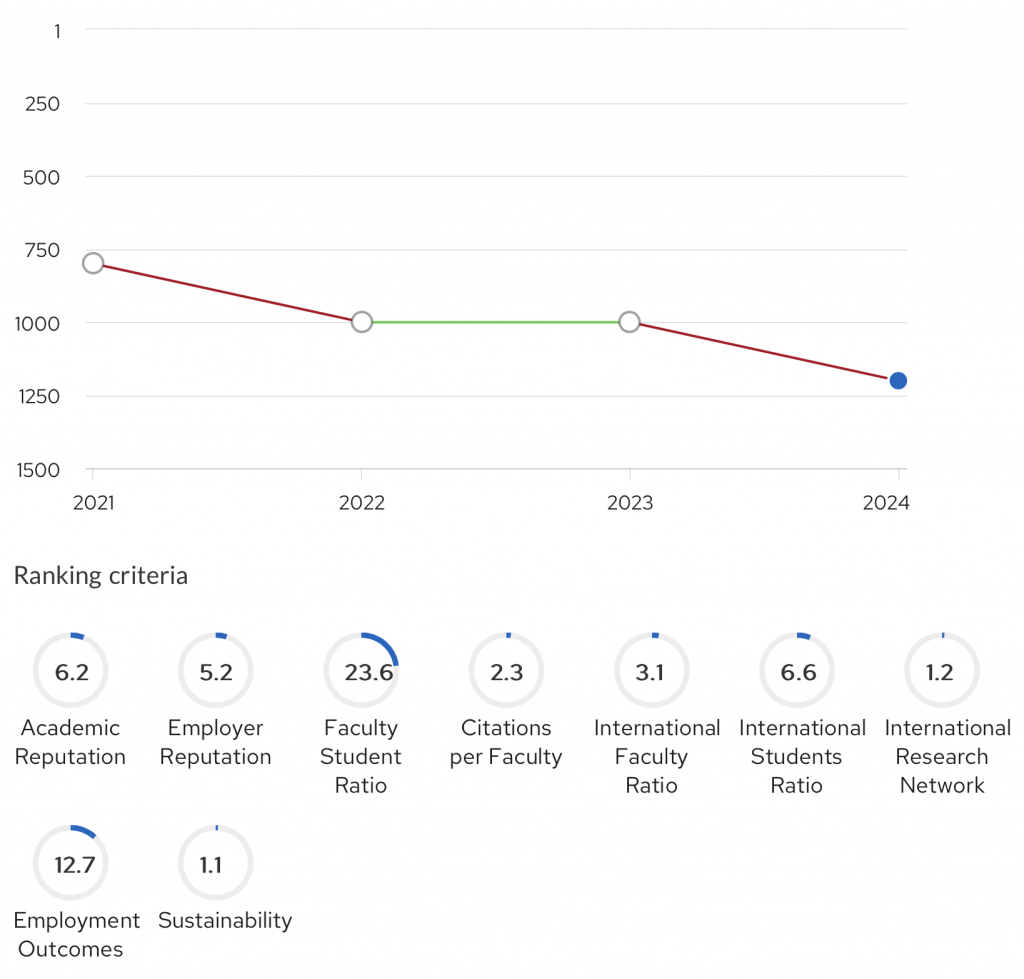
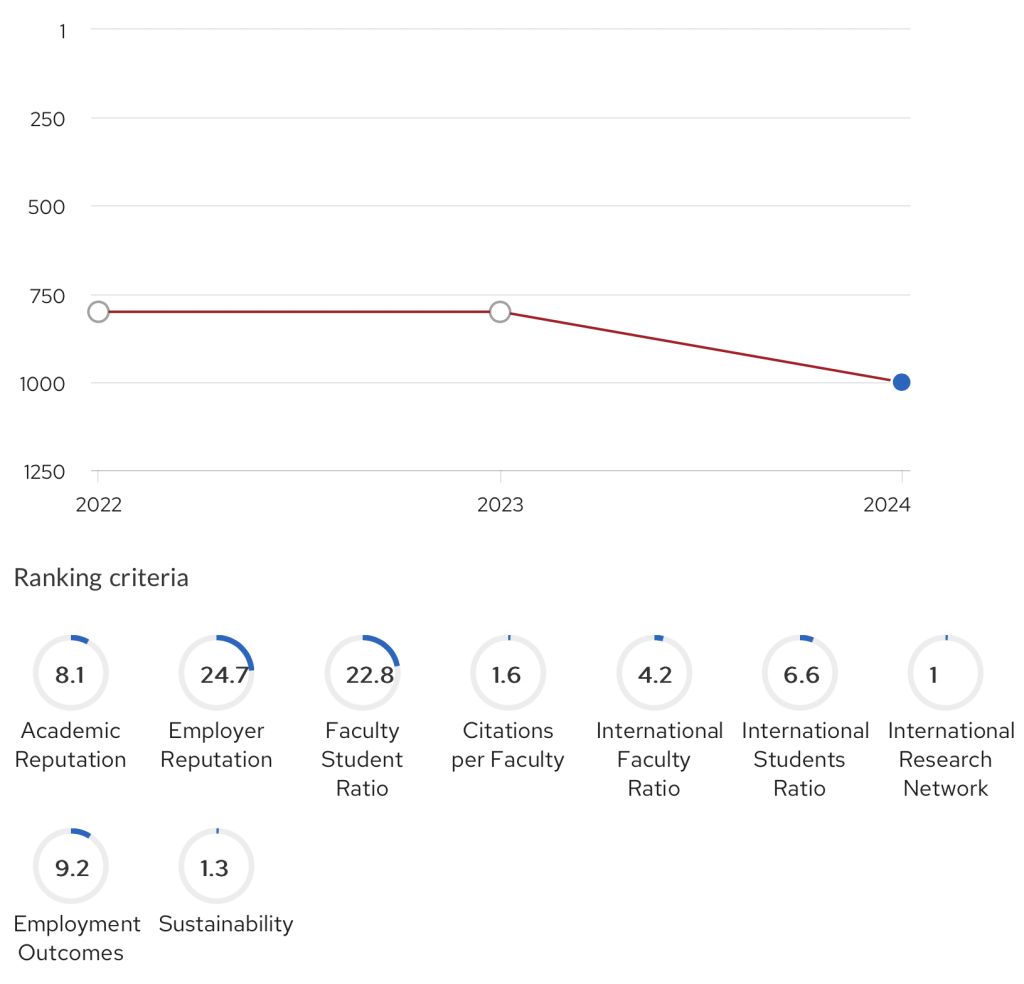
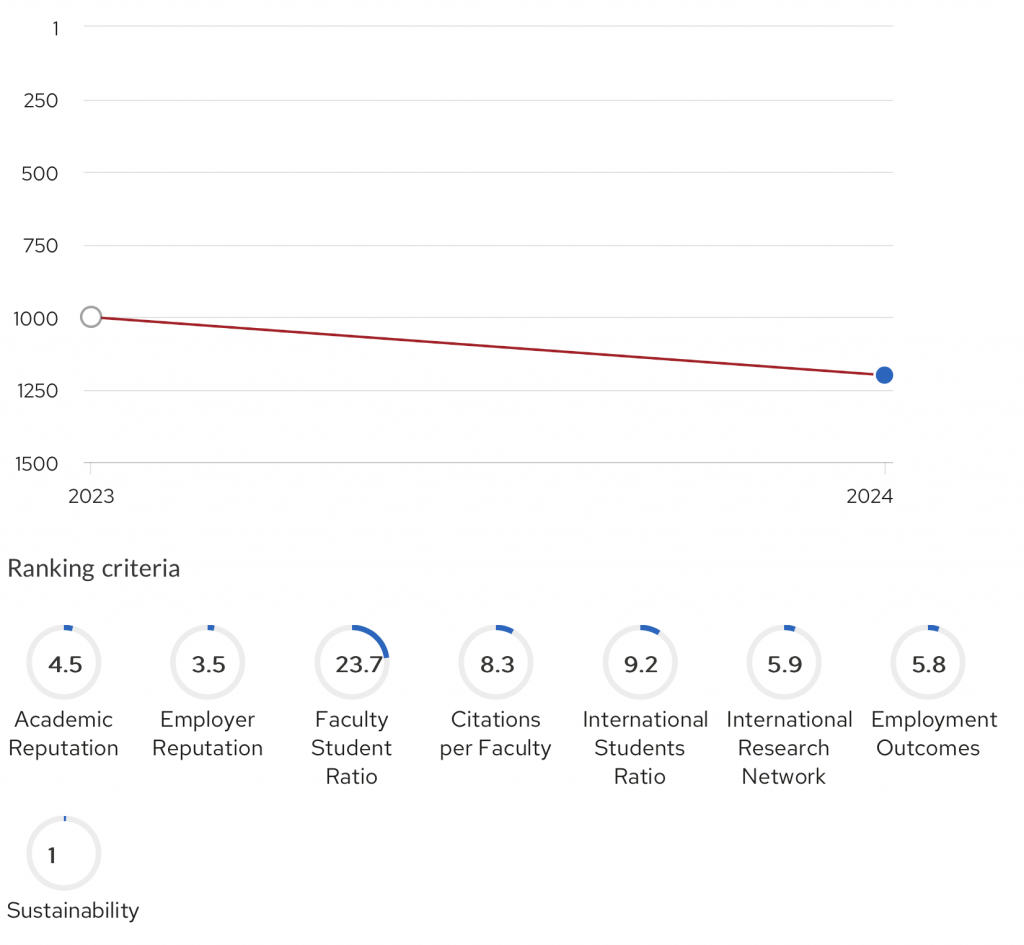
Mivel csak egy-két éve szerepel a QS listán három további egyetemünk, a helyezéseik tendenciái még nem értékelhetőek. A Széchenyi Egyetem két éve a 750-es csoportban lépett be, idénre a harmadik harmad elejére került, a Pannon Egyetemet és Óbudát a eleve itt mérik tavaly óta.
Az indikátorok és változásaik részletezését itt mutattuk be. További elemzések rövidesen várhatók!
 Dr. habil György Fábri (1964) is an habilitated associate professor (Institute of research on Adult Education and Knowledge Management, Faculty of Education and Psychology of Eötvös Loránd University), head of the Social Communication Research Group. Areas of research: university philosophy, sociology of higher education and science, science communication, social communication, church sociology. His monograph was published on the transformation of Hungarian higher education during the change of regime (1992 Wien) and on university rankings (2017 Budapest). He has edited several scientific journals, and his university courses and publications cover communication theory, university philosophy, science communication, social representation, media and social philosophy, ethics, and church sociology.
 Mr. Degli Esposti is Full Professor at the Department of Computer Science and Engineering, Deputy Rector Alma Mater Studiorum Università di Bologna, Dean of Biblioteca Universitaria di Bologna, Head of Service for the health and safety of people in the workplace, President of the Alma Mater Foundation and Delegate for Rankings.
 Ben joined QS in 2002 and has led institutional performance insights function of QS since its emergence following the early success of the QS World University Rankings®. His team is, today, responsible for the operational management of all major QS research projects including the QS World University Rankings® and variants by region and subject. Comprising over 60 people in five international locations, the team also operate a widely adopted university rating system – QS Stars – and a range of commissioned business intelligence and strategic advisory services.Ben has travelled to over 50 countries and spoken on his research in almost 40. He has personally visited over 50 of the world’s top 100 universities amongst countless others and is a regular and sought after speaker on the conference circuit.Ben is married and has two sons; if he had any free time it would be spent reading, watching movies and skiing.
 Anna Urbanovics is a PhD student at Doctoral School of Public Administration Sciences of the University of Public Service, and studies Sociology Master of Arts at the Corvinus University of Budapest. She is graduated in International Security Studies Master of Arts at the University of Public Service. She does research in Scientometrics and International Relations.

 Dr. Mircea Dumitru is a Professor of Philosophy at the University of Bucharest (since 2004). Rector of the University of Bucharest (since 2011). President of the European Society of Analytic Philosophy (2011 – 2014). Corresponding Fellow of the Romanian Academy (since 2014). Minister of Education and Scientific Research (July 2016 – January 2017). Visiting Professor at Beijing Normal University (2017 – 2022). President of the International Institute of Philosophy (2017 – 2020). President of Balkan Universities Association (2019 – 2020). He holds a PhD in Philosophy at Tulane University, New Orleans, USA (1998) with a topic in modal logic and philosophy of mathematics, and another PhD in Philosophy at the University of Bucharest (1998) with a topic in philosophy of language. Invited Professor at Tulsa University (USA), CUNY (USA), NYU (USA), Lyon 3, ENS Lyon, University of Helsinki, CUPL (Beijing, China), Pekin University (Beijing, China). Main area of research: philosophical logic, metaphysics, and philosophy of language. Main publications: Modality and Incompleteness (UMI, Ann Arbor, 1998); Modalitate si incompletitudine, (Paideia Publishing House, 2001, in Romanian; the book received the Mircea Florian Prize of the Romanian Academy); Logic and Philosophical Explorations (Humanitas, Bucharest, 2004, in Romanian); Words, Theories, and Things. Quine in Focus (ed.) (Pelican, 2009); Truth (ed.) (Bucharest University Publishing House, 2013); article on the Philosophy of Kit Fine, in The Cambridge Dictionary of Philosophy, the Third Edition, Robert Audi (ed.) (Cambridge University Press, 2015), Metaphysics, Meaning, and Modality. Themes from Kit Fine (ed.) (Oxford University Press, forthcoming).
 Since 1 February 2019 Minister Palkovics as Government Commissioner has been responsible for the coordination of the tasks prescribed in Act XXIV of 2016 on the promulgation of the Agreement between the Government of Hungary and the Government of the People’s Republic of China on the development, implementation and financing of the Hungarian section of the Budapest-Belgrade Railway Reconstruction Project.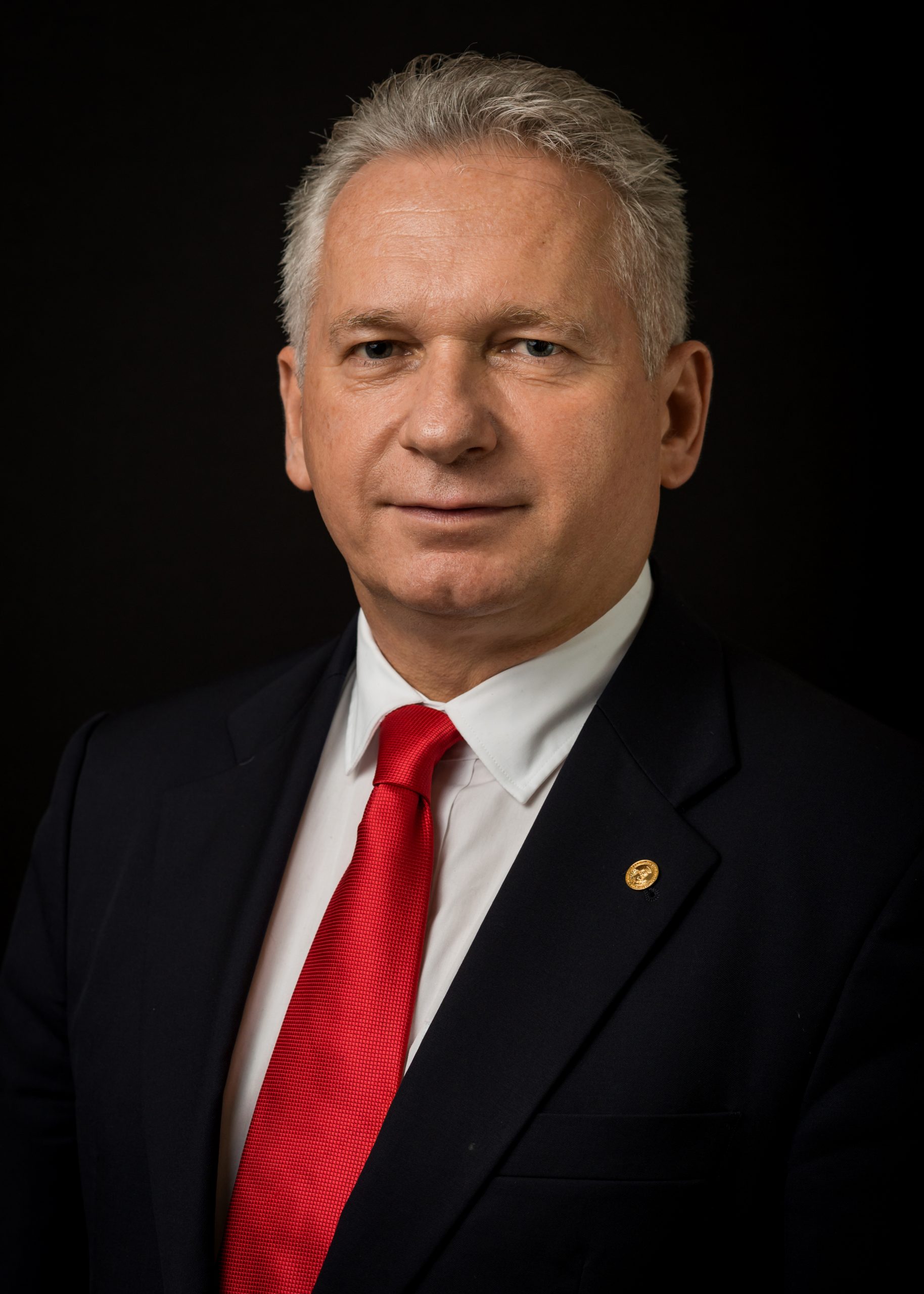
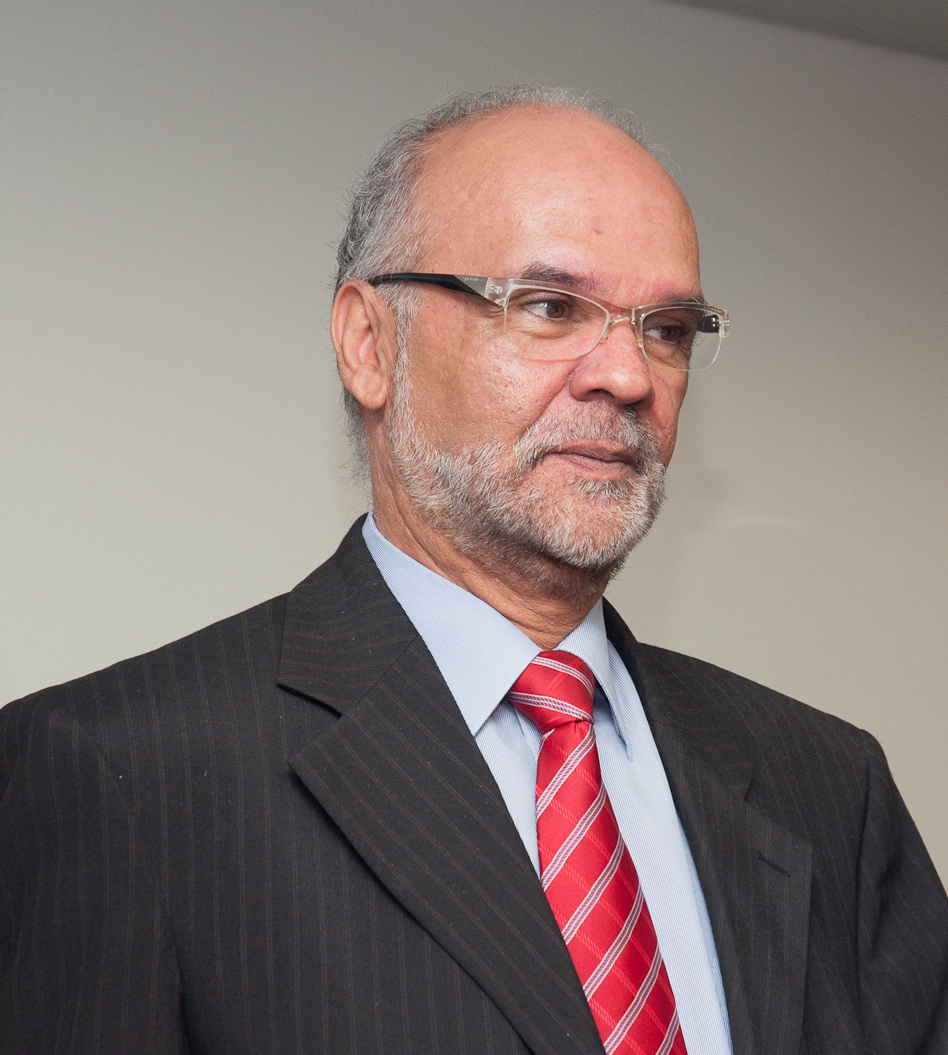
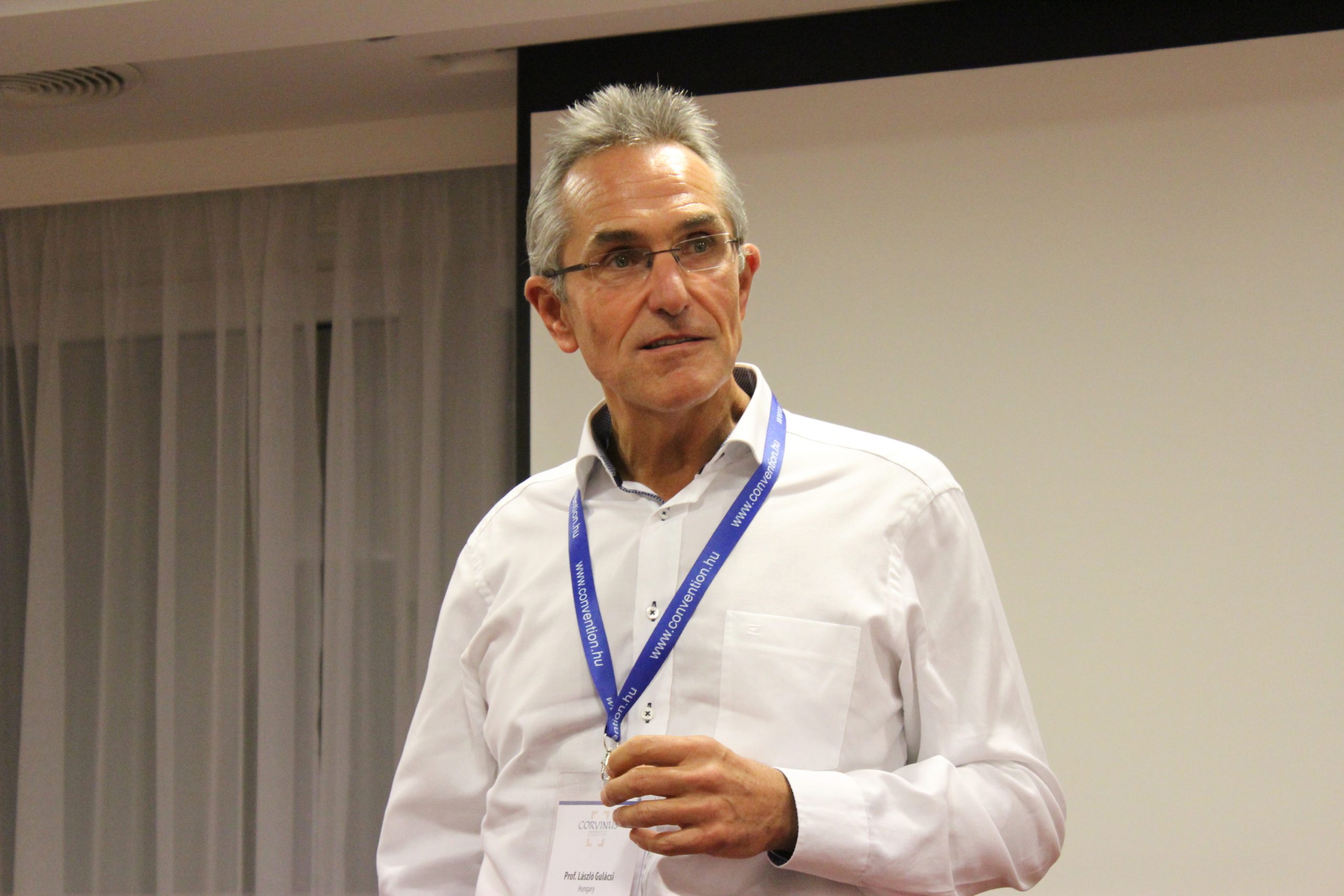 He is the past President of the Health and Health Care Economics Section of the Hungarian Economics Association.

 Based in Berlin, Zuzanna Gorenstein is Head of Project of the German Rectors’ Conference (HRK) service project “International University Rankings” since 2019. Her work at HRK encompasses the conceptual development and implementation of targeted advisory, networking, and communication measures for German universities’ ranking officers. Before joining the HRK, Zuzanna Gorenstein herself served as ranking officer of Freie Universität Berlin.
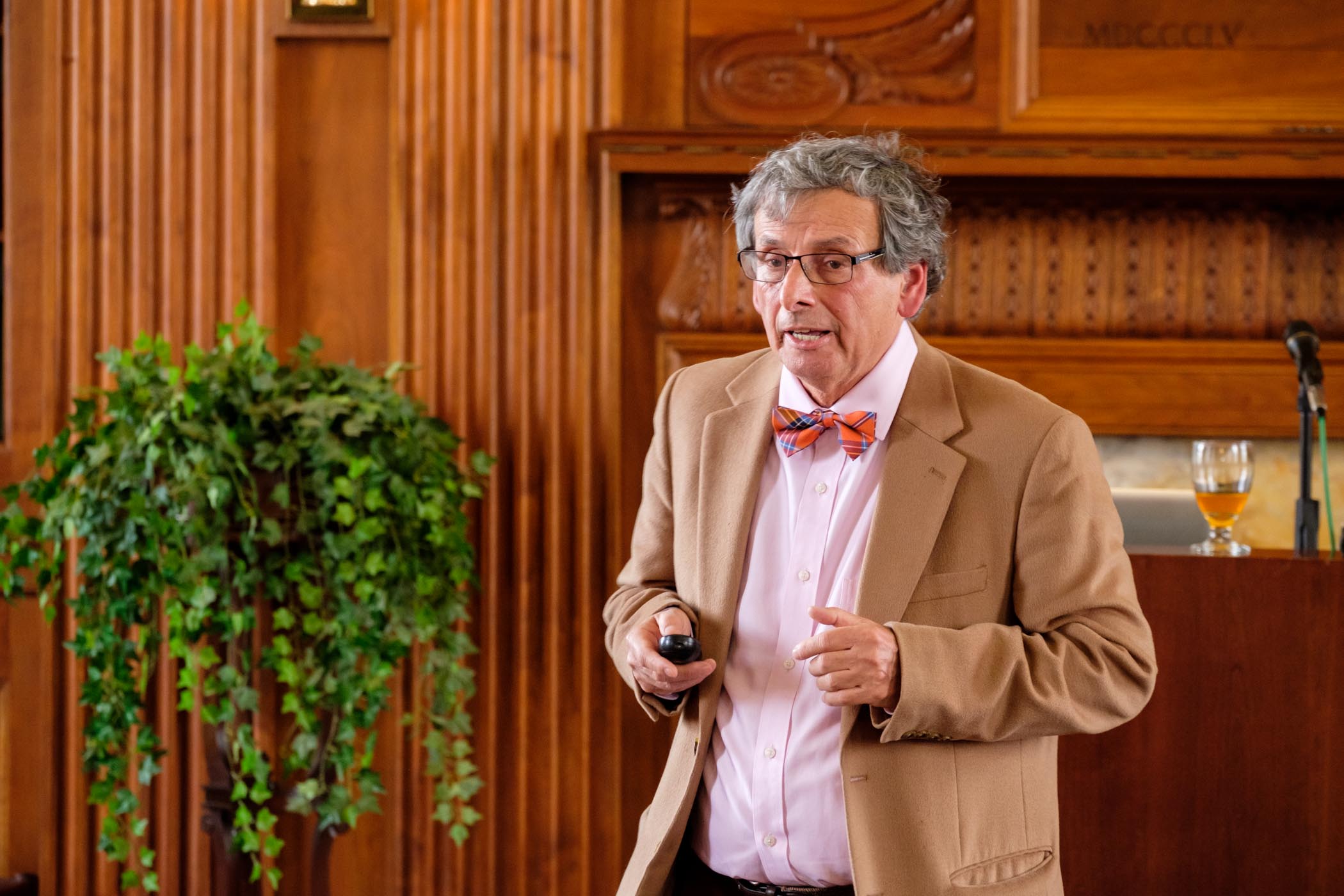 His books on mathematical modeling of chemical, biological, and other complex systems have been published by Princeton University Press, MIT Press, Springer Publishing house. His new book RANKING: The Unwritten Rules of the Social Game We All Play was published recently by the Oxford University Press, and is already under translation for several languages.