Kutatócsoportunk elemzési eredményei alapján a globális rankingek magyar vonatkozásainak vizsgálatakor a realitásokat tartjuk szem előtt: a vezető nyugati tudományos-oktatási világhatalmak (USA, Anglia, Németország, Franciaország) egyetemeinek nagy többsége finanszírozási és kulturális adottságaival elérhetetlen magasságban van számunkra, míg a kelet-európai vagy ázsiai országok kulturális-társadalmi különbözősége miatt nem célszerű az összehasonlítás velük.
Ennek alapján mutatjuk be, hogy a meghatározó rankingek legutóbbi kiadásaiban a régió kiválasztott 25 legmagasabbra értékelt intézménye (beleértve a referenciapontként beemelt Helsinki, Aalto és Bécs egyetemét) között hol vannak a magyar egyetemek? (Módszertan: a helyezéseknek megfelelő pontértéket rendeltünk az egyes intézményekhez, ezeket összeadva képződött a sorrend.)
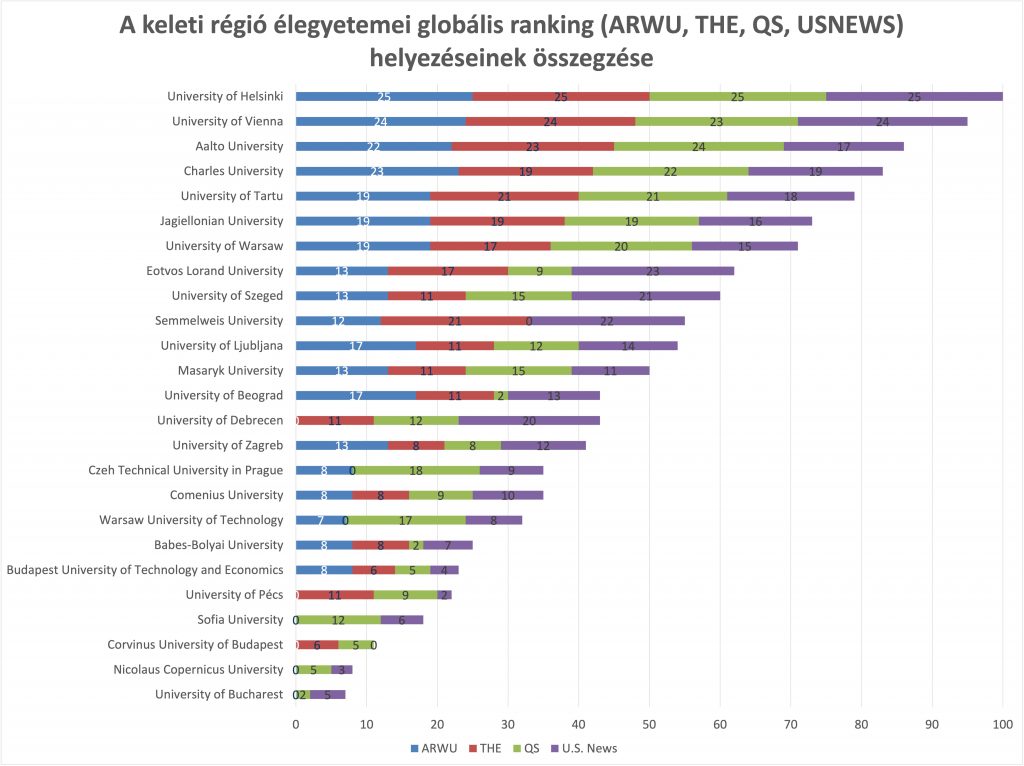
Ha idősorosan vizsgáljuk, azt látjuk, hogy az így kijelölt versenytérben hosszú évek óta három egyetem foglalja el a legjobb helyezéseket: a prágai Károly Egyetem, a Varsói Egyetem és a krakkói Jagelló Egyetem. Ők elérik a nyugati országok középmezőnyét, vagyis a 200-300-as körben mozognak, egyértelműen kiemelkedve a többi régióbeli intézmény közül. Előrelépési lehetőségük eltérőnek látszik: míg Prága pozícói évek óta változatlanok vagy csekély mértékben romlanak (ARWU 201-300, THE 501-600, ami egy csoportnyi romlás, és a QS esetében hat hellyel hátrébb a 266-ikok), a Jagelló mindhárom rankingben javult idén. Az ARWU-ban öt év után visszaerősödtek a háromszázas csoportba (301-350) a négyszázasokból, a THE-ben megőrizték a tavalyi előrelépésüket az 501-600 közöttre, a QS-ben 17 helyezést javulva a 309-ek lettek. Varsó az ARWU-ban hátrébb került, a másik kettőben előbbre.
Ehhez képest szemlélve a magyar egyetemek helyezéseit, egy kivétellel a stagnálást illetve a visszalépést látjuk. A figyelemreméltó mértékű javulást a Semmelweis érte el, aki az ARWU-ban két kategóriát is ugrott (701-800), ahogyan a THE listáján is a tavalyi 401-500-as csoportból idén a 251-300-ba lépett előre, ami a mindenkori legjobb magyar helyezés a globális rankingeken. (a QS nem méri, vélhetően szakegyetemi jellege miatt).
Utóbbi ranking amúgy sem a magyar intézmények kedvenc mércéje: a legjobb pozíciót az ötszázas körben érték el hazai intézményeink, Szeged (551-560) illetve Debrecen (591-600), de mindkettő romlást jelent tavalyhoz képest, ahogyan az ELTE is egy csoporttal hátrébb találjuk: a 651-700 között. Utóbbi az ARWU (601-700) és THE (601-800( listáján is megőrizte helyezését, vagyis a korábbi évek romlásai után stabilizálódni látszik a pozíciója. A shanghai-i rangsor továbbra is 801-900 között méri a Műegyetemet és 601-700 között Szegedet, míg a THE az 1200+ kategóriában tartja számon A BME-t, Corvinust és a Pannon Egyetemet. Itt a három nagy vidéki központunk (Debrecen, Pécs, Szeged) egyaránt a 801-1000 között van. Regionálisan tekintve ez a leginkább elérhető helyezés a térség egyetemei számára, az előbbiekben említett egyetemeken kívül innen csak néhány éve mért, de azonnal a kedvező kétszáz-háromszázas körbe került észt Tartu Egyetem ért el kedvezőbb pozíciót.
Mindezen magyar helyezéseket igazolja vissza a QS is, amelyen Szeged (551-560), Debrecen (591-600) éri el a legjobb pozíciót, az ELTE és Pécs (651-700), valamint a BME, a Corvinus, a Szent István és a Széchenyi Egyetem 801-1000-s kategóriája előtt.
(A teljes elemzés a HVG Diploma 2022 kiadványban olvasható.)
 Dr. habil György Fábri (1964) is an habilitated associate professor (Institute of research on Adult Education and Knowledge Management, Faculty of Education and Psychology of Eötvös Loránd University), head of the Social Communication Research Group. Areas of research: university philosophy, sociology of higher education and science, science communication, social communication, church sociology. His monograph was published on the transformation of Hungarian higher education during the change of regime (1992 Wien) and on university rankings (2017 Budapest). He has edited several scientific journals, and his university courses and publications cover communication theory, university philosophy, science communication, social representation, media and social philosophy, ethics, and church sociology.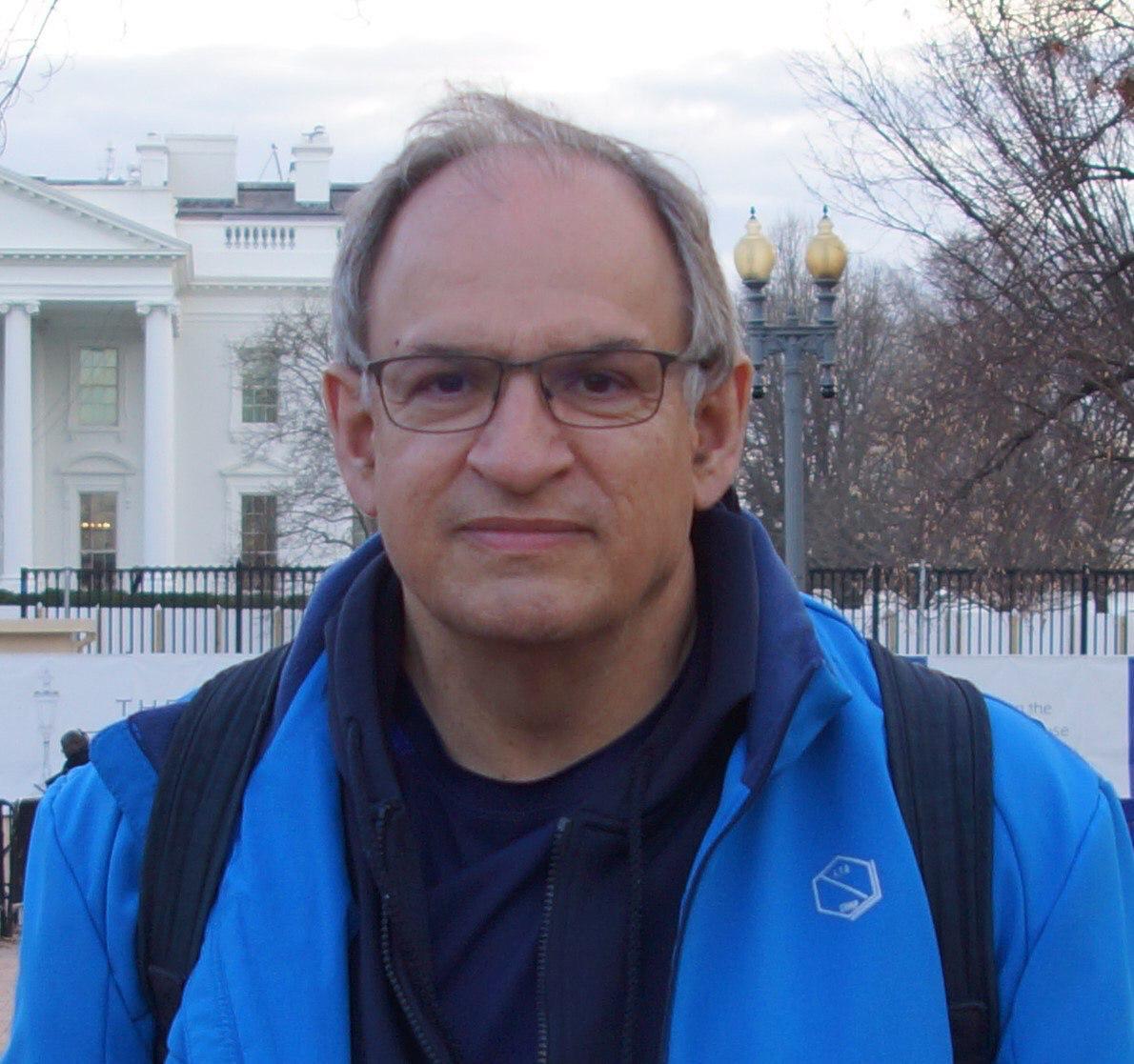
 Mr. Degli Esposti is Full Professor at the Department of Computer Science and Engineering, Deputy Rector Alma Mater Studiorum Università di Bologna, Dean of Biblioteca Universitaria di Bologna, Head of Service for the health and safety of people in the workplace, President of the Alma Mater Foundation and Delegate for Rankings.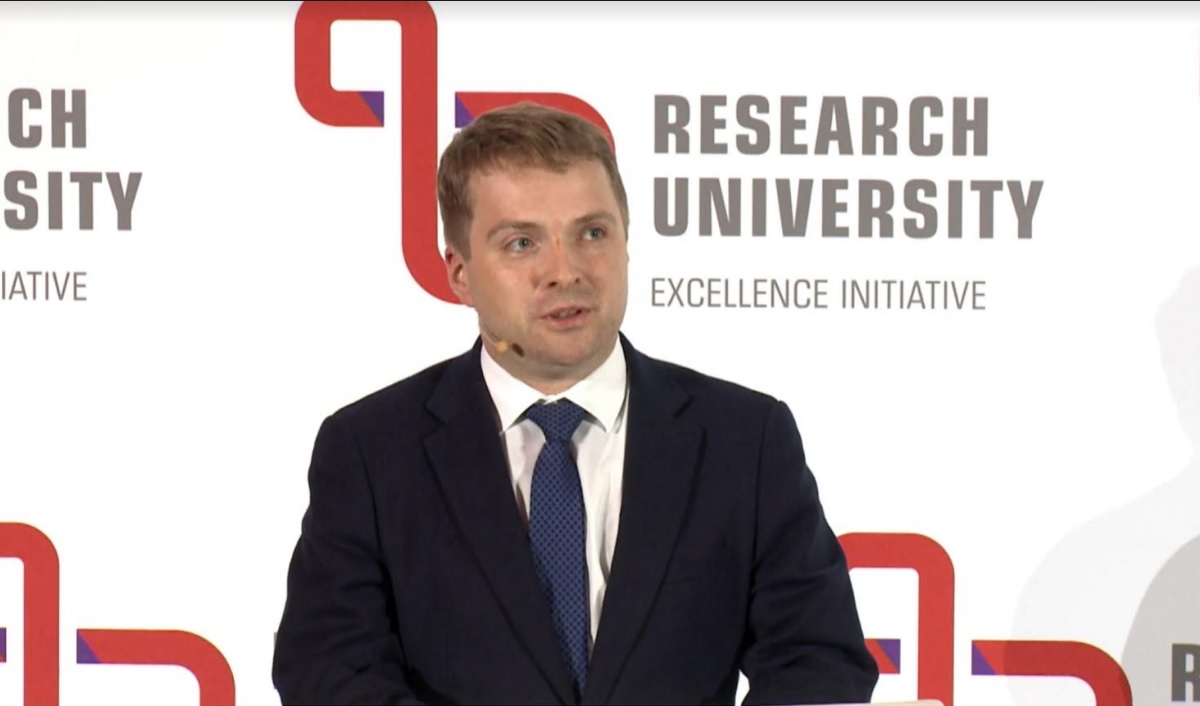
 Ben joined QS in 2002 and has led institutional performance insights function of QS since its emergence following the early success of the QS World University Rankings®. His team is, today, responsible for the operational management of all major QS research projects including the QS World University Rankings® and variants by region and subject. Comprising over 60 people in five international locations, the team also operate a widely adopted university rating system – QS Stars – and a range of commissioned business intelligence and strategic advisory services.Ben has travelled to over 50 countries and spoken on his research in almost 40. He has personally visited over 50 of the world’s top 100 universities amongst countless others and is a regular and sought after speaker on the conference circuit.Ben is married and has two sons; if he had any free time it would be spent reading, watching movies and skiing.
 Anna Urbanovics is a PhD student at Doctoral School of Public Administration Sciences of the University of Public Service, and studies Sociology Master of Arts at the Corvinus University of Budapest. She is graduated in International Security Studies Master of Arts at the University of Public Service. She does research in Scientometrics and International Relations.

 Dr. Mircea Dumitru is a Professor of Philosophy at the University of Bucharest (since 2004). Rector of the University of Bucharest (since 2011). President of the European Society of Analytic Philosophy (2011 – 2014). Corresponding Fellow of the Romanian Academy (since 2014). Minister of Education and Scientific Research (July 2016 – January 2017). Visiting Professor at Beijing Normal University (2017 – 2022). President of the International Institute of Philosophy (2017 – 2020). President of Balkan Universities Association (2019 – 2020). He holds a PhD in Philosophy at Tulane University, New Orleans, USA (1998) with a topic in modal logic and philosophy of mathematics, and another PhD in Philosophy at the University of Bucharest (1998) with a topic in philosophy of language. Invited Professor at Tulsa University (USA), CUNY (USA), NYU (USA), Lyon 3, ENS Lyon, University of Helsinki, CUPL (Beijing, China), Pekin University (Beijing, China). Main area of research: philosophical logic, metaphysics, and philosophy of language. Main publications: Modality and Incompleteness (UMI, Ann Arbor, 1998); Modalitate si incompletitudine, (Paideia Publishing House, 2001, in Romanian; the book received the Mircea Florian Prize of the Romanian Academy); Logic and Philosophical Explorations (Humanitas, Bucharest, 2004, in Romanian); Words, Theories, and Things. Quine in Focus (ed.) (Pelican, 2009); Truth (ed.) (Bucharest University Publishing House, 2013); article on the Philosophy of Kit Fine, in The Cambridge Dictionary of Philosophy, the Third Edition, Robert Audi (ed.) (Cambridge University Press, 2015), Metaphysics, Meaning, and Modality. Themes from Kit Fine (ed.) (Oxford University Press, forthcoming).
 Since 1 February 2019 Minister Palkovics as Government Commissioner has been responsible for the coordination of the tasks prescribed in Act XXIV of 2016 on the promulgation of the Agreement between the Government of Hungary and the Government of the People’s Republic of China on the development, implementation and financing of the Hungarian section of the Budapest-Belgrade Railway Reconstruction Project.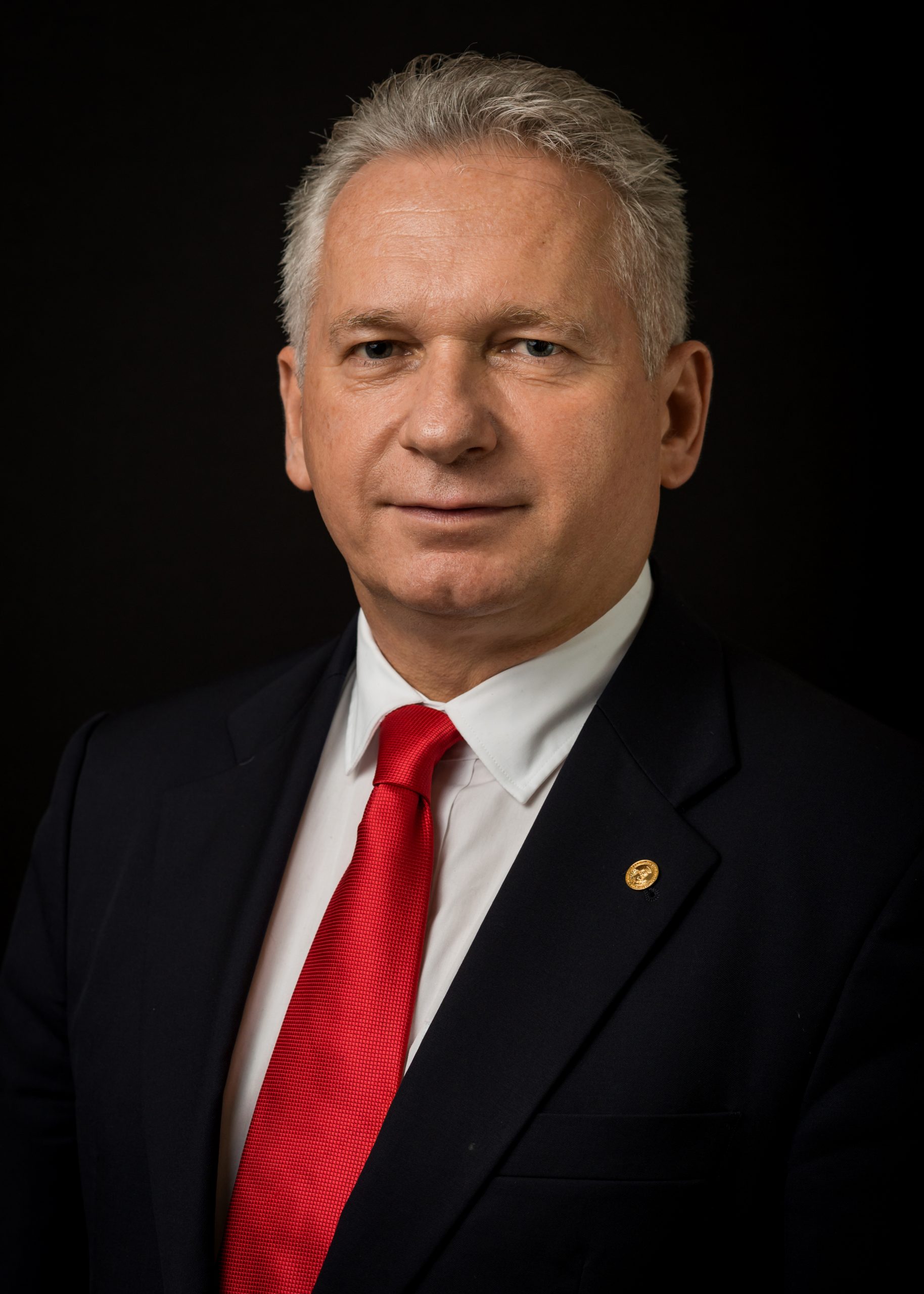
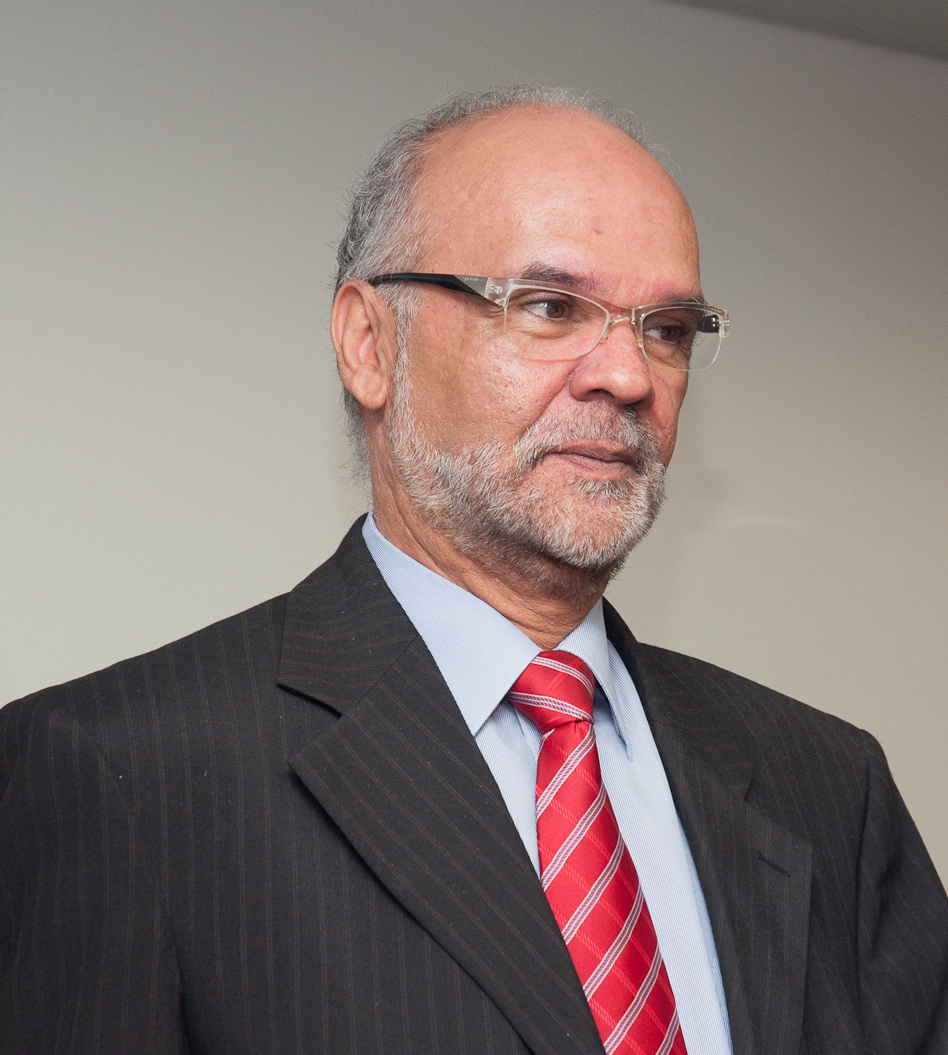
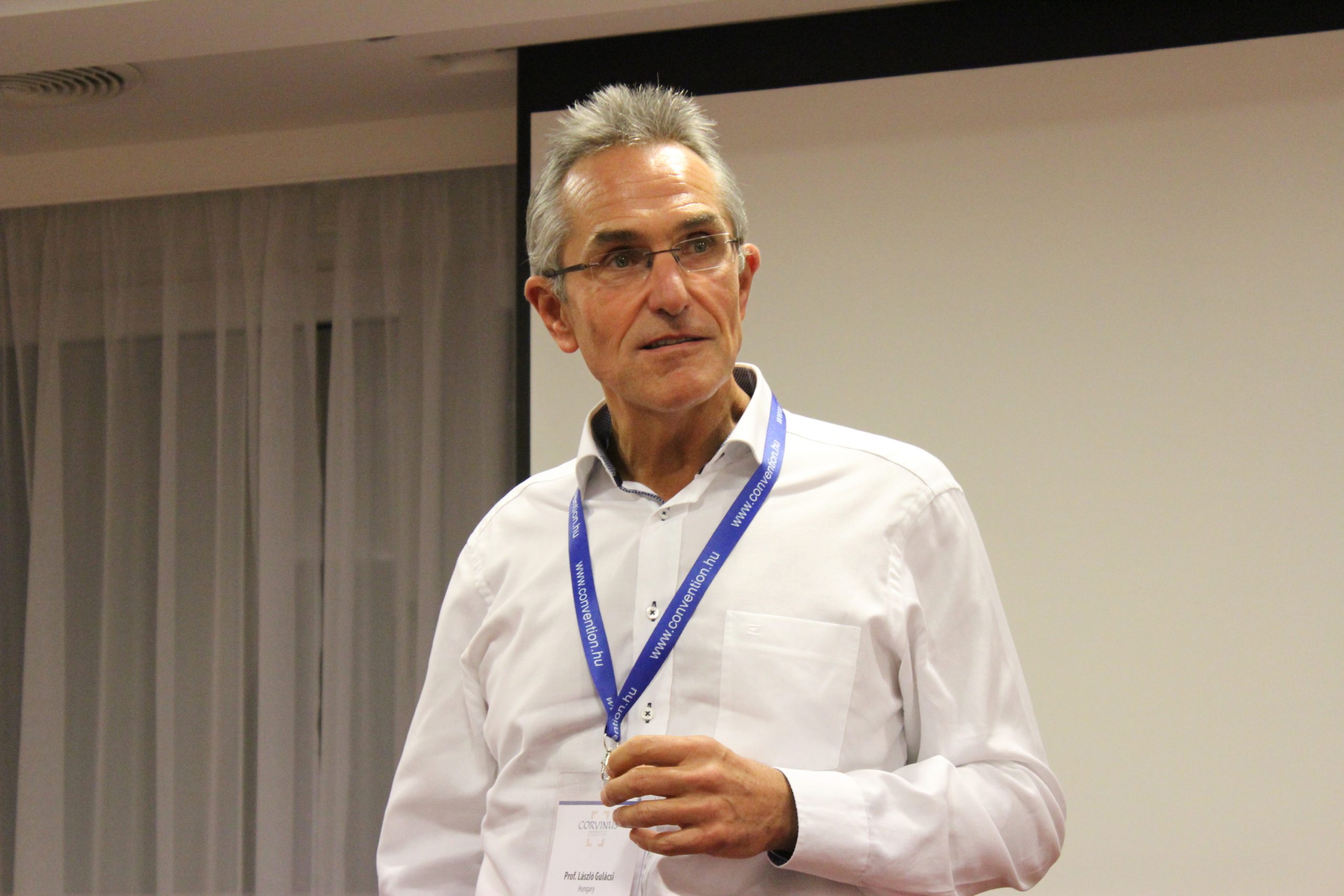 He is the past President of the Health and Health Care Economics Section of the Hungarian Economics Association.

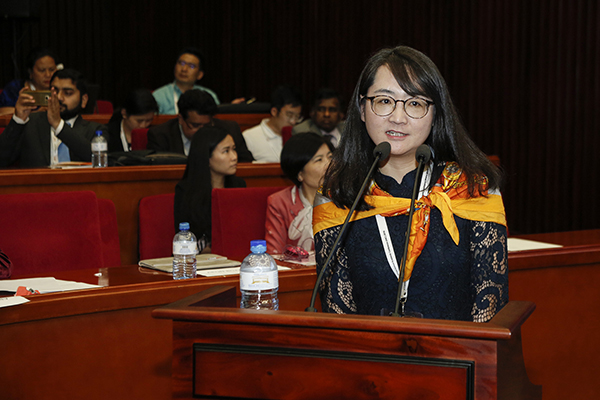
 Based in Berlin, Zuzanna Gorenstein is Head of Project of the German Rectors’ Conference (HRK) service project “International University Rankings” since 2019. Her work at HRK encompasses the conceptual development and implementation of targeted advisory, networking, and communication measures for German universities’ ranking officers. Before joining the HRK, Zuzanna Gorenstein herself served as ranking officer of Freie Universität Berlin.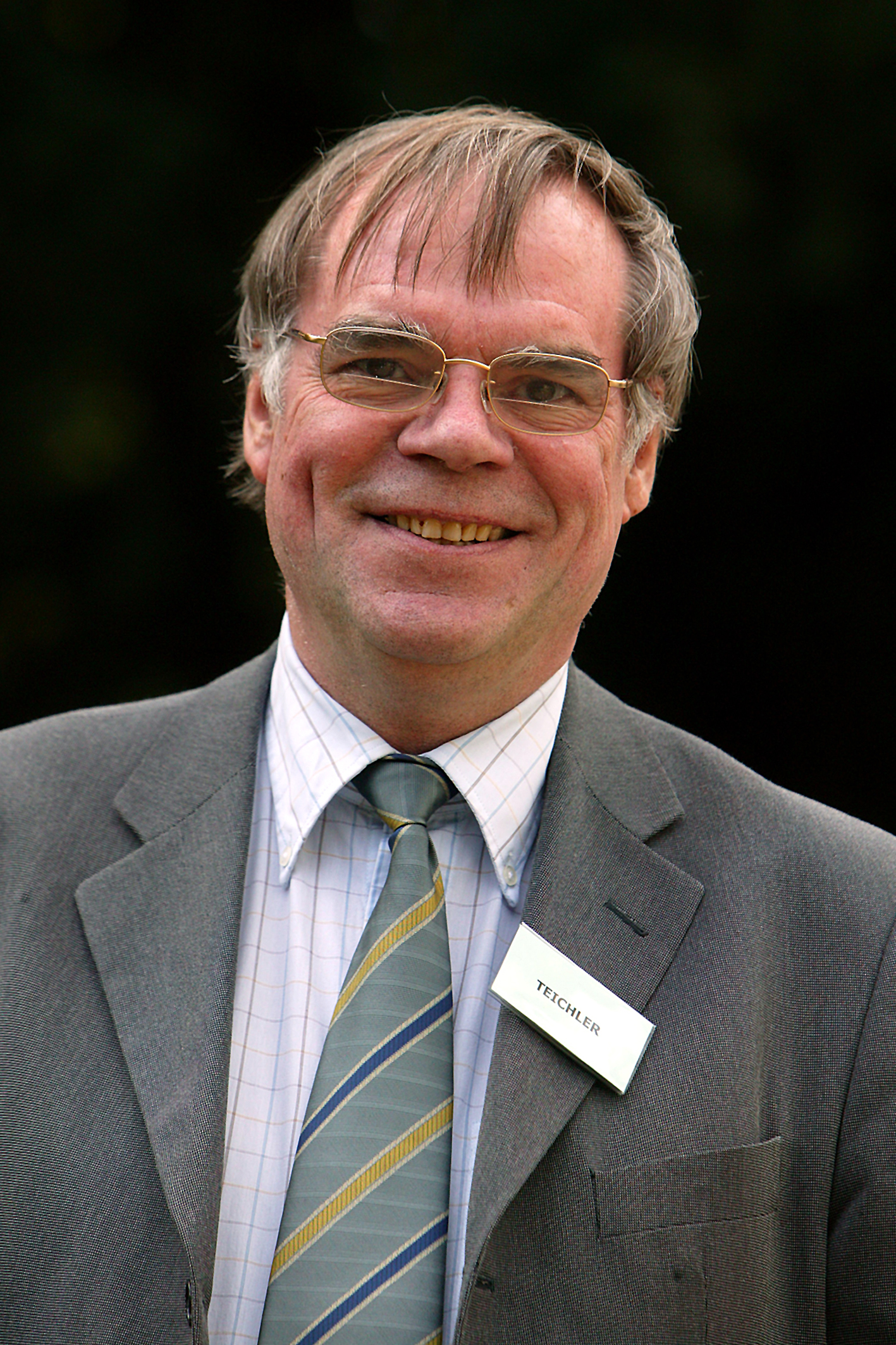
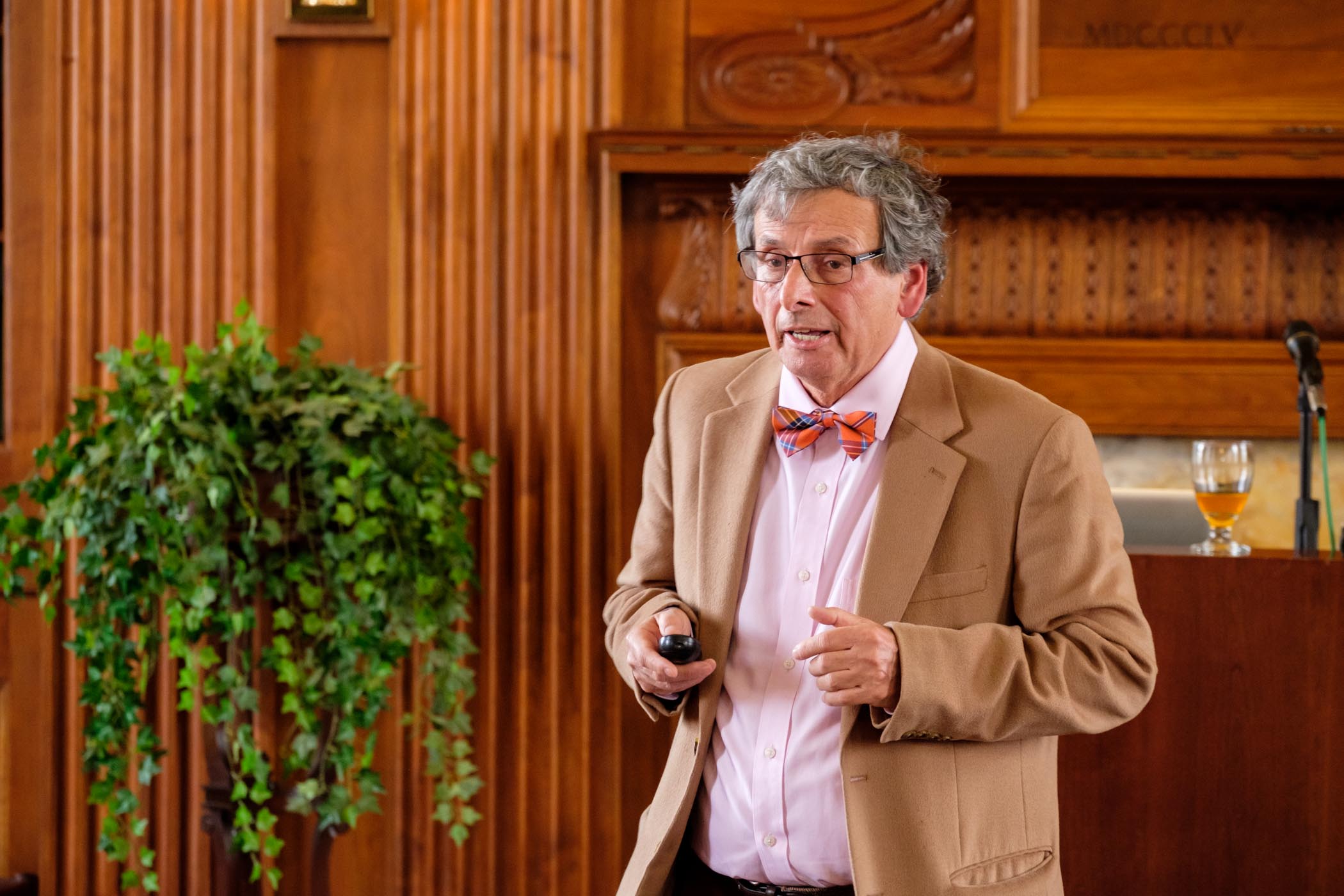 His books on mathematical modeling of chemical, biological, and other complex systems have been published by Princeton University Press, MIT Press, Springer Publishing house. His new book RANKING: The Unwritten Rules of the Social Game We All Play was published recently by the Oxford University Press, and is already under translation for several languages.