A magyar egyetemek valódi versenytársai a THE legutóbbi rangsoraiban általában megtartották korábbi helyezéseiket. A haza intézményekkel regionális elhelyezkedésükből és történeti beágyzódottságokból adódó profilok alapján kiválsztott 16 referenciaintézmény közül 9 intézmény az előző éves helyezését érte el a 2019-es rangsorban is. A pozíciójukat megtartott intézmények jellemzően a hazai intézményekhez hasonló helyezésekkel kerültek rangsorolásra, a 401-500 és 1000+ közötti kategóriákba kerültek.
Az összesített pontok alapján láthatóvá válik, hogy az egyes rangsorcsoportokon belül mennyire erős pozícióval bírnak a hazai egyetemek a külföldi versenytársakkal szemben. A Semmelweis például a prágai Károly Egyetem és a Grazi Műszaki Egyetem alatt végzett az összesített pontszámokat tekintve, a 401-500-as rangsorcsoportban. A 601-800 közötti csoportban az ELTE a második legmagasabb pontszámú intézmény a vizsgáltak közül, kizárólag a Jagiellonian előzte meg. Olyan intézményekkel van egy csoportban, mint a Palacky vagy a Ljubljana egyetem, továbbá az is elmondható, hogy a hazaiak közül ebben a rangsorcsoportban az ELTE, Pécs, Szeged a sorrend. A 801-1000 kategóriában a Debreceni Egyetem végzett az élen, őt követi a BME, Bukarest, majd Zágráb egyeteme. Az 1001+-os kategóriában a Corvinus megelőzte a Szófiai Egyetemet.
A 2018-as THE rangsorhoz képest a régió intézményei annak ellenére, hogy rangsorhelyezésük stagnált, az összesített indikátorpontok mentén változatos eredményt mutattak. Legerőteljesebben a Jagielloniain Egyetem javított az előző évhez képest, 4.1 ponttal, így nem meglepő, hogy a kategórián belül az élre tört. A Palacky Egyetemet leszámítva mindegyik intézmény javított a tavalyi értékein, így a hazai intézményekre korábban említett tendencia látható itt is: az önmagukhoz képest mutatott javulás csupán a pozíció megtartásához, stabilizálásához volt elegendő. Az előző évek eredményei alapján az intézmények a rangsorcsoporthoz tartozó intervallum felső határától távol voltak ahhoz, hogy ez a mértékű javulás a helyezésben is megmutatkozzon.
| Rank 2019 | Name | Overall | Teaching | Research | Citations | Industry Income | International Outlook | Overall változás 2019-2018 |
| 401–500 | Graz University of Technology | 37.1–41.6 | 30.4 | 17.3 | 57.3 | 70.8 | 77.3 | 1.4325 |
| 401–500 | Charles University in Prague | 37.1–41.6 | 31.6 | 24.8 | 55.9 | 34.4 | 57.4 | 1.6925 |
| 601–800 | Palacký University Olomouc | 26.0–33.4 | 18.9 | 11.8 | 42.5 | 34.8 | 57.1 | -0.745 |
| 601–800 | Jagiellonian University | 26.0–33.4 | 22.3 | 15.4 | 50.7 | 34.8 | 35.5 | 4.1025 |
| 601–800 | University of Ljubljana | 26.0–33.4 | 23.2 | 17.4 | 40.1 | 38.1 | 40.2 | 1.12 |
| 801–1000 | University of Zagreb | 19.0–25.9 | 17.5 | 12.7 | 23 | 37 | 29.6 | 0.2075 |
| 801–1000 | University of Bucharest | 19.0–25.9 | 12.8 | 25.1 | 16.1 | 34 | 40.3 | 2.425 |
| 1001+ | Sofia University | 9.8–18.9 | 18.4 | 9.5 | 12.6 | 35.2 | 42.1 | 1.2625 |
A két, sokkal jobb pozícióban lévő osztrák intézmény, az University of Vienna és Vienna University of Technology javítani tudott az eredményein, és ezzel a 2016-os helyezésükhöz tértek vissza.
| University | Country | 2015-16 | 2016-17 | 2017-18 | 2018-19 |
| University of Vienna | Austria | 142 | 161 | 165 | 143 |
| Vienna University of Technology | Austria | 251-300 | 251-300 | 301-350 | 251-300 |
Az indikátorokat tekintve a University of Vienna esetében a tanulási környezetet mérő indikátorban javult jelentősebben az intézmény, 2018-hoz képest 10.7-del magasabb pontot ért el, és bár a publikációs indikátorra alacsonyabb értékelést kaptak a 2018-ashoz képest, összességében 2.9 ponttal jobban szerepeltek ebben az évben. A Vienna University of Technology esetén hasonló javulás látható, ami relative nagyobb mértékű, mint a University of Vienna esetében (4 pont javulás a 2.9-cel szemben). Mindkét egyetem esetében a publikációs indikátor az, amelyikben kisebb mértékű visszaesés látszik, a bécsi műszaki egyetem esetén pedig a tudás alkalmazhatóságában is csökkent az eredményük a 2018-as rangsorhoz képest (zárójelben a tavalyi eredményekhez mért változás):
| 2019 | Institute | Overall | Teaching | Research | Citations | Industry Income | International Outlook |
| 143 | University of Vienna | 57.6 (+2.9) | 53.3 (+10.7) | 47.6 (=) | 64.7 (-1.3) | 35.4 (+2.2) | 94.4 (+1) |
| 251–300 | Vienna University of Technology | 46.4–49.4 (+3) | 40.2 (+3) | 36.6 (+7.4) | 52.7 (-0.5) | 66.7 (-0.9) | 82.9 (+1.8) |
A régió néhány más intézménye az utóbbi négy évben romló tendenciát mutat. A Helsinki Egyetem például 76. helyről idén 99. pozícióba került, rontott a Trieszti Egyetem, mellyel most a Semmelweis kategóriájába került (401-500). Az ELTE, PTE, SZTE hármashoz kapcsolódott a Varsói Egyetem (601-800), a 801-1000 kategóriába pedig a Babes-Bolyai és a Comenius Egyetem csúsztak vissza, melyek az előző évben a 601-800 helyezések között kerültek rangsorolásra.
Romló helyezést mutató intézmények a régióban
| University | Country | 2015-16 | 2016-2017 | 2017-2018 | 2018-19 |
| University of Helsinki | Finland | 76 | 91 | 90 | 99 |
| University of Trieste | Italy | 301-350 | 351-400 | 351-400 | 401-500 |
| University of Warsaw | Poland | 501-600 | 501-600 | 501-600 | 601-800 |
| Babes-Bolyai University | Romania | 501-600 | 601-800 | 601-800 | 801-1000 |
| Comenius University | Slovakia | 601-800 | 601-800 | 601-800 | 801-1000 |
Az indikátorokat tekintve a 2018-as és 2019-es eredményeket összevetve látszik, hogy az összesített pontszám minimális mértékben emelkedett vagy csökkent ezeknél az intézményeknél, mely a már említett felvetést erősíti, miszerint a stagnáló pontszám a rangsorban való visszaeséshez vezet. Szembetűnő a Babes-Bolyai Egyetem esetén a nemzetköziséget mérő indikátorban bekövetkezett 14.1 pontos csökkenés, valamint a Helsinki Egyetem minden indikátorához romló teljesítmény tartozása.
Indokátorpontszámok romlásai a régió intézményeinél
| University | Teaching | Research | Citations | Industry Income | International Outlook | Overall |
| University of Helsinki | -0.5 | -1 | -0.6 | -1.9 | -1.1 | -0.76 |
| University of Trieste | 0 | -2.3 | 3.7 | -3.6 | -2.9 | 0.1125 |
| University of Warsaw | 0.2 | -1.6 | 2.4 | -1.8 | -0.3 | 0.2325 |
| Babeş-Bolyai University | 5.2 | -2.3 | -2.8 | -2.2 | -14.1 | -1.0825 |
| Comenius University in Bratislava | 0.7 | -0.2 | 2.5 | -4.6 | -0.5 | 0.7475 |
 Dr. habil György Fábri (1964) is an habilitated associate professor (Institute of research on Adult Education and Knowledge Management, Faculty of Education and Psychology of Eötvös Loránd University), head of the Social Communication Research Group. Areas of research: university philosophy, sociology of higher education and science, science communication, social communication, church sociology. His monograph was published on the transformation of Hungarian higher education during the change of regime (1992 Wien) and on university rankings (2017 Budapest). He has edited several scientific journals, and his university courses and publications cover communication theory, university philosophy, science communication, social representation, media and social philosophy, ethics, and church sociology.
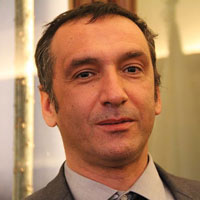 Mr. Degli Esposti is Full Professor at the Department of Computer Science and Engineering, Deputy Rector Alma Mater Studiorum Università di Bologna, Dean of Biblioteca Universitaria di Bologna, Head of Service for the health and safety of people in the workplace, President of the Alma Mater Foundation and Delegate for Rankings.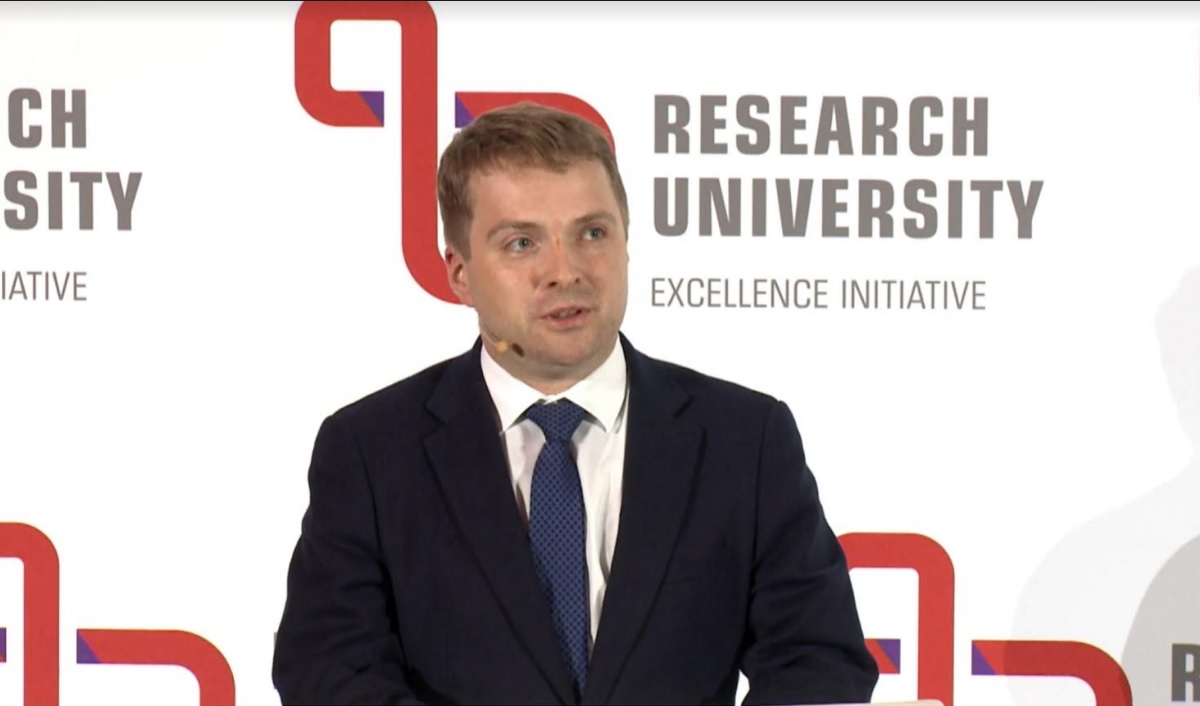
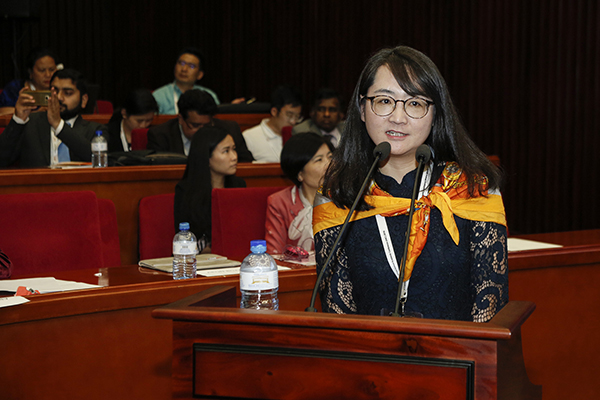
 Ben joined QS in 2002 and has led institutional performance insights function of QS since its emergence following the early success of the QS World University Rankings®. His team is, today, responsible for the operational management of all major QS research projects including the QS World University Rankings® and variants by region and subject. Comprising over 60 people in five international locations, the team also operate a widely adopted university rating system – QS Stars – and a range of commissioned business intelligence and strategic advisory services.Ben has travelled to over 50 countries and spoken on his research in almost 40. He has personally visited over 50 of the world’s top 100 universities amongst countless others and is a regular and sought after speaker on the conference circuit.Ben is married and has two sons; if he had any free time it would be spent reading, watching movies and skiing.
 Anna Urbanovics is a PhD student at Doctoral School of Public Administration Sciences of the University of Public Service, and studies Sociology Master of Arts at the Corvinus University of Budapest. She is graduated in International Security Studies Master of Arts at the University of Public Service. She does research in Scientometrics and International Relations.

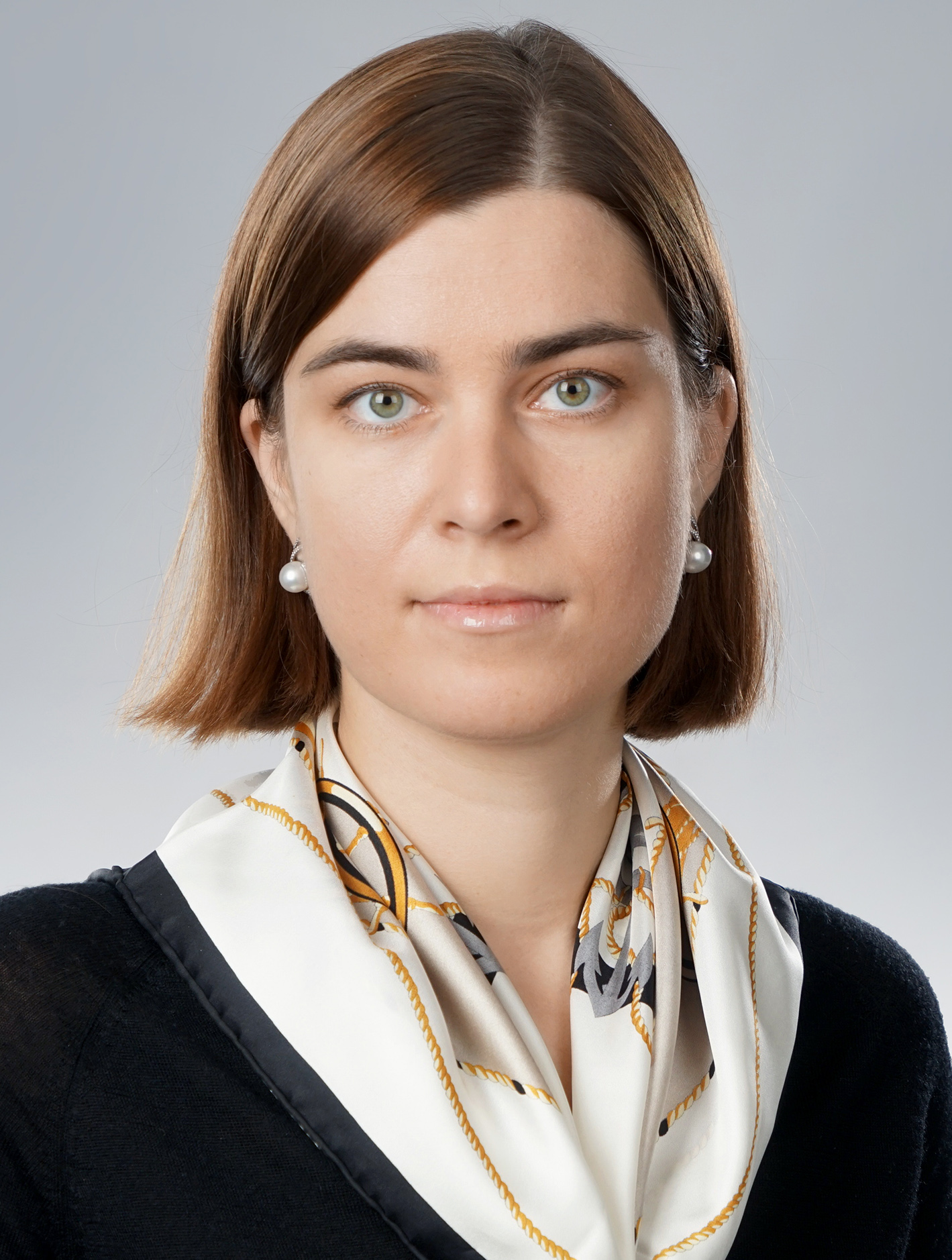
 Dr. Mircea Dumitru is a Professor of Philosophy at the University of Bucharest (since 2004). Rector of the University of Bucharest (since 2011). President of the European Society of Analytic Philosophy (2011 – 2014). Corresponding Fellow of the Romanian Academy (since 2014). Minister of Education and Scientific Research (July 2016 – January 2017). Visiting Professor at Beijing Normal University (2017 – 2022). President of the International Institute of Philosophy (2017 – 2020). President of Balkan Universities Association (2019 – 2020). He holds a PhD in Philosophy at Tulane University, New Orleans, USA (1998) with a topic in modal logic and philosophy of mathematics, and another PhD in Philosophy at the University of Bucharest (1998) with a topic in philosophy of language. Invited Professor at Tulsa University (USA), CUNY (USA), NYU (USA), Lyon 3, ENS Lyon, University of Helsinki, CUPL (Beijing, China), Pekin University (Beijing, China). Main area of research: philosophical logic, metaphysics, and philosophy of language. Main publications: Modality and Incompleteness (UMI, Ann Arbor, 1998); Modalitate si incompletitudine, (Paideia Publishing House, 2001, in Romanian; the book received the Mircea Florian Prize of the Romanian Academy); Logic and Philosophical Explorations (Humanitas, Bucharest, 2004, in Romanian); Words, Theories, and Things. Quine in Focus (ed.) (Pelican, 2009); Truth (ed.) (Bucharest University Publishing House, 2013); article on the Philosophy of Kit Fine, in The Cambridge Dictionary of Philosophy, the Third Edition, Robert Audi (ed.) (Cambridge University Press, 2015), Metaphysics, Meaning, and Modality. Themes from Kit Fine (ed.) (Oxford University Press, forthcoming).
 Since 1 February 2019 Minister Palkovics as Government Commissioner has been responsible for the coordination of the tasks prescribed in Act XXIV of 2016 on the promulgation of the Agreement between the Government of Hungary and the Government of the People’s Republic of China on the development, implementation and financing of the Hungarian section of the Budapest-Belgrade Railway Reconstruction Project.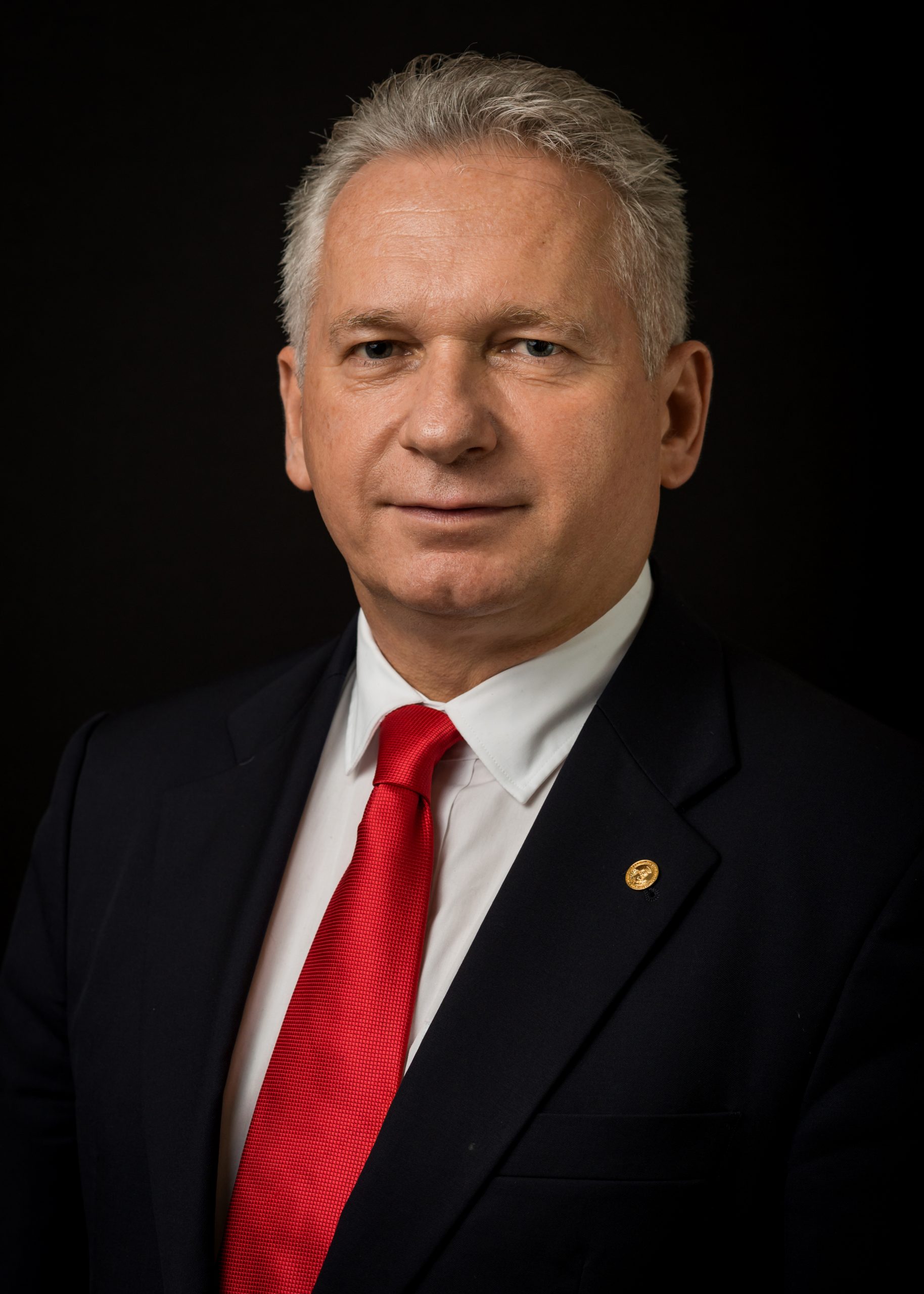
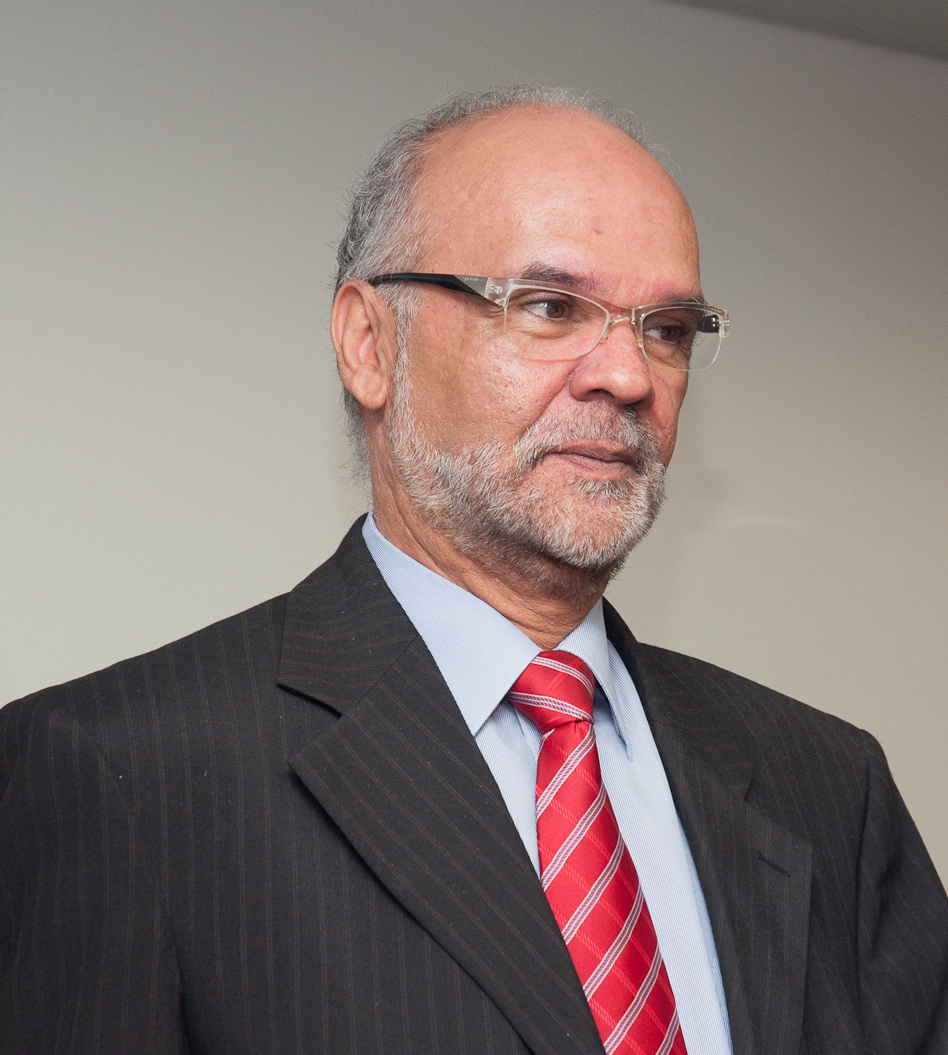
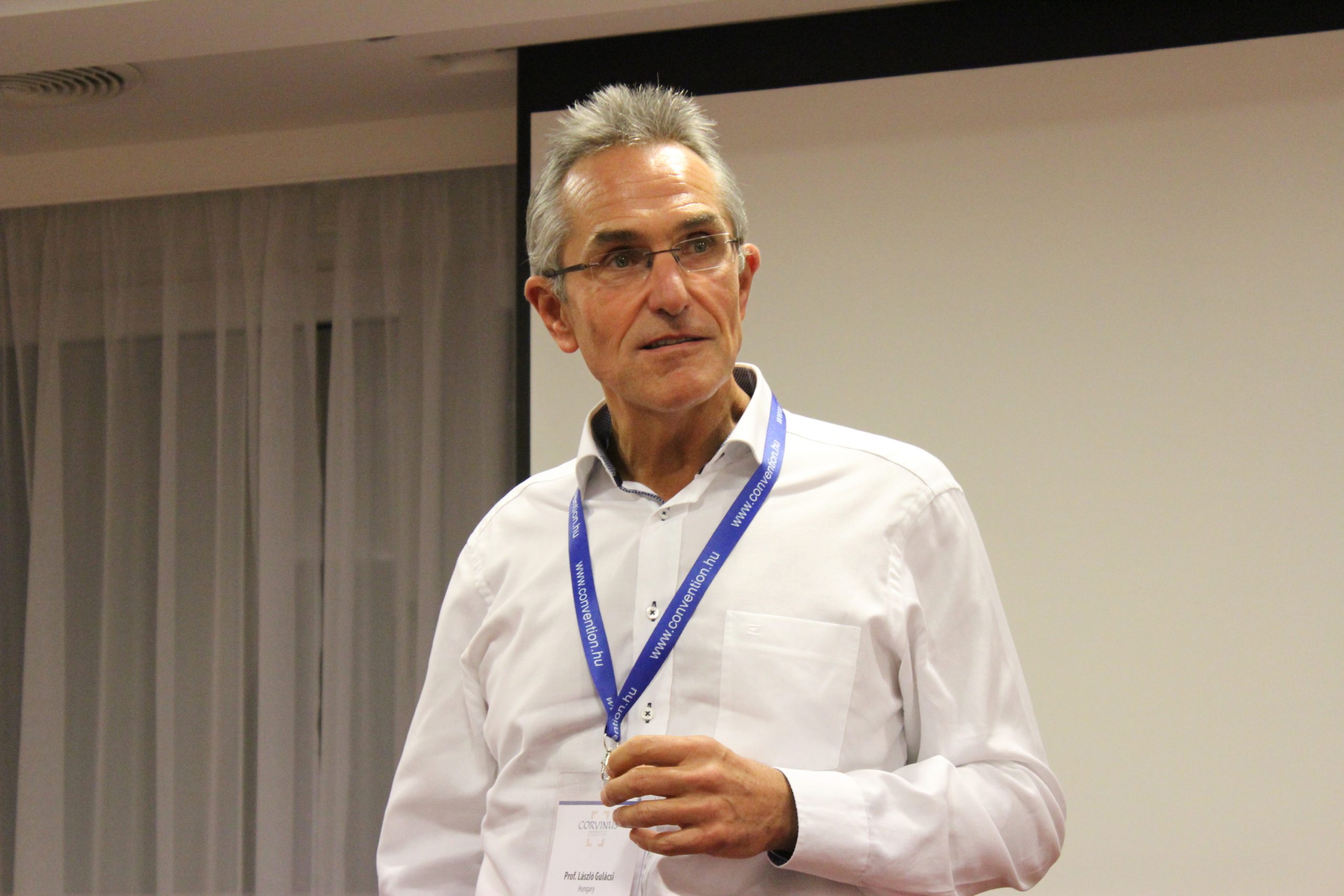 He is the past President of the Health and Health Care Economics Section of the Hungarian Economics Association.

 Based in Berlin, Zuzanna Gorenstein is Head of Project of the German Rectors’ Conference (HRK) service project “International University Rankings” since 2019. Her work at HRK encompasses the conceptual development and implementation of targeted advisory, networking, and communication measures for German universities’ ranking officers. Before joining the HRK, Zuzanna Gorenstein herself served as ranking officer of Freie Universität Berlin.
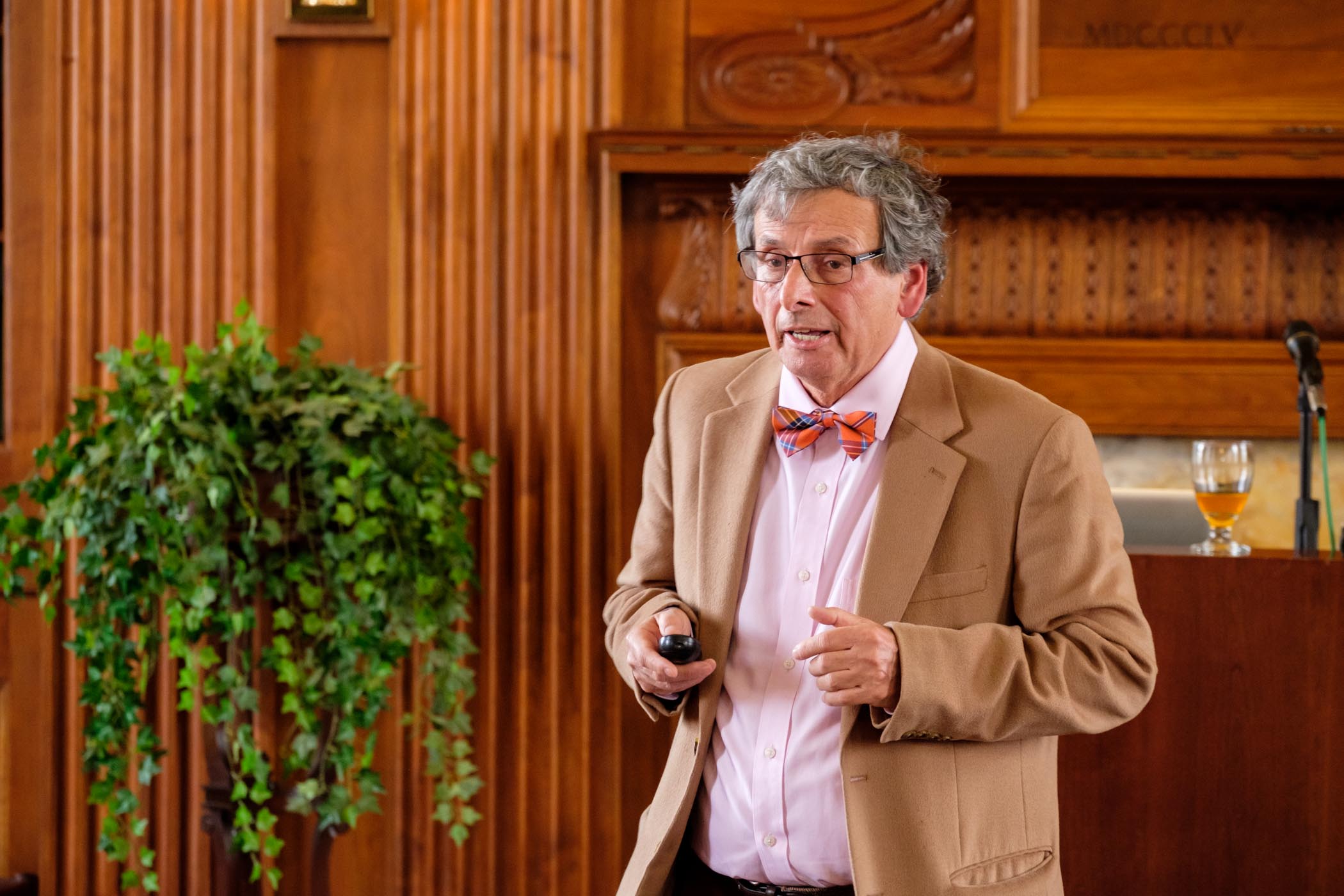 His books on mathematical modeling of chemical, biological, and other complex systems have been published by Princeton University Press, MIT Press, Springer Publishing house. His new book RANKING: The Unwritten Rules of the Social Game We All Play was published recently by the Oxford University Press, and is already under translation for several languages.