Többször is elhangzik mostanság, “melyik a legjobb magyar egyetem?”, hivatkozva különféle rangsorokra. A kérdés értelmezhetetlenségét többhelyütt is bemutattuk már, ehelyett egy használhatóbb felvetést javasolva: miképpen szerepelnek a magyar egyetemek a globális rangsorokban? Ez nyilván csak részben jellemzi a teljesítményüket, sokkal inkább mutatja a mai felsőoktatás leghatékonyabb média-kommunikációs felületén, a rankingekben elfoglalt helyüket.
Ráadásul gyakran ennek a nemzetközi összehasonlításnak a leginkább kétséges értékű formájára, az általános (ún. “overall”) listákra hivatkoznak. Itt a magyar jelenlét a valódi, regionális versenytársakhoz képest így néz ki:
| UNIVERSITY | ARWU | Leiden | THE | QS-World | U.S. News | QS-EEAC |
|---|---|---|---|---|---|---|
| Eötvös Loránd University | X | 732 | 601-800 | 601-651 | 505 | 27 |
| Univeristy of Szeged | X | 651 | 601-800 | 501-551 | 787 | 15 |
| University of Debrecen | X | 702 | 800+ | 651-700 | 559 | 29 |
| Semmelweis University | X | 717 | 501-600 | X | 682 | x |
| Budapest University of Technology and Economics | X | 738 | 601-800 | 701+ | 861 | 22 |
| University of Pécs | X | X | 601-800 | 701+ | 955 | 58 |
| CEU | X | X | 301-350 | X | X | X |
| Corvinus University of Budapest | X | X | X | 701+ | X | 41 |
| University Miskolc | X | X | X | X | X | 82 |
| University of West Hungary | X | X | X | X | X | 151-200 |
Használhatóbb következtetésekhez vezet a szakterületek (ún,. “subject” vagy “field”) vizsgálata. Ezt dolgoztuk fel a legmérvadóbb globális rangsorok (ARWU, THE, QS, U.S. NEWS, Leiden) legutóbbi eredményei alapján.
Azt találtuk, hogy nyolc magyar egyetem (ELTE, Debreceni Egyetem, Budapesti Műszaki és Gazdaságtudományi Egyetem, Szegedi Tudományegyetem, Közép-Európai Egyetem, Semmelweis Egyetem, Pécsi Tudományegyetem, Budapesti Corvinus Egyetem) van jelen érzékelhető mértékben ezeken a listákon (emellett az 1000 intézményt mérő USNEWS listán megjelenik a Miskolci Egyetem és az Nyugat-Magyarországi Egyetem). Valamennyi helyezést figyelebe vettük és a magyar intézmények közötti sorrend alapján pontoztuk (8–első, 7–második stb.). Az így kapott sorrend szerint a subject-rankingek és az overall rankingek helyezései összegzett rangsora:
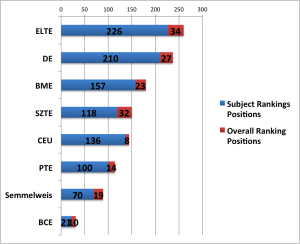
Láthatjuk tehát, hogy az ELTE és a Debreceni Egyetem egyértelműen kiemelkedik a szakterületi ranking-láthatóság tekintetében. A Műegyetem egyértelműen haramadik, míg a Ssegedi Tudományegyetem, a CEU, a Pécsi Tudományegyetem és a Semmelweis hasonló eredményükkel alkotnak csoportot. A BCE van a legkevesebb jelen a globélis rankingek világában.
Ugyanakor az ELTE és a Debreceni Egyetem kivételével meglehetősen egyenetlenek a szakterületi jelenlétek:

Újra hangsúlyozzuk: mindez nem jelent a magyar egyetemek között valódi rangsorolást, hiszen a globális rankingek erre eleve nem alkalmasak, az indikátorok és a számítások sajátosságai miatt. Informatív lehet ugyanakkor a relatív pozíciók alakulása szempontjából a folyamamtokra nézvést.
| UNIVERSITY | COUNTRY | ARWU | Leiden | THE | QS-World | U.S. News |
|---|---|---|---|---|---|---|
| University of Helsinki | Finland | 56 | 93 | 91 | 91 | 91 |
| University of Vienna | Austria | 151-200 | 276 | 161 | 155 | 196 |
| Charles University | Czech Republic | 201-300 | 167 | 401-500 | 302 | 201 |
| University of Beograd | Serbia | 201-300 | 179 | 801+ | 701+ | 423 |
| Vienna University of Technology | Austria | 401-500 | 446 | 251-300 | 183 | 327 |
| Jagiellonian University | Poland | 401-500 | 323 | 601-600 | 431-440 | 364 |
| University of Warsaw | Poland | 401-500 | 462 | 501-600 | 366 | 319 |
| University of Ljubljana | Slovenia | 401-500 | 268 | 601-800 | 601-650 | 433 |
| University of Zagreb | Croatia | 401-500 | 347 | 800+ | 651-700 | 606 |
| Eötvös Loránd University | Hungary | X | 732 | 601-800 | 601-651 | 505 |
| University of Trieste | Italy | X | 734 | 351-400 | 701+ | 186 |
| Univeristy of Szeged | Hungary | X | 651 | 601-800 | 501-551 | 787 |
| University of Debrecen | Hungary | X | 702 | 800+ | 651-700 | 559 |
| Semmelweis University | Hungary | X | 717 | 501-600 | X | 682 |
| Comenius University | Slovakia | X | 704 | 601-800 | 651-701 | 516 |
| Technical University of Graz | Austria | X | 716 | 351-400 | X | 660 |
| Palacky University | Czech Republic | X | 718 | 601-800 | 651-700 | 494 |
| Babes-Bolyai University | Romania | X | 816 | 601-800 | 701+ | 569 |
| Budapest University of Technology and Economics | Hungary | X | 738 | 601-800 | 701+ | 861 |
| Sofia University | Bulgaria | X | X | 800+ | 651-700 | 676 |
| University of Bucharest | Romania | X | X | 800+ | 701+ | 733 |
| University of Pécs | Hungary | X | X | 601-800 | 701+ | 955 |
| CEU | Hungary | X | X | 301-350 | X | X |
| Corvinus University of Budapest | Hungary | X | X | X | 701+ | X |
Végezetül közöljülk a számítások háttér-táblázatát:
| Subject Rankings magyar intézmények összesítve | |||||||||
|---|---|---|---|---|---|---|---|---|---|
| ELTE | DE | BME | SZTE | Semmelwei | CEU | PTE | BCE | ||
| ARWU | |||||||||
| Physics | 101-150 | ||||||||
| Leiden | |||||||||
| Bioedical and Health | 712 | 438 | 790 | 454 | 329 | ||||
| Life and Earth | 444 | 593 | 656 | ||||||
| Math and Computer Sciences | 444 | 256 | 617 | ||||||
| Physical science andEngineering | 592 | 719 | 403 | 606 | |||||
| Social Sciences and Humanities | 545 | 681 | 652 | 664 | |||||
| QS | |||||||||
| Social Sciences & Management | 233 | 451-500 | |||||||
| Economics & Econometrics | 151-200 | 301-350 | |||||||
| Business & Management Studies (2015-től) | 251-300 | ||||||||
| Law | 151-200 | ||||||||
| Politics & International Studies | 42 | ||||||||
| Social Policy (2016-tól) | 51-100 | ||||||||
| Sociology | 51-100 | ||||||||
| Natural Sciences | 396 | 451-500 | 451-500 | ||||||
| Physics & Astronomy | 401-450 | 351-400 | |||||||
| Mathematics | 251-300 | 251-300 | |||||||
| Chemistry | 401-450 | 301-350 | 401-450 | ||||||
| Materials Science | 251-300 | ||||||||
| Engineering&IT | 322 | ||||||||
| Computer Science | 451-500 | 301-350 | |||||||
| Engineering - Electrical & Electronic | |||||||||
| Engineering - Mechanical, Aeronautical & Manufacturing | 251-300 | ||||||||
| Chemistry | 451-500 | ||||||||
| Arts&Humanities | 401-450 | 194 | |||||||
| Archaeology (2016-tól) | 101-150 | ||||||||
| English language&literature | 251-300 | ||||||||
| History | 101-150 | ||||||||
| Linguistics | 151-200 | 201-250 | |||||||
| Modern Languages | 251-300 | ||||||||
| Philosophy | 51-100 | ||||||||
| Life Sciences | 401-450 | 451-500 | 262 | ||||||
| Medicine | 201-250 | 301-350 | 151-200 | 251-300 | |||||
| Agriculture & Forestry | 151-200 | 151-200 | 151-200 | 201-250 | |||||
| Biological Sciences | 401-450 | 301-350 | 401-500 | ||||||
| Pharmacy & Pharmacology | 151-200 | 201-250 | 101-150 | ||||||
| THE | |||||||||
| Agriculture and forestry | 801+ | 601-800 | |||||||
| Architechure | 601-800 | 601-800 | |||||||
| Bilogical Science | 601-800 | 801+ | 601-800 | ||||||
| Business and management | 301-350 | 601-800 | |||||||
| Chemical Engineering | 801+ | 601-800 | |||||||
| Civil engineering | 601-800 | 601-800 | |||||||
| Communication and Media | 801+ | ||||||||
| Computer Science | 601-800 | 801+ | 301-350 | 601-800 | |||||
| Economics | 601-800 | 601-800 | 301-350 | ||||||
| Education | 601-800 | 801+ | |||||||
| Electrical and electronic engineering | 801+ | 601-800 | |||||||
| General Engineering | 801+ | 601-800 | 601-800 | 601-800 | |||||
| Geography | 801+ | 601-800 | |||||||
| Geology, enviromental | 601-800 | 801+ | 601-800 | ||||||
| History, philosophy, theology | 601-800 | 801+ | 301-350 | ||||||
| Languages and linguistic | 801+ | ||||||||
| Law | 601-800 | 801+ | |||||||
| Mathematics and Statistic | 601-800 | 801+ | 301-350 | 601-800 | |||||
| Mechanical and aeroscpae engineering | 601-800 | 801+ | 601-800 | ||||||
| Medicine and Denistry | 801+ | 601-800 | 501-600 | ||||||
| Other health | 801+ | 601-800 | 601-800 | 501-600 | 601-800 | ||||
| Physics and Astronomy | 601-800 | 801+ | 601-800 | ||||||
| Politics and international science | 801+ | 301-350 | |||||||
| Psychology | 601-800 | 801+ | 601-800 | ||||||
| Sociology | 601-800 | 801+ | 601-800 | 301-350 | |||||
| Sport Science | 801+ | 601-800 | |||||||
| USNEWS | |||||||||
| Biology and Biochemistry | 387 | 371 | |||||||
| Clinical Medicine | 191 | ||||||||
| Plant and Animal Science | 258 | ||||||||
| Chemistry | 391 |
 Dr. habil György Fábri (1964) is an habilitated associate professor (Institute of research on Adult Education and Knowledge Management, Faculty of Education and Psychology of Eötvös Loránd University), head of the Social Communication Research Group. Areas of research: university philosophy, sociology of higher education and science, science communication, social communication, church sociology. His monograph was published on the transformation of Hungarian higher education during the change of regime (1992 Wien) and on university rankings (2017 Budapest). He has edited several scientific journals, and his university courses and publications cover communication theory, university philosophy, science communication, social representation, media and social philosophy, ethics, and church sociology.
 Mr. Degli Esposti is Full Professor at the Department of Computer Science and Engineering, Deputy Rector Alma Mater Studiorum Università di Bologna, Dean of Biblioteca Universitaria di Bologna, Head of Service for the health and safety of people in the workplace, President of the Alma Mater Foundation and Delegate for Rankings.
 Ben joined QS in 2002 and has led institutional performance insights function of QS since its emergence following the early success of the QS World University Rankings®. His team is, today, responsible for the operational management of all major QS research projects including the QS World University Rankings® and variants by region and subject. Comprising over 60 people in five international locations, the team also operate a widely adopted university rating system – QS Stars – and a range of commissioned business intelligence and strategic advisory services.Ben has travelled to over 50 countries and spoken on his research in almost 40. He has personally visited over 50 of the world’s top 100 universities amongst countless others and is a regular and sought after speaker on the conference circuit.Ben is married and has two sons; if he had any free time it would be spent reading, watching movies and skiing.
 Anna Urbanovics is a PhD student at Doctoral School of Public Administration Sciences of the University of Public Service, and studies Sociology Master of Arts at the Corvinus University of Budapest. She is graduated in International Security Studies Master of Arts at the University of Public Service. She does research in Scientometrics and International Relations.

 Dr. Mircea Dumitru is a Professor of Philosophy at the University of Bucharest (since 2004). Rector of the University of Bucharest (since 2011). President of the European Society of Analytic Philosophy (2011 – 2014). Corresponding Fellow of the Romanian Academy (since 2014). Minister of Education and Scientific Research (July 2016 – January 2017). Visiting Professor at Beijing Normal University (2017 – 2022). President of the International Institute of Philosophy (2017 – 2020). President of Balkan Universities Association (2019 – 2020). He holds a PhD in Philosophy at Tulane University, New Orleans, USA (1998) with a topic in modal logic and philosophy of mathematics, and another PhD in Philosophy at the University of Bucharest (1998) with a topic in philosophy of language. Invited Professor at Tulsa University (USA), CUNY (USA), NYU (USA), Lyon 3, ENS Lyon, University of Helsinki, CUPL (Beijing, China), Pekin University (Beijing, China). Main area of research: philosophical logic, metaphysics, and philosophy of language. Main publications: Modality and Incompleteness (UMI, Ann Arbor, 1998); Modalitate si incompletitudine, (Paideia Publishing House, 2001, in Romanian; the book received the Mircea Florian Prize of the Romanian Academy); Logic and Philosophical Explorations (Humanitas, Bucharest, 2004, in Romanian); Words, Theories, and Things. Quine in Focus (ed.) (Pelican, 2009); Truth (ed.) (Bucharest University Publishing House, 2013); article on the Philosophy of Kit Fine, in The Cambridge Dictionary of Philosophy, the Third Edition, Robert Audi (ed.) (Cambridge University Press, 2015), Metaphysics, Meaning, and Modality. Themes from Kit Fine (ed.) (Oxford University Press, forthcoming).
 Since 1 February 2019 Minister Palkovics as Government Commissioner has been responsible for the coordination of the tasks prescribed in Act XXIV of 2016 on the promulgation of the Agreement between the Government of Hungary and the Government of the People’s Republic of China on the development, implementation and financing of the Hungarian section of the Budapest-Belgrade Railway Reconstruction Project.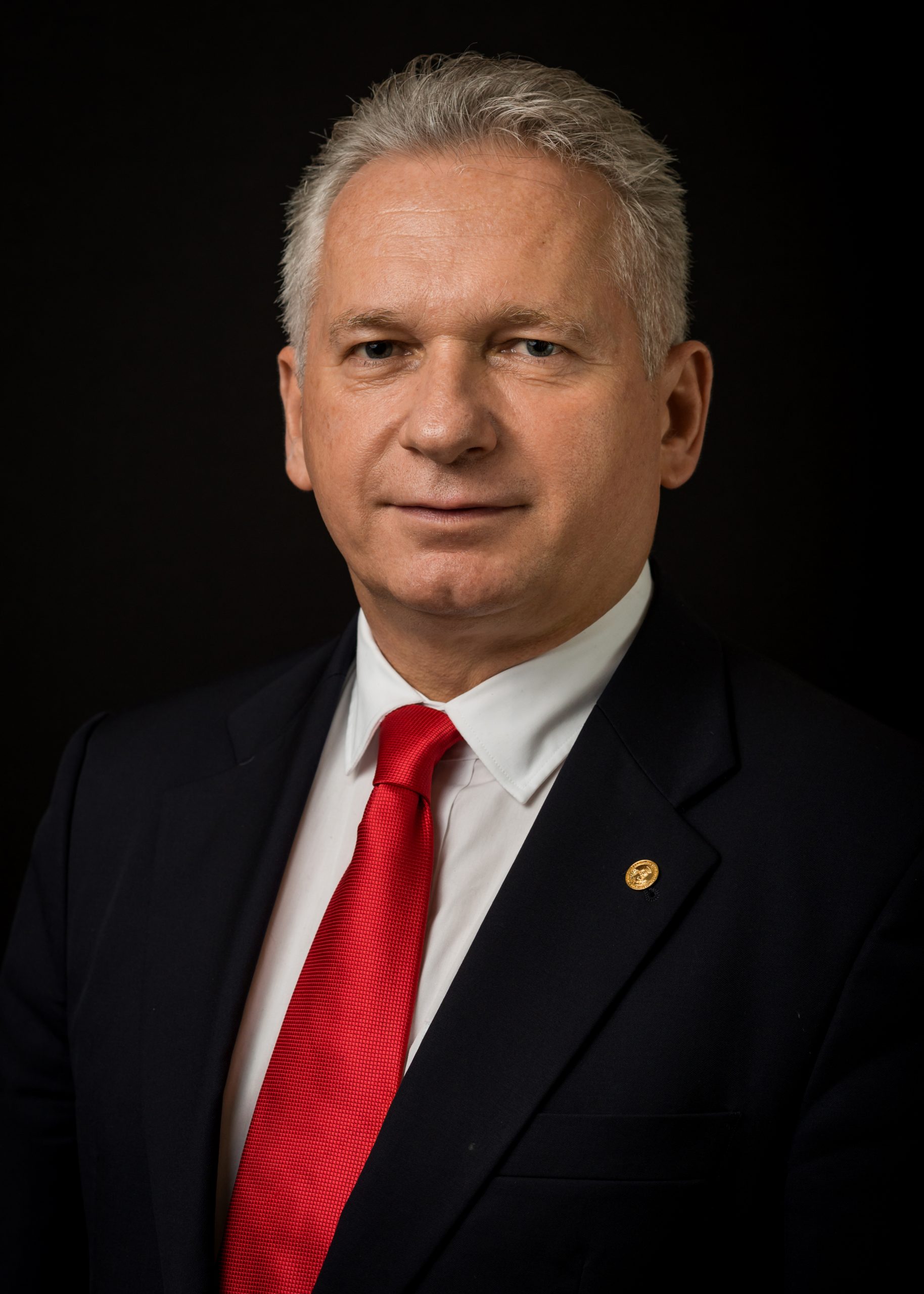

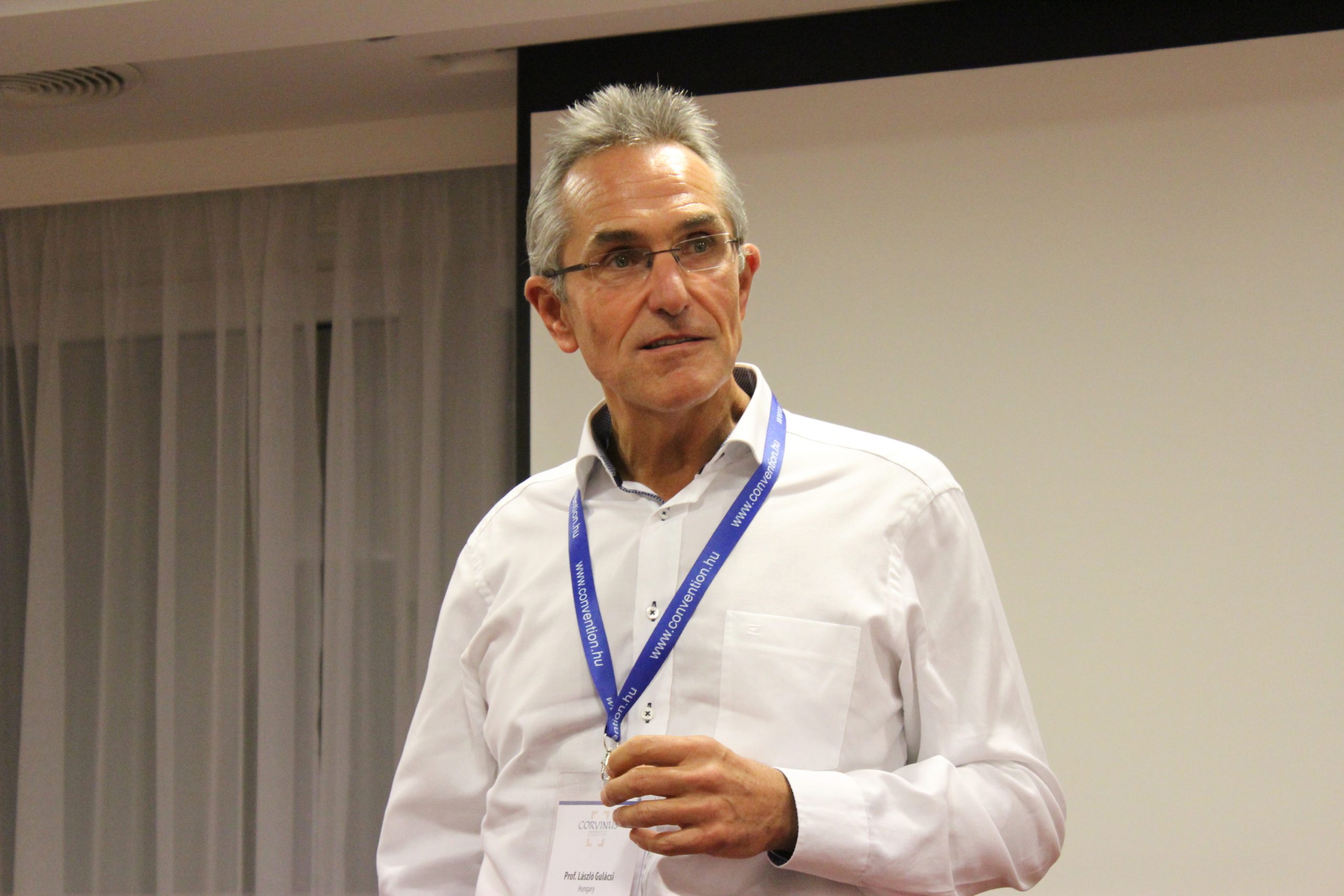 He is the past President of the Health and Health Care Economics Section of the Hungarian Economics Association.

 Based in Berlin, Zuzanna Gorenstein is Head of Project of the German Rectors’ Conference (HRK) service project “International University Rankings” since 2019. Her work at HRK encompasses the conceptual development and implementation of targeted advisory, networking, and communication measures for German universities’ ranking officers. Before joining the HRK, Zuzanna Gorenstein herself served as ranking officer of Freie Universität Berlin.
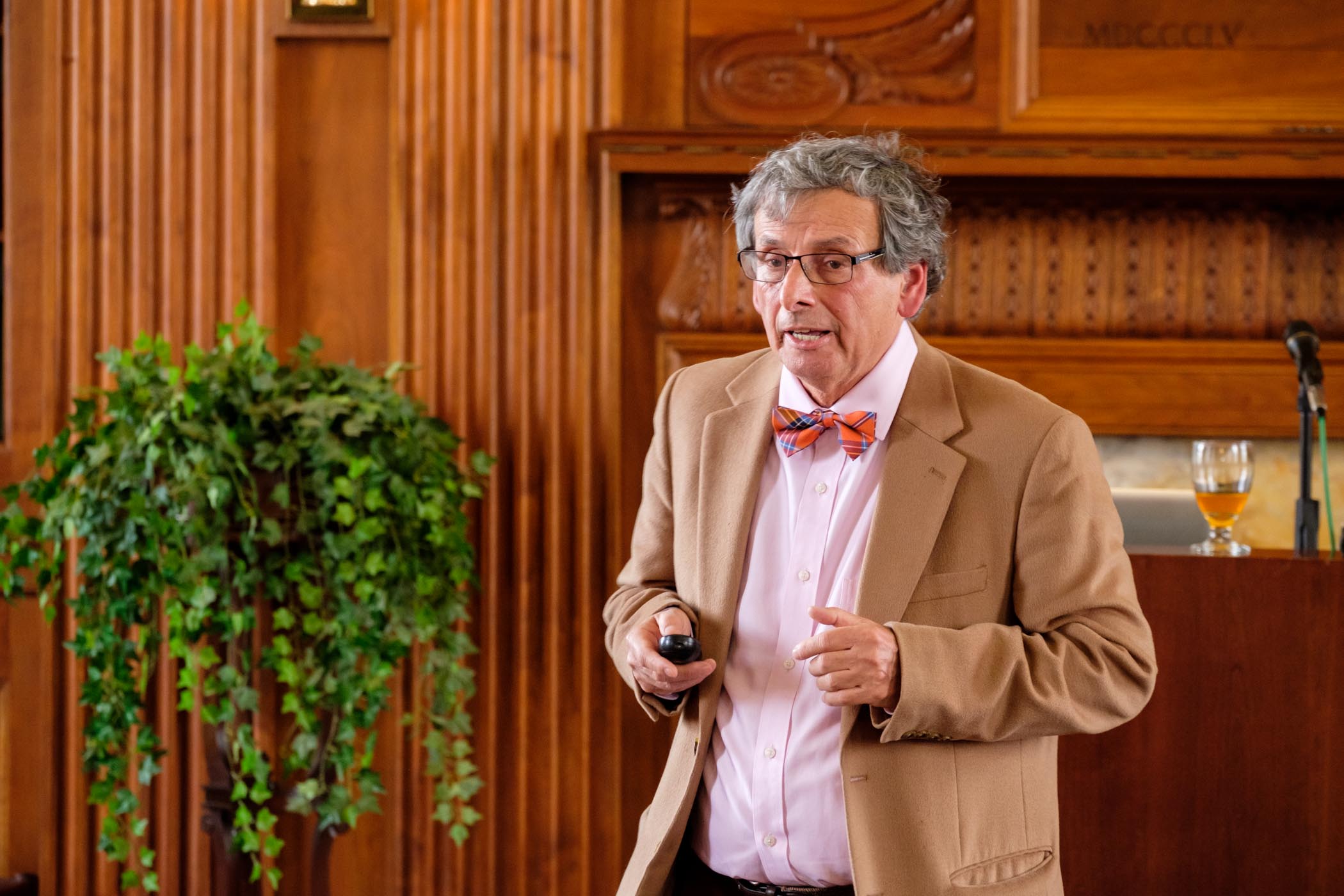 His books on mathematical modeling of chemical, biological, and other complex systems have been published by Princeton University Press, MIT Press, Springer Publishing house. His new book RANKING: The Unwritten Rules of the Social Game We All Play was published recently by the Oxford University Press, and is already under translation for several languages.