A Diploma 2022 kiadvány alapját képező UnivPress-rangsorok módszertanának két fő alapelve a sok szempontú rangsorolás és a módszertani alaposság, hitelesség. A sokszempontúság azt jelenti, hogy nincs minden általánosan „legjobb” vagy „legrosszabb” intézmény, az egyetemeket, főiskolákat ezért érdemes több releváns és mérhető mutató alapján összehasonlítani. Az alapossághoz és hitelességhez az szükséges, hogy a rangsorok pontos és hiteles adatszolgáltatás, szakmailag megalapozott statisztikai adatgyűjtés és kutatásmódszertan alapján készüljenek.
A rangsorokhoz felhasznált jelentkezői-felvételi adatbázis a 2020. augusztusi-szeptemberi adatokat tartalmazza, így az azt követően is folyamatos elbírálás alatt lévő fellebbezésekből eredő kisebb, néhány fős változások nem jelennek meg az adatsorokban.
Adatforrás:
Jelentkezési és felvételi adatok (2021): Emberi Erőforrások Minisztériuma- Oktatási Hivatal FIR
Adattípusok – Jelentkezők és felvettek
Rangsorunkban az általános felvételi eljárás során alap vagy osztatlan képzésre és nappali munkarendre első helyen jelentkezők, valamint alap vagy osztatlan képzésre és nappali munkarendre felvettek (nem csak az első helyen felvettek) a rangsor-indikátoroknak megfelelő adatait használtuk.
| Felhasznált adat | Az adat leírása (év, tanév) | Forrás |
| Elsőhelyes jelentkezők száma | Az általános eljárás során az intézményt a felvételi lapon első helyen megjelölő, alap- vagy osztatlan nappali képzésre (AON) jelentkezők száma (2021) | EMMI-OH FIR* |
| Felvettek pontátlaga (bekerülési pontszám) | Az AON-felvettek által elért pontszámok számtani átlaga (2021) | EMMI-OH FIR* |
| Nyelvvizsgával felvettek aránya | Államilag elismert (B2 komplex vagy C1 komplex, illetve azzal egyenértékű vagy magasabb szintű) nyelvvizsgával, illetve ennek megfelelő, emelt szintű nyelvi érettségivel rendelkező AON-felvettek aránya az összes AON-felvetteken belül (2021) | EMMI-OH FIR* |
| Középiskolai versenyen helyezettek száma | A középiskolai tanulmányi versenyeken kiemelkedő – felvételi többletpontot érő – helyezést elért AON-felvettek száma (2021) | EMMI-OH FIR* |
*Emberi Erőforrások Minisztériuma – Oktatási Hivatal
A rangsorok képzése – alapszakos rangsorok
Az adott szakon oktató összes kar adatalapú, az Oktatási Hivatal adatbázisain alapuló, hallgatói mutatókra épülő rangsorai. Rangsorolt szakok: alapképzések, valamint egységes, osztatlan képzések esetében képzésterületenként általában a legtöbb első helyes, nappali munkarendű jelentkezőt vonzó szakok. Kiadványunk nem tartalmazza az összes alapszakot.
Rangsorszámítás
Az egyes alrangsorokat az indikátorok numerikus értékének egyszerű összevetéséből számítjuk ki, az értékek közötti sorrendet képezve, függetlenül az érétkek közti különbségek mértékétől. Az első helyes jelentkezők száma, a középiskolai versenyeken helyezést elértek száma és a bekerülési pontok átlaga esetében a nagyobb szám jelent jobb rangsor-helyet. A nyelvvizsgával felvettek aránya esetében a magasabb arányszám jelent jobb rangsor-helyet.
Az összesítetti rangsorok mindig az egyes alrangsorok helyezéseinek összesítésén alapulnak, súlyozás nélkül.
A rangsorok kidolgozásában közreműködők
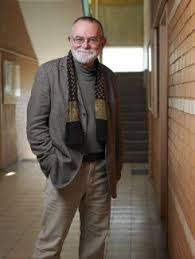
A rangsor elméleti megalapozását kidolgozta és az összeállítás szakmai vezetője, a kiadvány szakmai szerkesztője, az elemzések készítője Fábri György (Disclaimer: az ELTE PPK oktatója).
 Dr. habil György Fábri (1964) is an habilitated associate professor (Institute of research on Adult Education and Knowledge Management, Faculty of Education and Psychology of Eötvös Loránd University), head of the Social Communication Research Group. Areas of research: university philosophy, sociology of higher education and science, science communication, social communication, church sociology. His monograph was published on the transformation of Hungarian higher education during the change of regime (1992 Wien) and on university rankings (2017 Budapest). He has edited several scientific journals, and his university courses and publications cover communication theory, university philosophy, science communication, social representation, media and social philosophy, ethics, and church sociology.
 Mr. Degli Esposti is Full Professor at the Department of Computer Science and Engineering, Deputy Rector Alma Mater Studiorum Università di Bologna, Dean of Biblioteca Universitaria di Bologna, Head of Service for the health and safety of people in the workplace, President of the Alma Mater Foundation and Delegate for Rankings.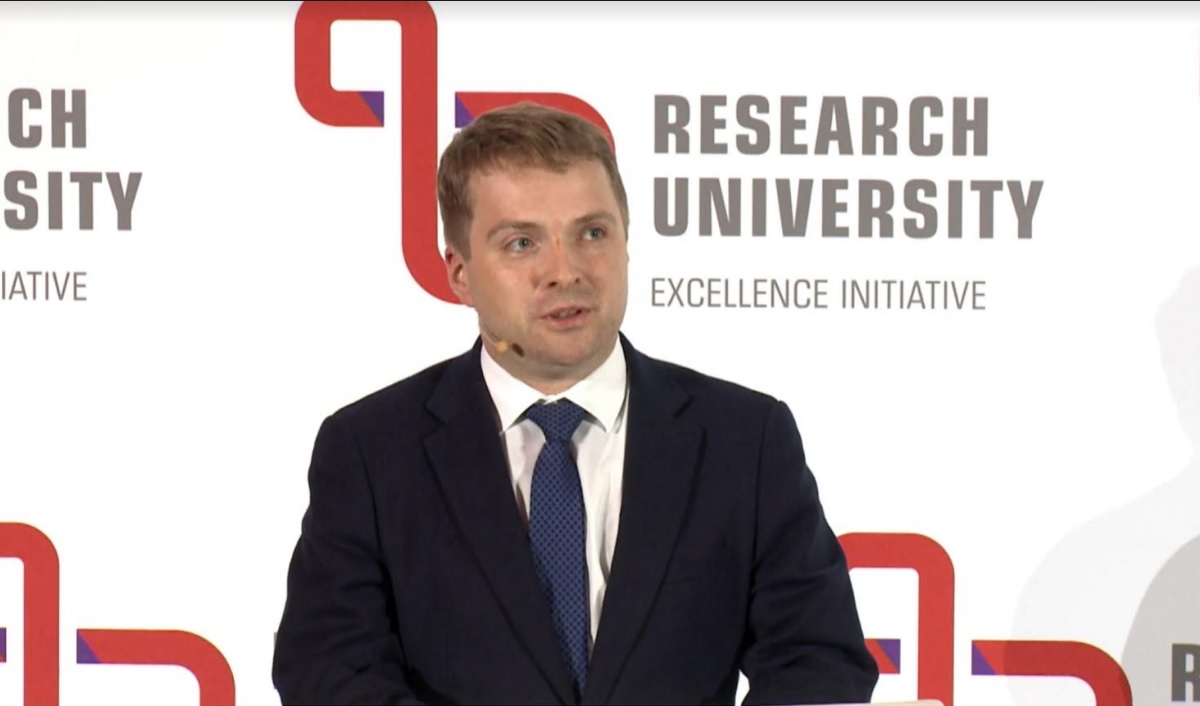
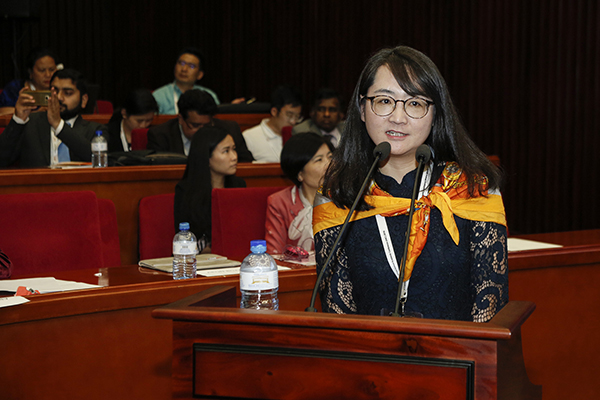
 Ben joined QS in 2002 and has led institutional performance insights function of QS since its emergence following the early success of the QS World University Rankings®. His team is, today, responsible for the operational management of all major QS research projects including the QS World University Rankings® and variants by region and subject. Comprising over 60 people in five international locations, the team also operate a widely adopted university rating system – QS Stars – and a range of commissioned business intelligence and strategic advisory services.Ben has travelled to over 50 countries and spoken on his research in almost 40. He has personally visited over 50 of the world’s top 100 universities amongst countless others and is a regular and sought after speaker on the conference circuit.Ben is married and has two sons; if he had any free time it would be spent reading, watching movies and skiing.
 Anna Urbanovics is a PhD student at Doctoral School of Public Administration Sciences of the University of Public Service, and studies Sociology Master of Arts at the Corvinus University of Budapest. She is graduated in International Security Studies Master of Arts at the University of Public Service. She does research in Scientometrics and International Relations.

 Dr. Mircea Dumitru is a Professor of Philosophy at the University of Bucharest (since 2004). Rector of the University of Bucharest (since 2011). President of the European Society of Analytic Philosophy (2011 – 2014). Corresponding Fellow of the Romanian Academy (since 2014). Minister of Education and Scientific Research (July 2016 – January 2017). Visiting Professor at Beijing Normal University (2017 – 2022). President of the International Institute of Philosophy (2017 – 2020). President of Balkan Universities Association (2019 – 2020). He holds a PhD in Philosophy at Tulane University, New Orleans, USA (1998) with a topic in modal logic and philosophy of mathematics, and another PhD in Philosophy at the University of Bucharest (1998) with a topic in philosophy of language. Invited Professor at Tulsa University (USA), CUNY (USA), NYU (USA), Lyon 3, ENS Lyon, University of Helsinki, CUPL (Beijing, China), Pekin University (Beijing, China). Main area of research: philosophical logic, metaphysics, and philosophy of language. Main publications: Modality and Incompleteness (UMI, Ann Arbor, 1998); Modalitate si incompletitudine, (Paideia Publishing House, 2001, in Romanian; the book received the Mircea Florian Prize of the Romanian Academy); Logic and Philosophical Explorations (Humanitas, Bucharest, 2004, in Romanian); Words, Theories, and Things. Quine in Focus (ed.) (Pelican, 2009); Truth (ed.) (Bucharest University Publishing House, 2013); article on the Philosophy of Kit Fine, in The Cambridge Dictionary of Philosophy, the Third Edition, Robert Audi (ed.) (Cambridge University Press, 2015), Metaphysics, Meaning, and Modality. Themes from Kit Fine (ed.) (Oxford University Press, forthcoming).
 Since 1 February 2019 Minister Palkovics as Government Commissioner has been responsible for the coordination of the tasks prescribed in Act XXIV of 2016 on the promulgation of the Agreement between the Government of Hungary and the Government of the People’s Republic of China on the development, implementation and financing of the Hungarian section of the Budapest-Belgrade Railway Reconstruction Project.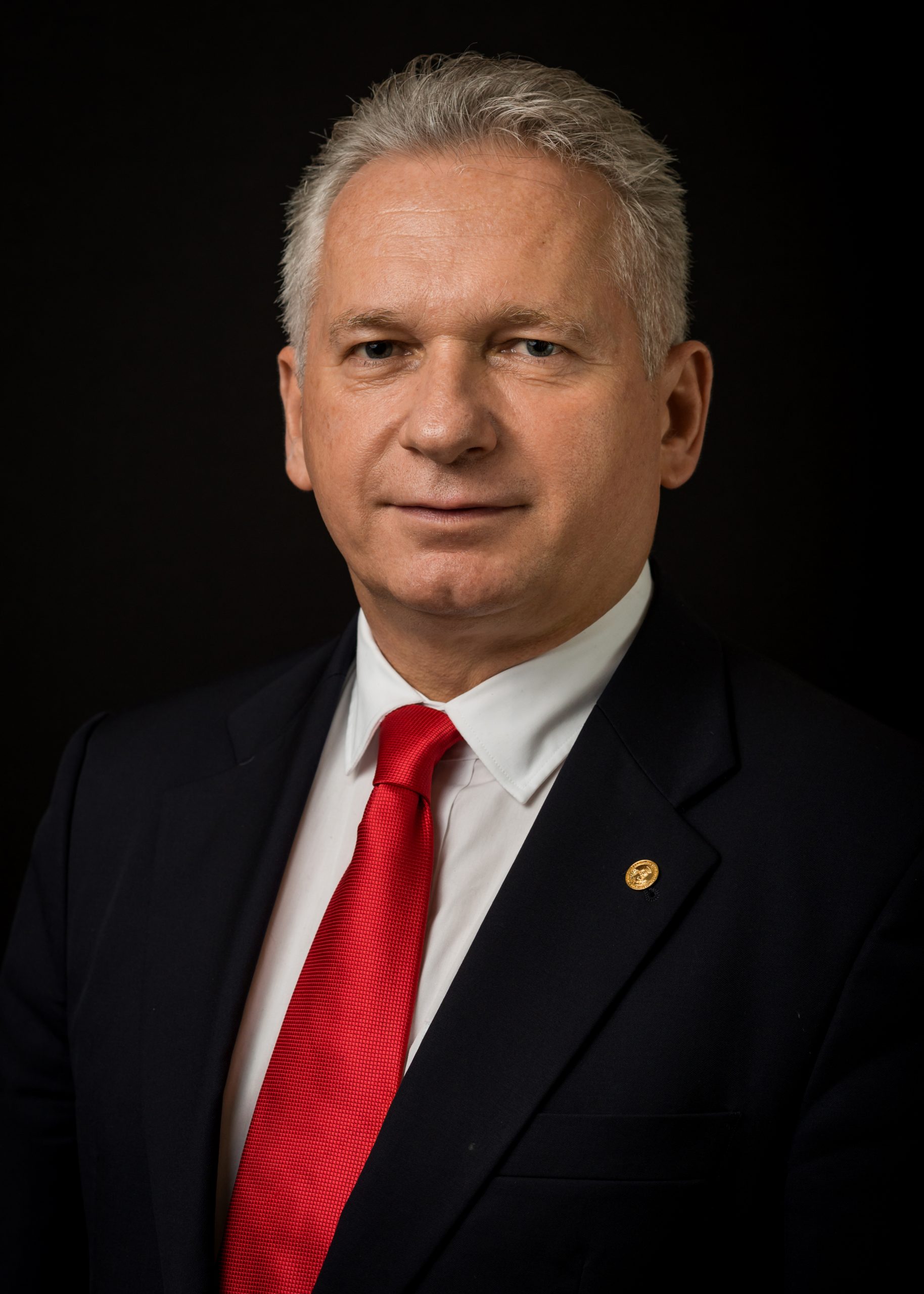

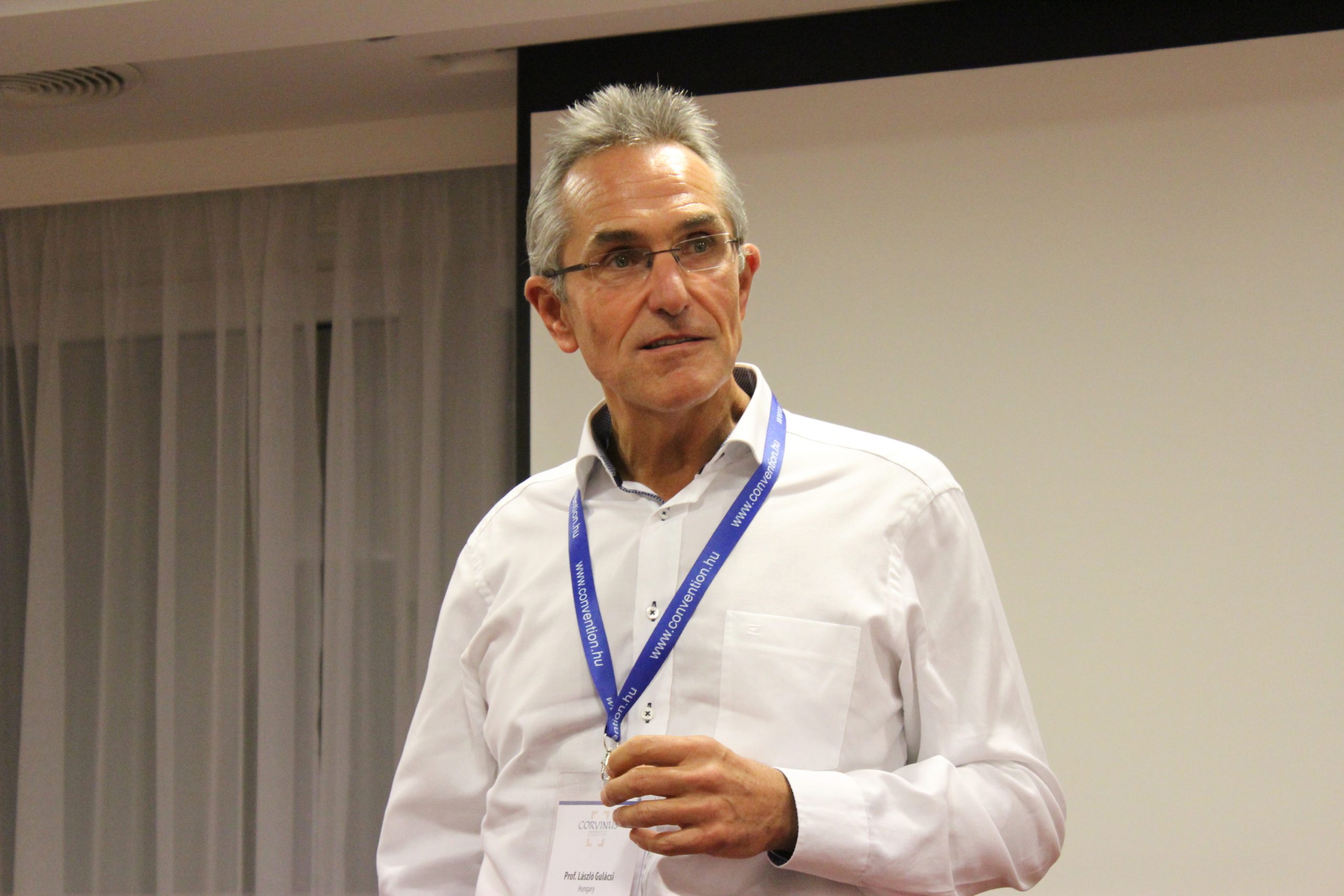 He is the past President of the Health and Health Care Economics Section of the Hungarian Economics Association.

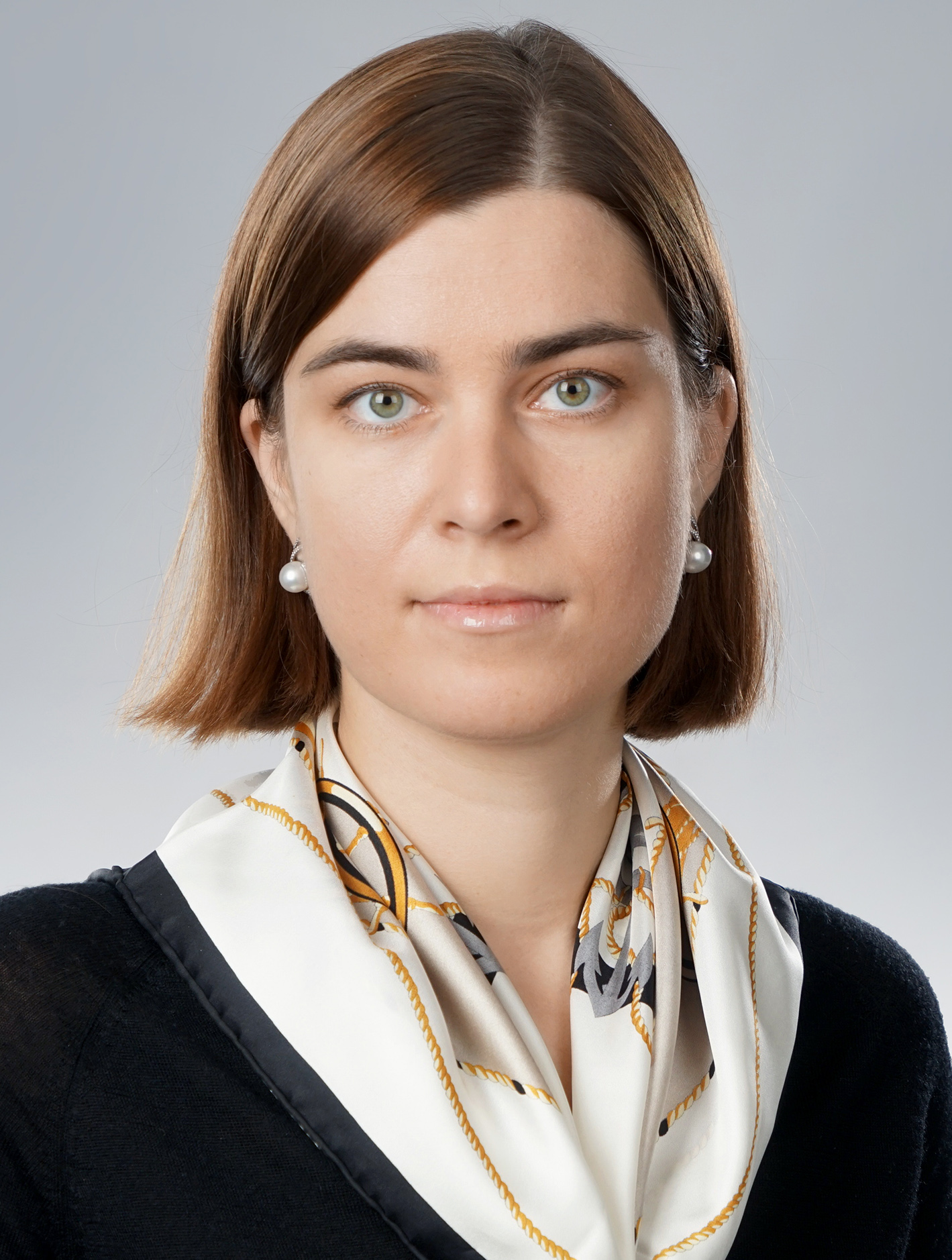
 Based in Berlin, Zuzanna Gorenstein is Head of Project of the German Rectors’ Conference (HRK) service project “International University Rankings” since 2019. Her work at HRK encompasses the conceptual development and implementation of targeted advisory, networking, and communication measures for German universities’ ranking officers. Before joining the HRK, Zuzanna Gorenstein herself served as ranking officer of Freie Universität Berlin.
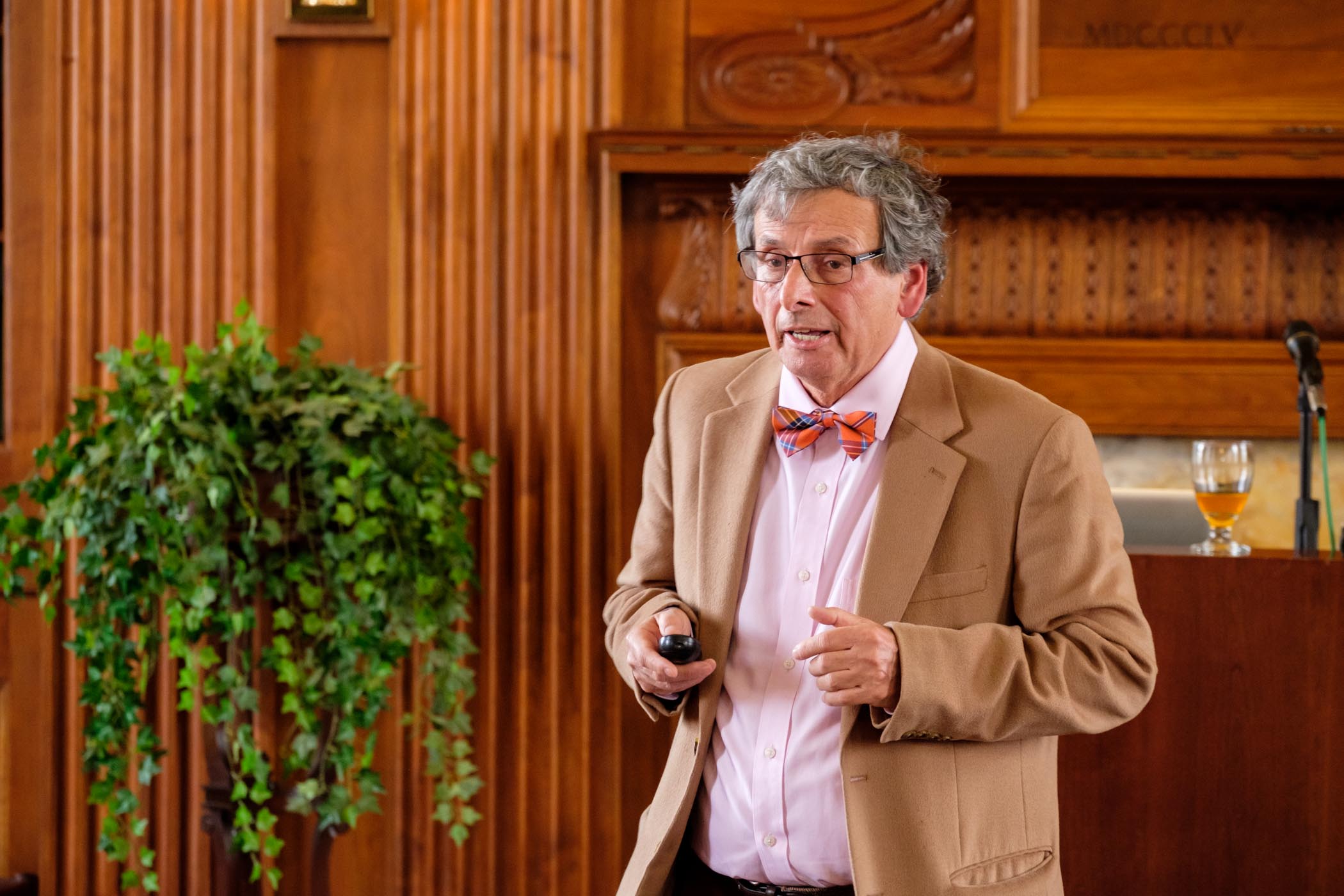 His books on mathematical modeling of chemical, biological, and other complex systems have been published by Princeton University Press, MIT Press, Springer Publishing house. His new book RANKING: The Unwritten Rules of the Social Game We All Play was published recently by the Oxford University Press, and is already under translation for several languages.