/Part of Volume “Measured or Communicated? – University Rankings as the Media Representations of Higher Education” by Gyorgy Fabri
My argument therefore is based on the notion competence hat there has been a much wider change in the social perception of the rankings, which points far beyond the issue of rankings. The professional (scientific and educational) performance of universities had been acknowledged by a social consensus several hundreds of years old as part of the competence of the academic world – and this changed drastically by the end of the 20th century. And this is not obvious in the sense that it is quite difficult to give an answer within higher education to the question why the professional activities of a university professor or a student wishing to study should be measured using performance evaluation patterns which have nothing to do with scientific merits, and the cognitive or pedagogic-psychological success of knowledge transfer. Naturally, I am not questioning the legitimacy of measurement the thrift or efficiency by the institutions giving the frame for such evaluation. However, the quality level of university work is based on the universities’ thousand-year old traditions and radical renewing powers in creating, forming, conserving and transferring knowledge. Compared to this, expert analyses, lengthy reports and characterisations based on incidental indices may appear rather flimsy.

This change was not solely brought about by the spread of rankings, but it was the rankings against which the traditional academic value-protective conservatisms lined up most spectacularly, which gives refuge to teaching and research excellence, the workshops of value creation and knowledge transfer and organic institutional development. (Of course, it quite often endorses privileges, personal or group interests, and protects power positions with access to resources – however these are but the anomalies of the structure, and they do not affect the organisational theory itself.) External points of view are not only insufficiently clear but appear to be a priori inadequate. Sometimes current intellectual fashions show up, and the effect of social phenomena (legalisation, medialisation, fiscal one-sidedness, the state’s fluctuating search for a role, etc.) interpretable in dimensions other than that of the educational-scientific “life-world” can increasingly be felt. Newer solutions for institutional accreditation, measuring the normative elements of financing, institutional evaluations, spreading TQM and other quality management methods all mean a break-away from the traditional infernal evaluation systems of the academic world. Accreditation in the meantime has become a more-or-less accepted form of qualification, because its determining actors are at the same time participants of the academic world. All this is primarily true for continental Europe (especially in Hungary, because here, due to the small size of the higher educational and scientific sphere, there was a kind of “self-accreditation”, which was modified by a considerable government intrusion). As for the Anglo-Saxon world, the use of accreditation agencies means a more “market-oriented” mechanism.
From the point of view of social communication, these phenomena are the “meta-levels” of higher educational discourse, in other words, its judgement coming from outside the traditional world of universities. It is characteristic which players of the world of universities have reservations regarding such experiments: the creative and esteemed professors, workshops representing the traditions and spirit of European universities, indispensable and professional masters of various fields, the maintainers of research-educational programmes with domestic and international acknowledgement, experts creating value for the institutions and contributors of the economic and community life, or the operators of university and college managements. The primary measurement of their work is indeed knowledge, research results, a creative spirit, a successful seminar, or a useful innovation. It is the professional community, the cooperating circle of colleagues and students, and those ordering research-development projects that are primarily and eventually capable of evaluating these on the basis of the knowledge principles.
A deeper higher educational transformation process can be recognised in all of the above, the central dilemma of which are the traditional (“internal”, scientific, academic, etc.) quality-qualification routines, and behind them, the transformation of the traditional higher educational function versus the possible realisation of values and interests attached to it even after the appearance of more and more “external” participants. The opposing “Glass Bead Game” and “knowledge factory” illustrates well the main issue while placing it in a century-old perspective. We may interpret the ranking debate as a stage in the struggles for university autonomy ongoing from the start; however, this is no struggle against ideological-state authority indoctrinations. A differentiating characteristic of ranking-type evaluations as opposed to earlier autonomy-narrowing processes is that, on the one hand, they are far more considerate since the ideological-personal pressure does not come from an institutionalised power position, on the other hand, they go way deeper than even the totalitarian regimes, as they transform the basic structure of the evaluation process itself.
Obviously, it would be neither sensible, nor fair to associate the external endeavours of higher education evaluation with the aggression of the Nazi or Bolshevik states. Moreover, the underlying logic is actually quite different. These systems weighed down on the institutions mainly with an ideological coating and personal-authoritative regulations, while they questioned the logic of scientific operation itself in everyday research activities in horrifying ways by peremptorily sticking life-threatening and anti-scientific labels such as “Jewish science” or “bourgeois fake-science”, which crushed the norms of both humaneness and science. The anti-intellectualism of the student movements in the sixties and the intellectual movement re-writing the scientific-cultural canon[1] had a more serious impact on the classical knowledge evaluation model of universities. However, the way to the dominance of external evaluations was opened up by the fact that the economic and social mainstream of the eighties and nineties, the monetary approach (closely related to neo-liberal ideology[2]) reached higher education, too.[3] The ideas of efficiency, transparency and accountability started to become viewed as applicable to higher education as part of the evaluation of public services, in the form of the expedient utilisation of public moneys, the need for information and decision making by “stakeholders”.[4] In this approach did the above-mentioned “external evaluation” become distinct from the spectacularly suppressive political ideologies described previously to give ground to the new “managerism”[5], which not only meant the institutionalisation of audit-type evaluation, but also the spread of the management-jargon as applied to universities. The need for this was explained by the “large company nature” of the higher educational institutions[6].
However, this intellectual-sociological environment alone would not have been sufficient to shake the traditional social communication position of higher education. The fact that the accessibility of higher education became a central issue transformed directly the position of university, and then, with the strengthening of a mass media transgressing all borders and its transformation related to the communication technology launched the success story of rankings.
[1] Allan Bloom: The Closing of American Mind
[2] KATHLEEN LYNCH: Neo-liberalism and Marketisation: the implications for higher education. European Educational Research Journal, Volume 5, Number 1, 2006. p 1-17
[3] Gordon Finlayson: STORM BREAKING On THE UNIVERSITY. UK Politics and Higher Education since 1979. In: Peter Kemp – Asger Sørensen: Politics in Education. LIT Verlag Münster, 2012. p 117-118
[4] Chris Shore and Susan Wright: Audit Culture and Anthropology: Neo-Liberalism in British Higher Education. In: The Journal of the Royal Anthropological Institute Vol. 5, No. 4 (Dec., 1999), pp. 557-575
[5] David Smith, Jonathan Adams, David Mount: UK Universities and Executive Officers: the Changing Role of Pro-Vice-Chancellors October 2007 Leadership Foundation for Higher Education London
[6] The Jarrat Report (on efficiency studies in universities). 1985. England.
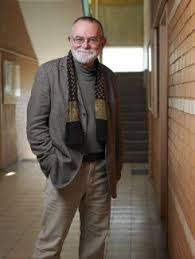
 Dr. habil György Fábri (1964) is an habilitated associate professor (Institute of research on Adult Education and Knowledge Management, Faculty of Education and Psychology of Eötvös Loránd University), head of the Social Communication Research Group. Areas of research: university philosophy, sociology of higher education and science, science communication, social communication, church sociology. His monograph was published on the transformation of Hungarian higher education during the change of regime (1992 Wien) and on university rankings (2017 Budapest). He has edited several scientific journals, and his university courses and publications cover communication theory, university philosophy, science communication, social representation, media and social philosophy, ethics, and church sociology.
 Mr. Degli Esposti is Full Professor at the Department of Computer Science and Engineering, Deputy Rector Alma Mater Studiorum Università di Bologna, Dean of Biblioteca Universitaria di Bologna, Head of Service for the health and safety of people in the workplace, President of the Alma Mater Foundation and Delegate for Rankings.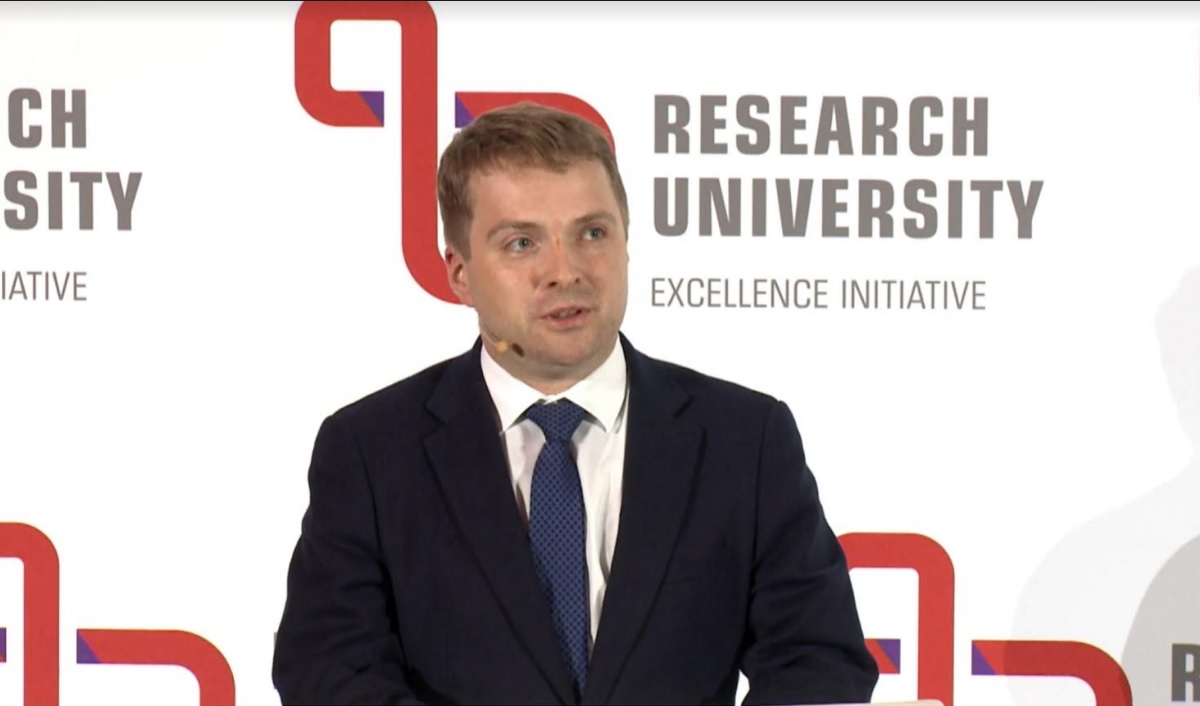
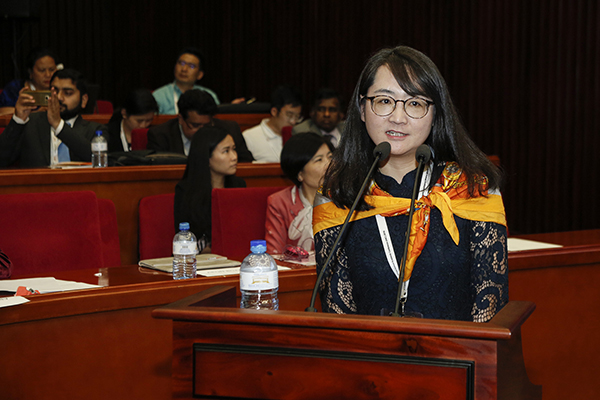
 Ben joined QS in 2002 and has led institutional performance insights function of QS since its emergence following the early success of the QS World University Rankings®. His team is, today, responsible for the operational management of all major QS research projects including the QS World University Rankings® and variants by region and subject. Comprising over 60 people in five international locations, the team also operate a widely adopted university rating system – QS Stars – and a range of commissioned business intelligence and strategic advisory services.Ben has travelled to over 50 countries and spoken on his research in almost 40. He has personally visited over 50 of the world’s top 100 universities amongst countless others and is a regular and sought after speaker on the conference circuit.Ben is married and has two sons; if he had any free time it would be spent reading, watching movies and skiing.
 Anna Urbanovics is a PhD student at Doctoral School of Public Administration Sciences of the University of Public Service, and studies Sociology Master of Arts at the Corvinus University of Budapest. She is graduated in International Security Studies Master of Arts at the University of Public Service. She does research in Scientometrics and International Relations.


 Dr. Mircea Dumitru is a Professor of Philosophy at the University of Bucharest (since 2004). Rector of the University of Bucharest (since 2011). President of the European Society of Analytic Philosophy (2011 – 2014). Corresponding Fellow of the Romanian Academy (since 2014). Minister of Education and Scientific Research (July 2016 – January 2017). Visiting Professor at Beijing Normal University (2017 – 2022). President of the International Institute of Philosophy (2017 – 2020). President of Balkan Universities Association (2019 – 2020). He holds a PhD in Philosophy at Tulane University, New Orleans, USA (1998) with a topic in modal logic and philosophy of mathematics, and another PhD in Philosophy at the University of Bucharest (1998) with a topic in philosophy of language. Invited Professor at Tulsa University (USA), CUNY (USA), NYU (USA), Lyon 3, ENS Lyon, University of Helsinki, CUPL (Beijing, China), Pekin University (Beijing, China). Main area of research: philosophical logic, metaphysics, and philosophy of language. Main publications: Modality and Incompleteness (UMI, Ann Arbor, 1998); Modalitate si incompletitudine, (Paideia Publishing House, 2001, in Romanian; the book received the Mircea Florian Prize of the Romanian Academy); Logic and Philosophical Explorations (Humanitas, Bucharest, 2004, in Romanian); Words, Theories, and Things. Quine in Focus (ed.) (Pelican, 2009); Truth (ed.) (Bucharest University Publishing House, 2013); article on the Philosophy of Kit Fine, in The Cambridge Dictionary of Philosophy, the Third Edition, Robert Audi (ed.) (Cambridge University Press, 2015), Metaphysics, Meaning, and Modality. Themes from Kit Fine (ed.) (Oxford University Press, forthcoming).
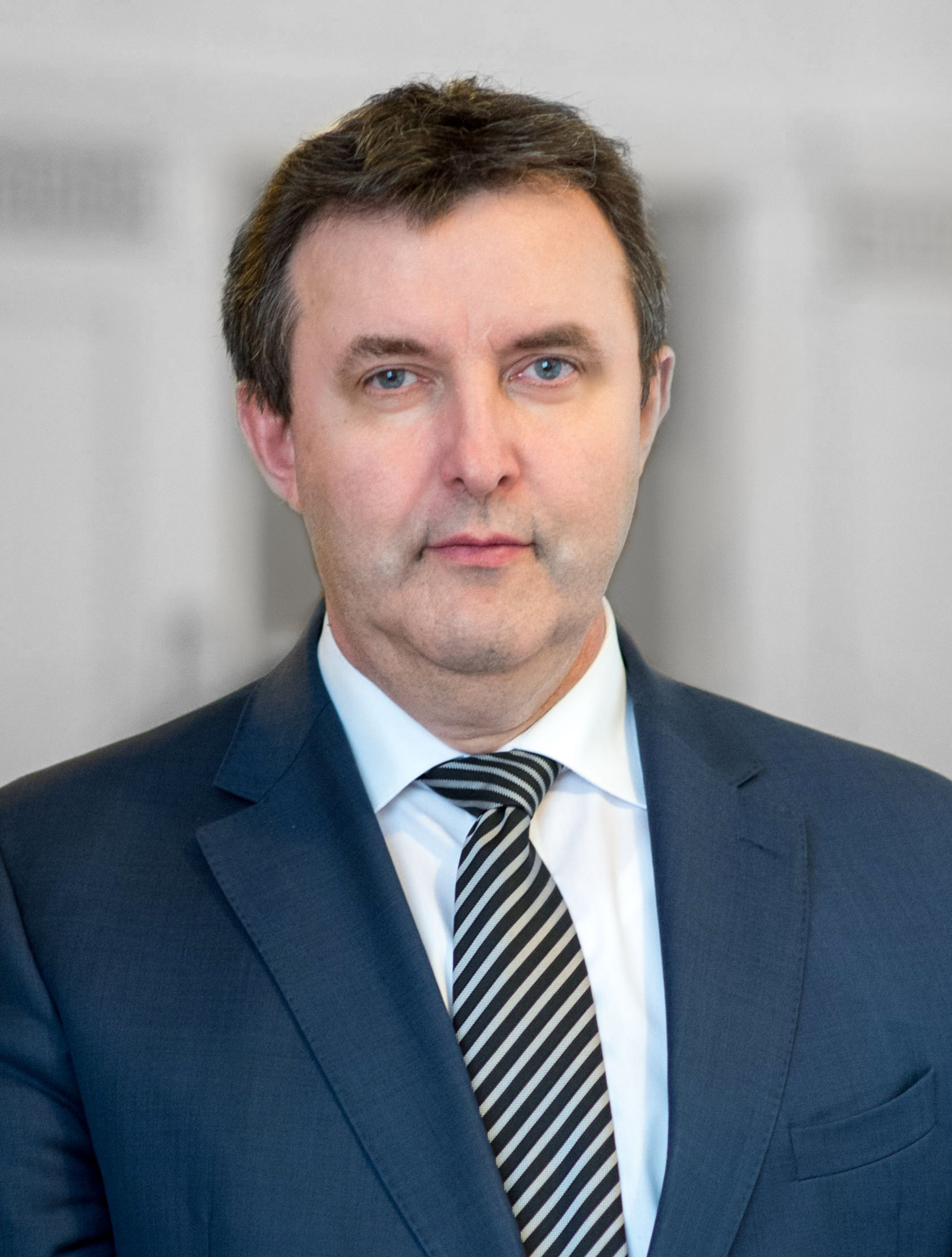 Since 1 February 2019 Minister Palkovics as Government Commissioner has been responsible for the coordination of the tasks prescribed in Act XXIV of 2016 on the promulgation of the Agreement between the Government of Hungary and the Government of the People’s Republic of China on the development, implementation and financing of the Hungarian section of the Budapest-Belgrade Railway Reconstruction Project.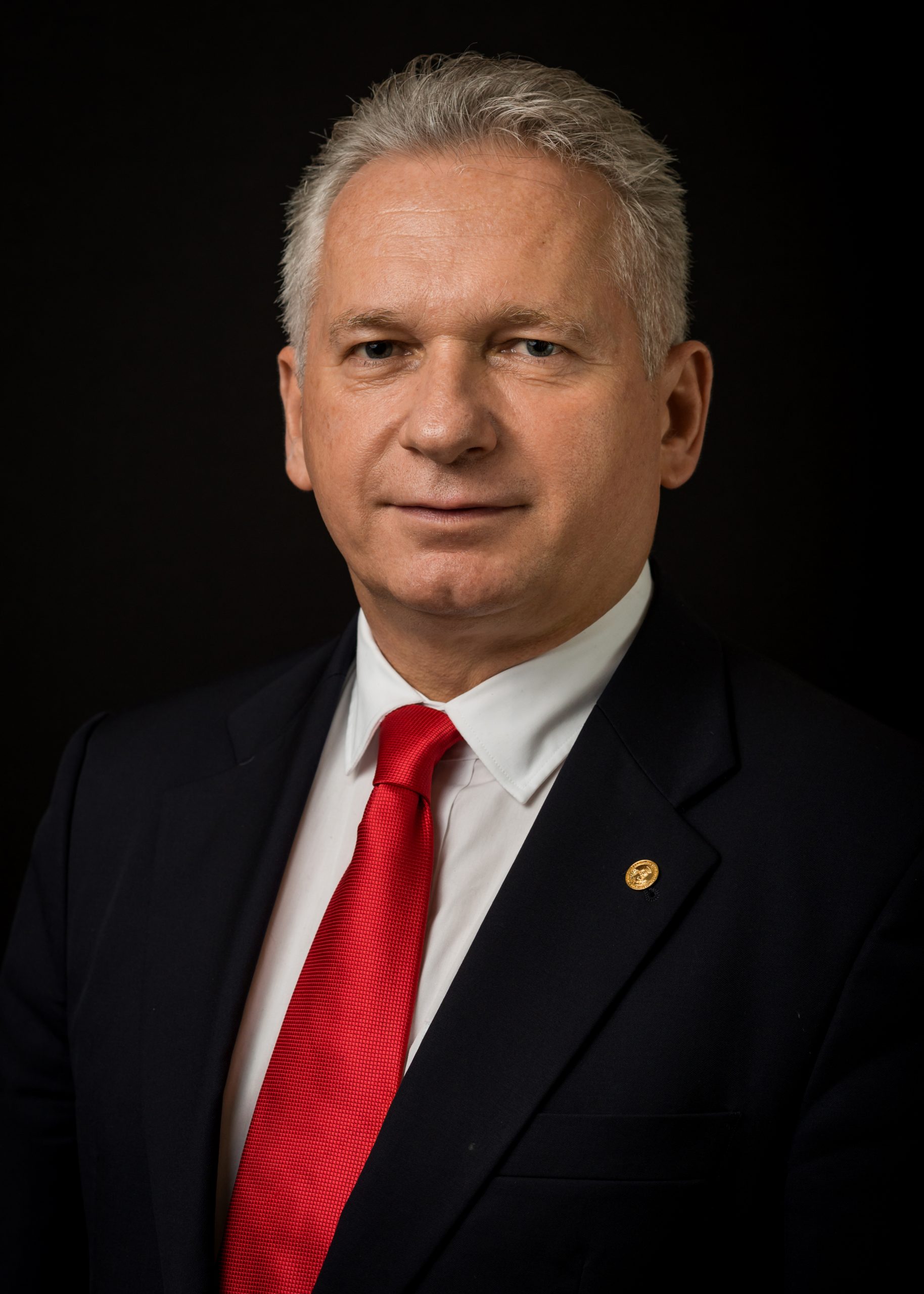
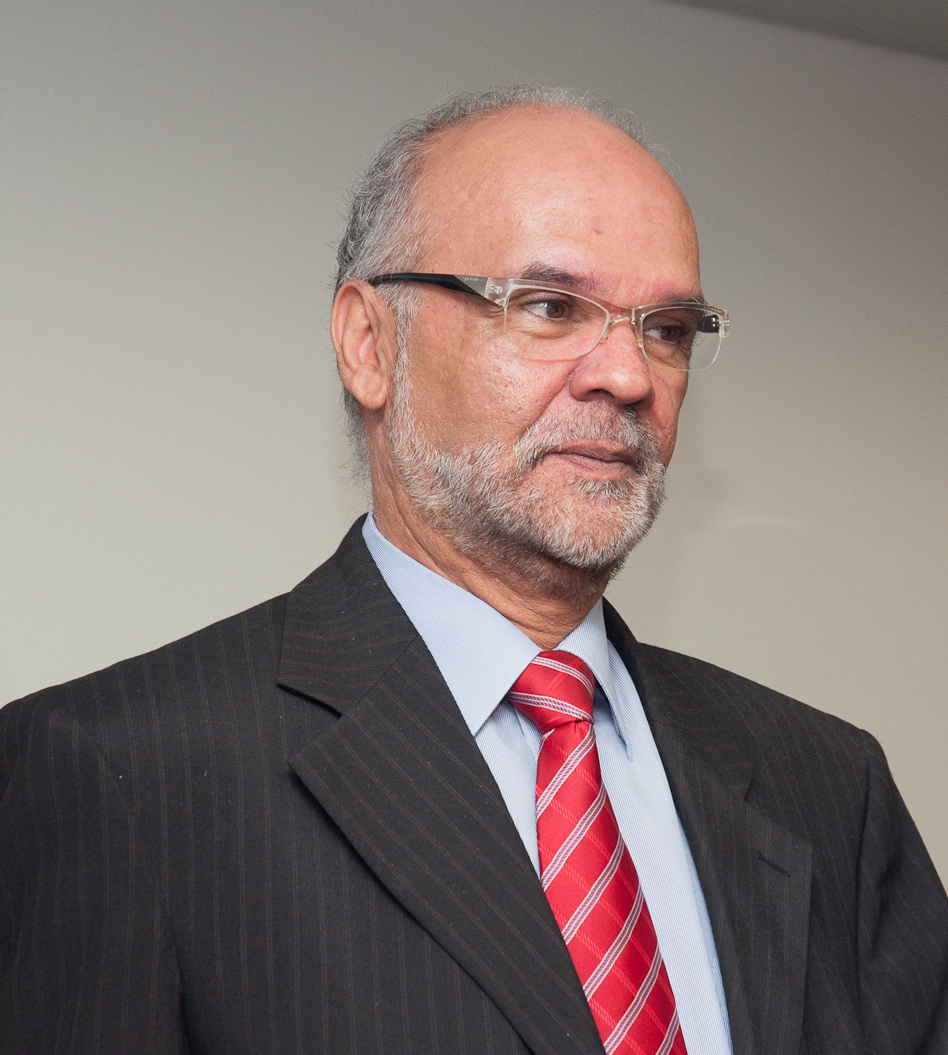
 He is the past President of the Health and Health Care Economics Section of the Hungarian Economics Association.

 Based in Berlin, Zuzanna Gorenstein is Head of Project of the German Rectors’ Conference (HRK) service project “International University Rankings” since 2019. Her work at HRK encompasses the conceptual development and implementation of targeted advisory, networking, and communication measures for German universities’ ranking officers. Before joining the HRK, Zuzanna Gorenstein herself served as ranking officer of Freie Universität Berlin.
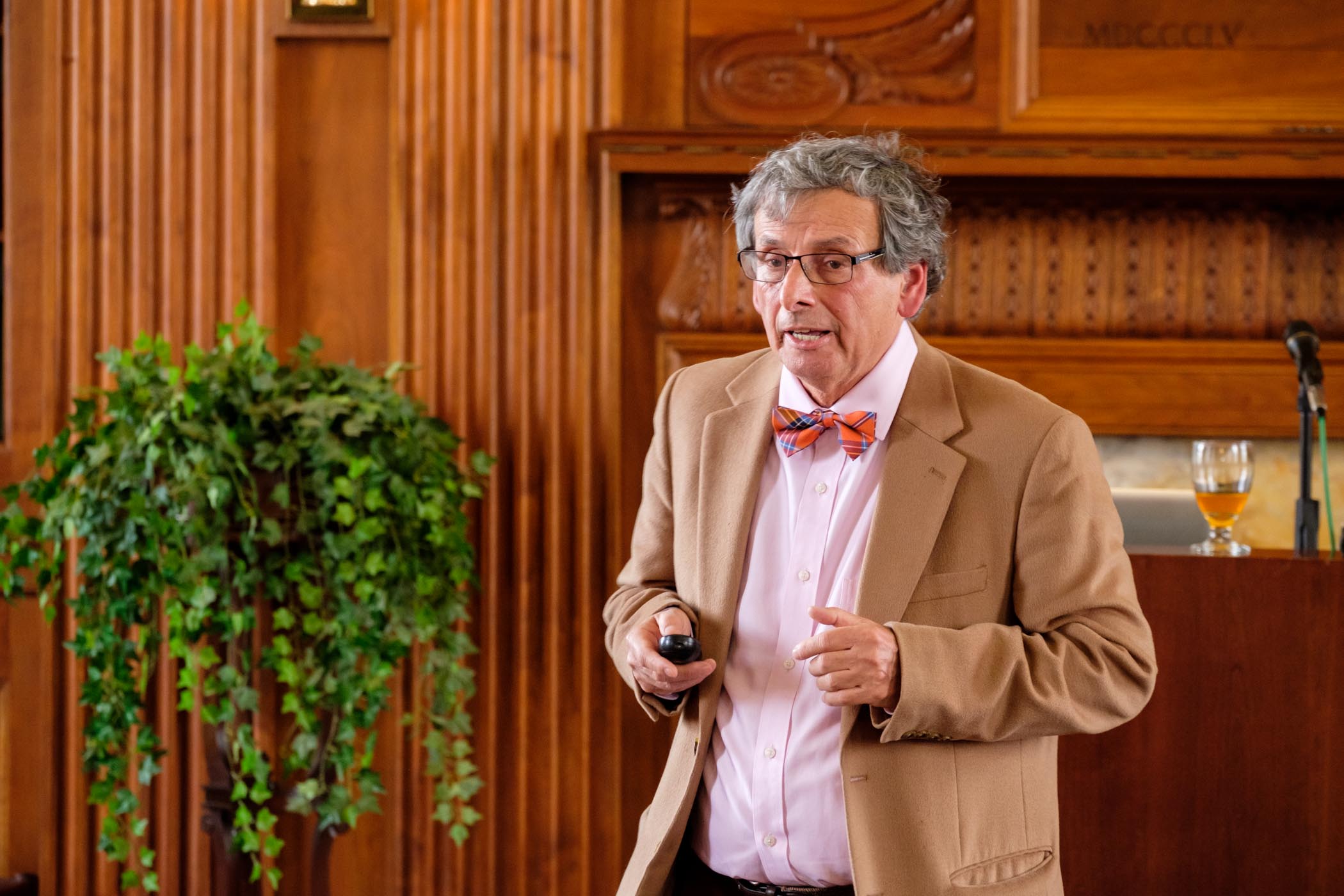 His books on mathematical modeling of chemical, biological, and other complex systems have been published by Princeton University Press, MIT Press, Springer Publishing house. His new book RANKING: The Unwritten Rules of the Social Game We All Play was published recently by the Oxford University Press, and is already under translation for several languages.