History of Hungarian rankings – Chronology
- October-November, 2000: The first Hungarian student ranking research is conducted at the instigation of Atelier of Higher Education Research, on the basis of which, higher education institutional rankings are prepared for eight fields of study. The professional coordination of the standard questionnaire survey based on personal request financed by the National Admissions Office (later succeeded by Educatio Public Services Nonprofit LLC—National Higher Education Information Centre) was conducted by JELTÁRS Atelier of Social Researches.
- Autumn, 2001: The developers of the first Hungarian ranking inform the members of the Conference of Hungarian Rectors and the Conference of College Directors about the commencement of the ranking program; the leaders of the institutions form methodological comments and criticism.
- December, 2001: The first Hungarian higher education ranking named UnivPRESS Ranking is published on the website of Universitas Atelier of Higher Education Researches (www.unipresszo.hu).
- January, 2002: Világgazdaság (p. 6. No: 11. January, 2002) and Magyar Hírlap (p. 14. 29 January, 2002) also publish the results of the UnivPRESS Ranking.
- Autumn, 2004: The first independent ranking publication, entitled Egyetemek mérlegen [Universities on the Scales] is published, ranking institutions in eight professional fields on the basis of over thirty aspects, building on research on student opinion. The concept of a comprehensive ranking incorporating institutional statistical data, as well as student and lecturer opinions is formed. The publication is prepared by the National Higher Education Information Centre and Universitas Press LLC (eds: György Fábri and Éva Roberts, other cooperating researchers: István Fábri, Csilla Pogány).
- March, 2005: The first ranking conference is held in Budapest in the Students’ Information Centre. Organisers: National Higher Education Information Centre (NHEIC), Universitas Atelier of Higher Education Researches (2005)
- Autumn-Winter, 2005: After NHEIC officially informs the ministry, three newspapers publish their independent higher education rankings prepared on the basis of their own methodologies, which have been published every year since then in addition to the Felvi Ranking publications:
- October, 2005: political weekly magazine publishes university and college rankings, although only around three popular majors. The rankings considering six factors are only published in the supplement of the weekly issue of the magazine to date.
- November, 2005: a new, independent ranking publication entitled Felvi-rangsor—Egyetemek, főiskolák mérlegen—2006 [Felvi Ranking—Universities and Colleges on the Scales—2006] is published by the National Higher Education Information Centre continuing the UnivPress Ranking in the series of official higher education guide publications. Higher education statistics and precise institutional indexes are published as further factors in addition to student opinions assessing over twenty aspects in the tables ranking practically all universities and colleges.
- November, 2005: Népszabadság publishes a higher education information guide entitled Felsőoktatás felsőfokon [Higher Education at Advanced Level] in which rankings of fifty majors are presented, however, only on the basis of two factors. Thus the newspaper is the first to compete with the Felvi Ranking books which had started some years earlier.
- January, 2006: HVG also publishes its first independent ranking publication, entitled Diploma 2006, in which assessments on the basis of eight examined aspects are presented, including so-called absolute (i.e. independent of fields of study) ranking lists. The first HVG ranking is prepared by a professional team coordinated by the researchers of the Education Research Institute.
- 2005–2009: A number of nationwide student ranking surveys are conducted in the cooperation of NHEIC and Universitas Press, with samples of between five and eight thousand respondents each.
- December, 2006: The Felvi Ranking is published in the HVG Diploma supplement. From this time on the magazine prepares no individual rankings, but publishes the Felvi Rankings which are also published in the information guides of NHEIC and in Felvételi Tájoló [Admissions Compass].
- Autumn, 2007: The interactive online ranking version of the Felvi Ranking is published. Visitors can prepare their own rankings (“personal ranking”) on the basis of selected aspects from any fields of study, at the official higher education information website, www.felvi.hu.
- October, 2008: Heti Válasz also publishes an independent ranking guide entitled Navigátor lining up with the Felvi publications and the independent ranking products of Népszabadság and HVG.
- Autumn, 2008: The journal Felsőoktatási Műhely [Higher Education Workshop] is first published by Educatio – NHEIC, in which the editors of the journal create an independent ranking section.
- 2009: The International Higher Education Research Centre of Corvinus University of Budapest initiates Hungary’s accession to the international ranking research programmes with the team of Universitas Press Atelier of Higher Education Researches and Felvi Ranking.
- February, 2010: A seminar entitled “Chapters of Social-Psychology: The Perception of Higher Education—Higher Education Rankings” is started at the Faculty of Pedagogy and Psychology of Eötvös Loránd University in the undergraduate psychology program.
- Spring, 2010: The professional team preparing Felvi Ranking initiates the establishment of the so called Ranking Council, in order to rethink the objectives, principles and methodology of preparing domestic rankings on the one hand, and to consider international tendencies in ranking research with the help of the most reputable experts in Hungarian higher education and the field of research.
 Dr. habil György Fábri (1964) is an habilitated associate professor (Institute of research on Adult Education and Knowledge Management, Faculty of Education and Psychology of Eötvös Loránd University), head of the Social Communication Research Group. Areas of research: university philosophy, sociology of higher education and science, science communication, social communication, church sociology. His monograph was published on the transformation of Hungarian higher education during the change of regime (1992 Wien) and on university rankings (2017 Budapest). He has edited several scientific journals, and his university courses and publications cover communication theory, university philosophy, science communication, social representation, media and social philosophy, ethics, and church sociology.
 Mr. Degli Esposti is Full Professor at the Department of Computer Science and Engineering, Deputy Rector Alma Mater Studiorum Università di Bologna, Dean of Biblioteca Universitaria di Bologna, Head of Service for the health and safety of people in the workplace, President of the Alma Mater Foundation and Delegate for Rankings.
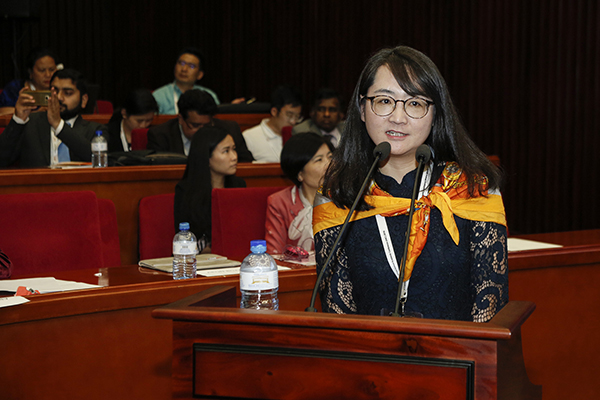
 Ben joined QS in 2002 and has led institutional performance insights function of QS since its emergence following the early success of the QS World University Rankings®. His team is, today, responsible for the operational management of all major QS research projects including the QS World University Rankings® and variants by region and subject. Comprising over 60 people in five international locations, the team also operate a widely adopted university rating system – QS Stars – and a range of commissioned business intelligence and strategic advisory services.Ben has travelled to over 50 countries and spoken on his research in almost 40. He has personally visited over 50 of the world’s top 100 universities amongst countless others and is a regular and sought after speaker on the conference circuit.Ben is married and has two sons; if he had any free time it would be spent reading, watching movies and skiing.
 Anna Urbanovics is a PhD student at Doctoral School of Public Administration Sciences of the University of Public Service, and studies Sociology Master of Arts at the Corvinus University of Budapest. She is graduated in International Security Studies Master of Arts at the University of Public Service. She does research in Scientometrics and International Relations.

 Dr. Mircea Dumitru is a Professor of Philosophy at the University of Bucharest (since 2004). Rector of the University of Bucharest (since 2011). President of the European Society of Analytic Philosophy (2011 – 2014). Corresponding Fellow of the Romanian Academy (since 2014). Minister of Education and Scientific Research (July 2016 – January 2017). Visiting Professor at Beijing Normal University (2017 – 2022). President of the International Institute of Philosophy (2017 – 2020). President of Balkan Universities Association (2019 – 2020). He holds a PhD in Philosophy at Tulane University, New Orleans, USA (1998) with a topic in modal logic and philosophy of mathematics, and another PhD in Philosophy at the University of Bucharest (1998) with a topic in philosophy of language. Invited Professor at Tulsa University (USA), CUNY (USA), NYU (USA), Lyon 3, ENS Lyon, University of Helsinki, CUPL (Beijing, China), Pekin University (Beijing, China). Main area of research: philosophical logic, metaphysics, and philosophy of language. Main publications: Modality and Incompleteness (UMI, Ann Arbor, 1998); Modalitate si incompletitudine, (Paideia Publishing House, 2001, in Romanian; the book received the Mircea Florian Prize of the Romanian Academy); Logic and Philosophical Explorations (Humanitas, Bucharest, 2004, in Romanian); Words, Theories, and Things. Quine in Focus (ed.) (Pelican, 2009); Truth (ed.) (Bucharest University Publishing House, 2013); article on the Philosophy of Kit Fine, in The Cambridge Dictionary of Philosophy, the Third Edition, Robert Audi (ed.) (Cambridge University Press, 2015), Metaphysics, Meaning, and Modality. Themes from Kit Fine (ed.) (Oxford University Press, forthcoming).
 Since 1 February 2019 Minister Palkovics as Government Commissioner has been responsible for the coordination of the tasks prescribed in Act XXIV of 2016 on the promulgation of the Agreement between the Government of Hungary and the Government of the People’s Republic of China on the development, implementation and financing of the Hungarian section of the Budapest-Belgrade Railway Reconstruction Project.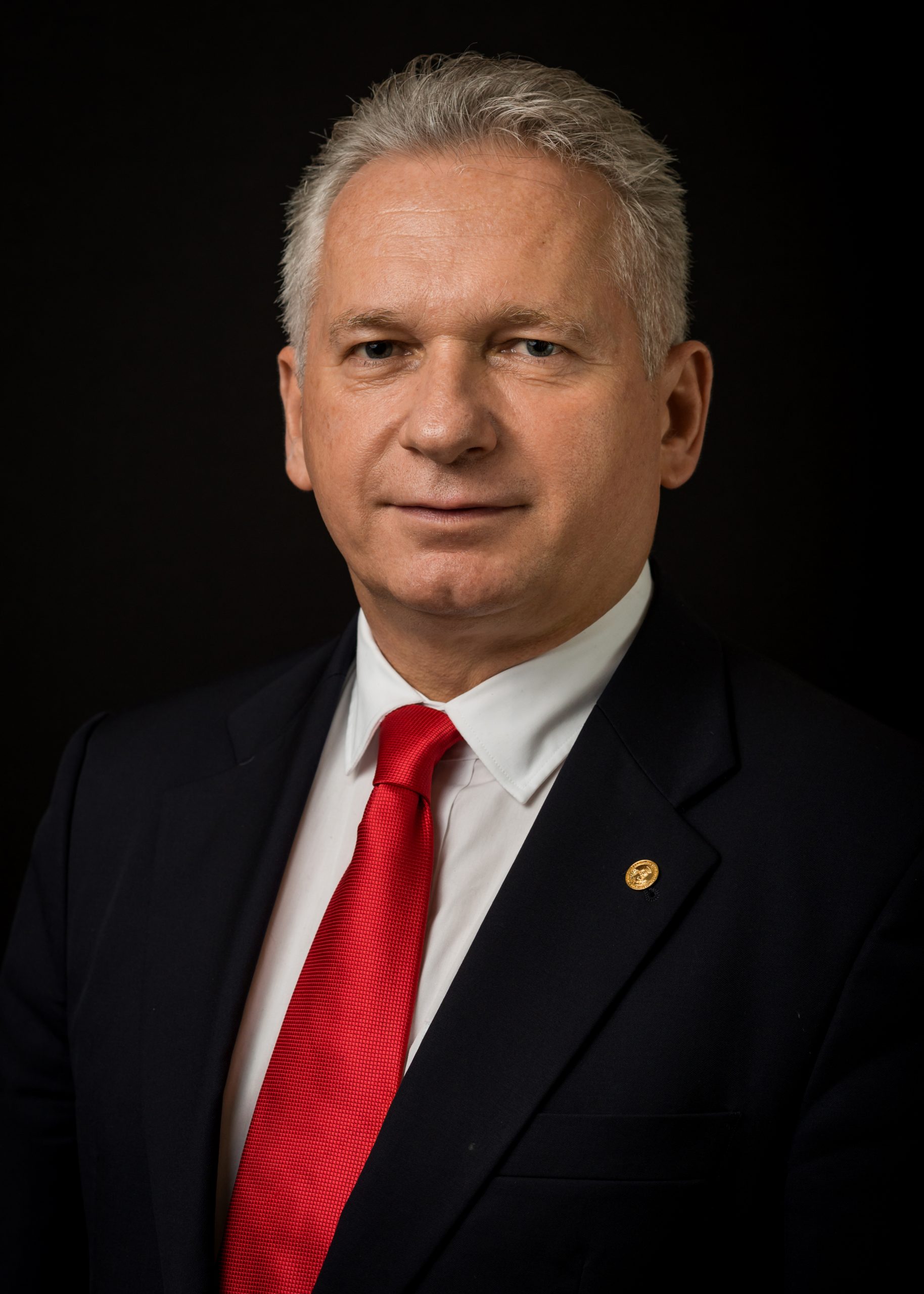
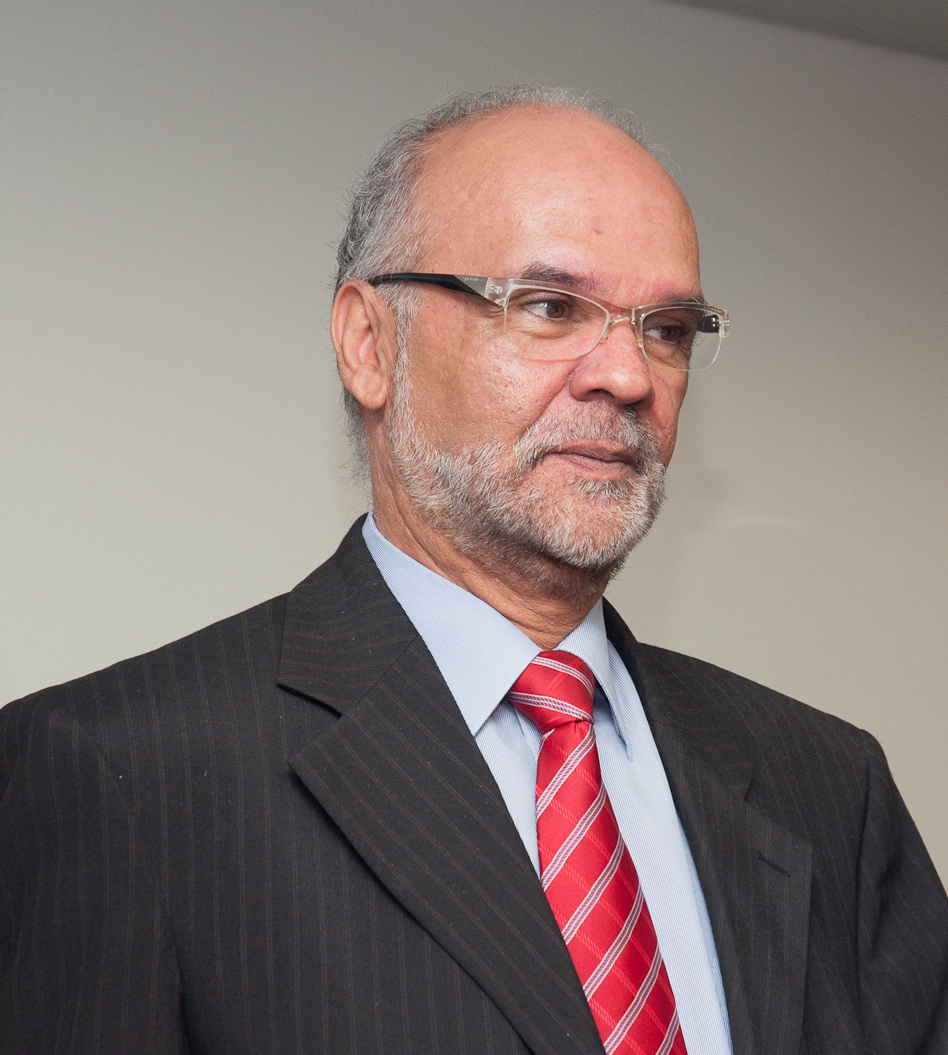
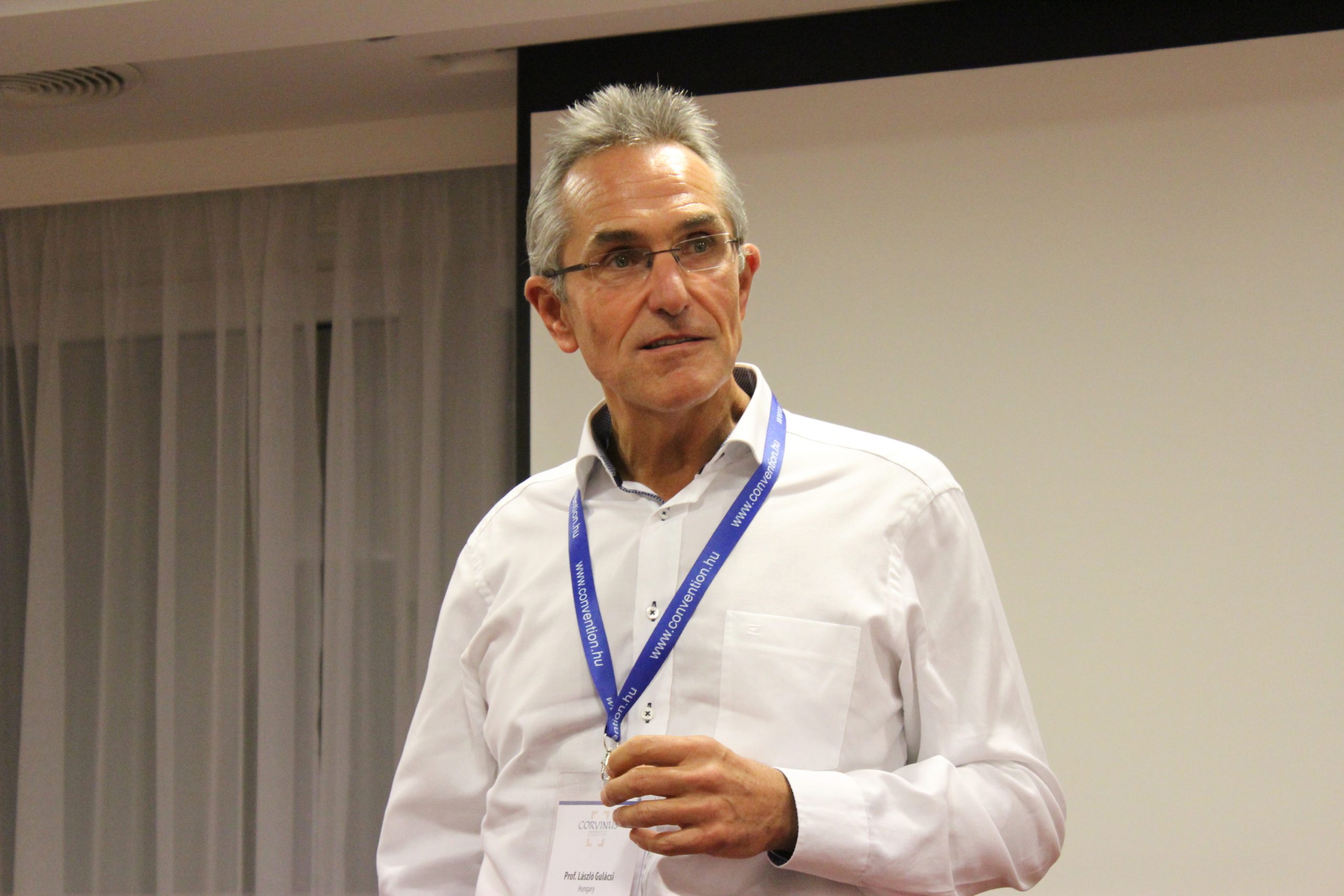 He is the past President of the Health and Health Care Economics Section of the Hungarian Economics Association.

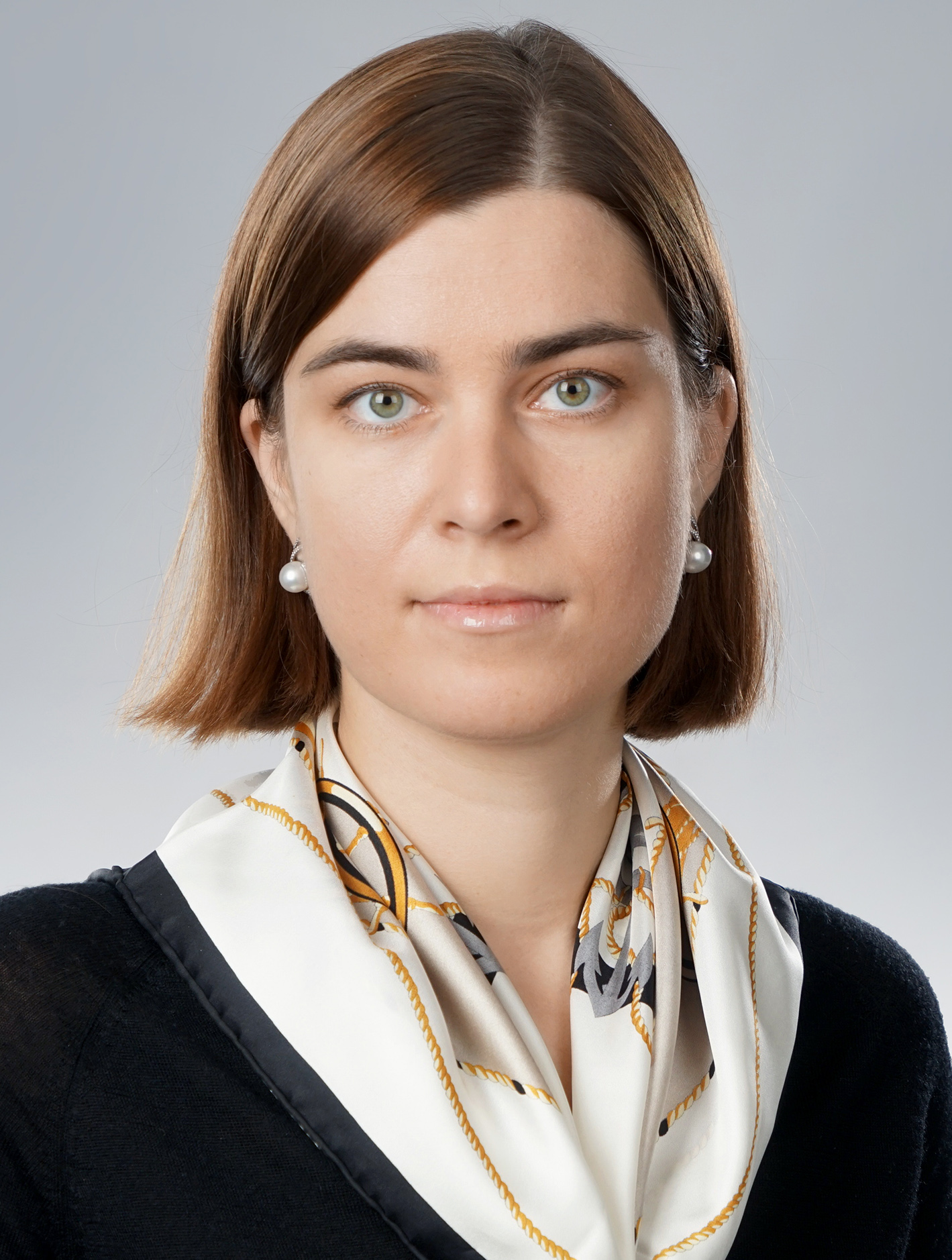
 Based in Berlin, Zuzanna Gorenstein is Head of Project of the German Rectors’ Conference (HRK) service project “International University Rankings” since 2019. Her work at HRK encompasses the conceptual development and implementation of targeted advisory, networking, and communication measures for German universities’ ranking officers. Before joining the HRK, Zuzanna Gorenstein herself served as ranking officer of Freie Universität Berlin.
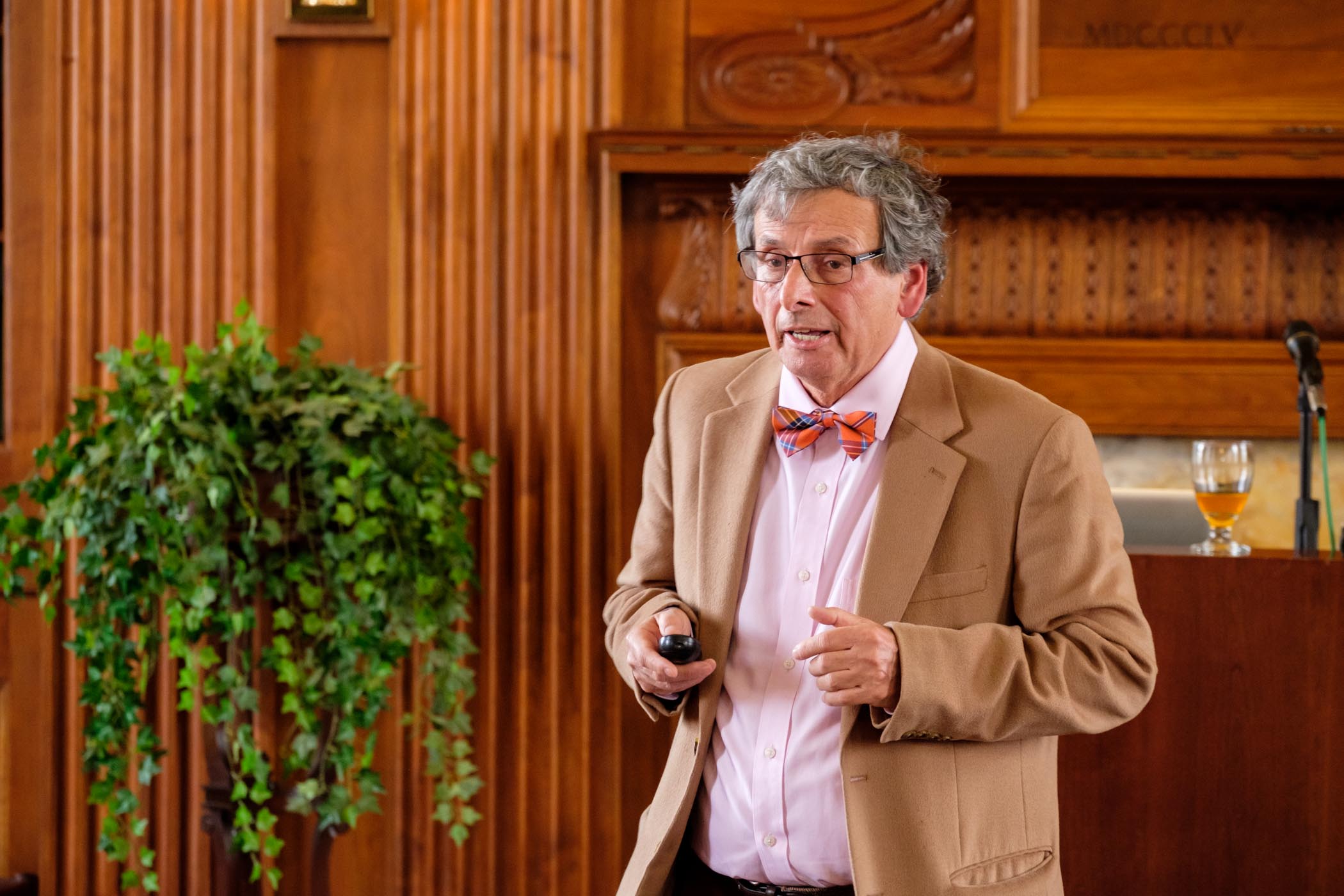 His books on mathematical modeling of chemical, biological, and other complex systems have been published by Princeton University Press, MIT Press, Springer Publishing house. His new book RANKING: The Unwritten Rules of the Social Game We All Play was published recently by the Oxford University Press, and is already under translation for several languages.