The European Beginnings:
- 1863 Carl Kořistka: Der höhere polytechnische Unterricht in Deutschland, in der Schweiz, in Frankreich, Belgien und England“.
- 1900 Alick Maclean’s publication, Where We Get Our Best Men
USA:
- 1870S. Bureau of Education categorised the institutions into four classes.
- 1903 Edwin G. Dexter categorised (but did not rank) the institutions based on excellent graduates.
- 1904 Havelock Ellit’s publication, A Study of British Genius
- 1906 (1910) James Cattel’s publication, The American Men of Science
- 1911 Kendric Charles Babcock – upon the request of the American Association of Universities – categorised 344 higher education institutions into four classes based on how the students could obtain the bachelor level, and how they moved on. The President of the United State at that time forbade the distribution of the publication.
- 1925 Raymond Hughes’ publication, A Study of Graduate Schools of America appeared.
- 1930 Stephen Visher, the professor of Indiana University published his ranking the methodology of which was similar to that used by Cattel: Beverly Waugh Kunkel, associate of Lafayette College and Donald B. Prentice of Rose-Hulman Institute of Technology published their ranking.
- 1934 Hughes II: American Council on Education – more successful.
- 1951 A methodological debate developed with the publication of Robert Knapp and Hubert Goodrich, “Origins of American Scientists” about the rankings which were based on the number of graduates with excellent results.
- 1958 The publication of Paul Lazarsfeld and Wagner Thielens, Jr., “The Academic Mind” (Multidimensional)
- 1956 Chesley Manley’s ranking appeared in the Chicago Tribune.
- 1959 Keniston, the professor of the University of Pennsylvania published his analysis the purpose of which was the benchmarking of universities.
- 1966 Allan Cartter published his ranking based on new methodological developments and including 106 universities: university rankings became widely accepted.
- 1967 Jack Gourman (Gourman Report)
- 1968 Playboy
- 1969 The publication of George Pierson, “The Education of American Leaders”
- 1972 National Academy of Sciences (reputation ranking)
- 1971 Publication of the first Times Higher Education ranking in Great Britain.
- 1982 An Assessment of Research-Doctorate Programs was published presenting more than 200 universities and 2700 training programmes based on 16 indices.
- 1983 US News and Report ranking, and the ranking of Business Week MBA listing MBA programmes appeared.
- 1986 US News and Report USA Colleges Ranking
Global management training rankings:
- 1998 Financial Times
- 2000 Business Week
- 2001 Wall Street Journal
- 2002 The Economist, Forbes, International Herald Tribune
Global rankings:
- 1999-2000 Time Asiaweek: Asia’s Best Universities
- 1999-2001 University of Shanghai: higher education programme.
- 2003 Shanghai Jiao Tong University’s Academic Ranking of World Universities
- 2004 Times Higher Education Supplement (THES) – QS: “World University Rankings”
- 2005 Webometrics
- 2006 The Centre for Higher Education Development (CHE)
- 2007 Performance Ranking of Scientific Papers for World Universities – Taiwan
- 2007 Centre for Science and Technology Studies – Leiden
- 2007 International Professional Classification of Higher Education Institutions – Mines, Paris
- 2008 SCIMAGO World Report (Scopus)
- 2010 THE World University Rankings (Thompson Reuters)
- 2010 QS World University Rankings
- 2010-2011 EU Multidimensional Ranking / Classification / Mapping
- 2014 EU Multidimensional Ranking
 Dr. habil György Fábri (1964) is an habilitated associate professor (Institute of research on Adult Education and Knowledge Management, Faculty of Education and Psychology of Eötvös Loránd University), head of the Social Communication Research Group. Areas of research: university philosophy, sociology of higher education and science, science communication, social communication, church sociology. His monograph was published on the transformation of Hungarian higher education during the change of regime (1992 Wien) and on university rankings (2017 Budapest). He has edited several scientific journals, and his university courses and publications cover communication theory, university philosophy, science communication, social representation, media and social philosophy, ethics, and church sociology.
 Mr. Degli Esposti is Full Professor at the Department of Computer Science and Engineering, Deputy Rector Alma Mater Studiorum Università di Bologna, Dean of Biblioteca Universitaria di Bologna, Head of Service for the health and safety of people in the workplace, President of the Alma Mater Foundation and Delegate for Rankings.
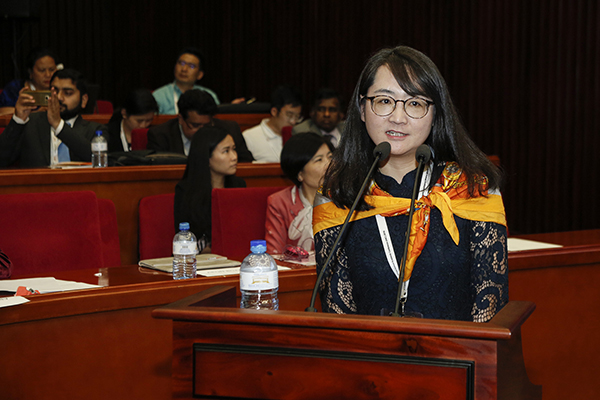
 Ben joined QS in 2002 and has led institutional performance insights function of QS since its emergence following the early success of the QS World University Rankings®. His team is, today, responsible for the operational management of all major QS research projects including the QS World University Rankings® and variants by region and subject. Comprising over 60 people in five international locations, the team also operate a widely adopted university rating system – QS Stars – and a range of commissioned business intelligence and strategic advisory services.Ben has travelled to over 50 countries and spoken on his research in almost 40. He has personally visited over 50 of the world’s top 100 universities amongst countless others and is a regular and sought after speaker on the conference circuit.Ben is married and has two sons; if he had any free time it would be spent reading, watching movies and skiing.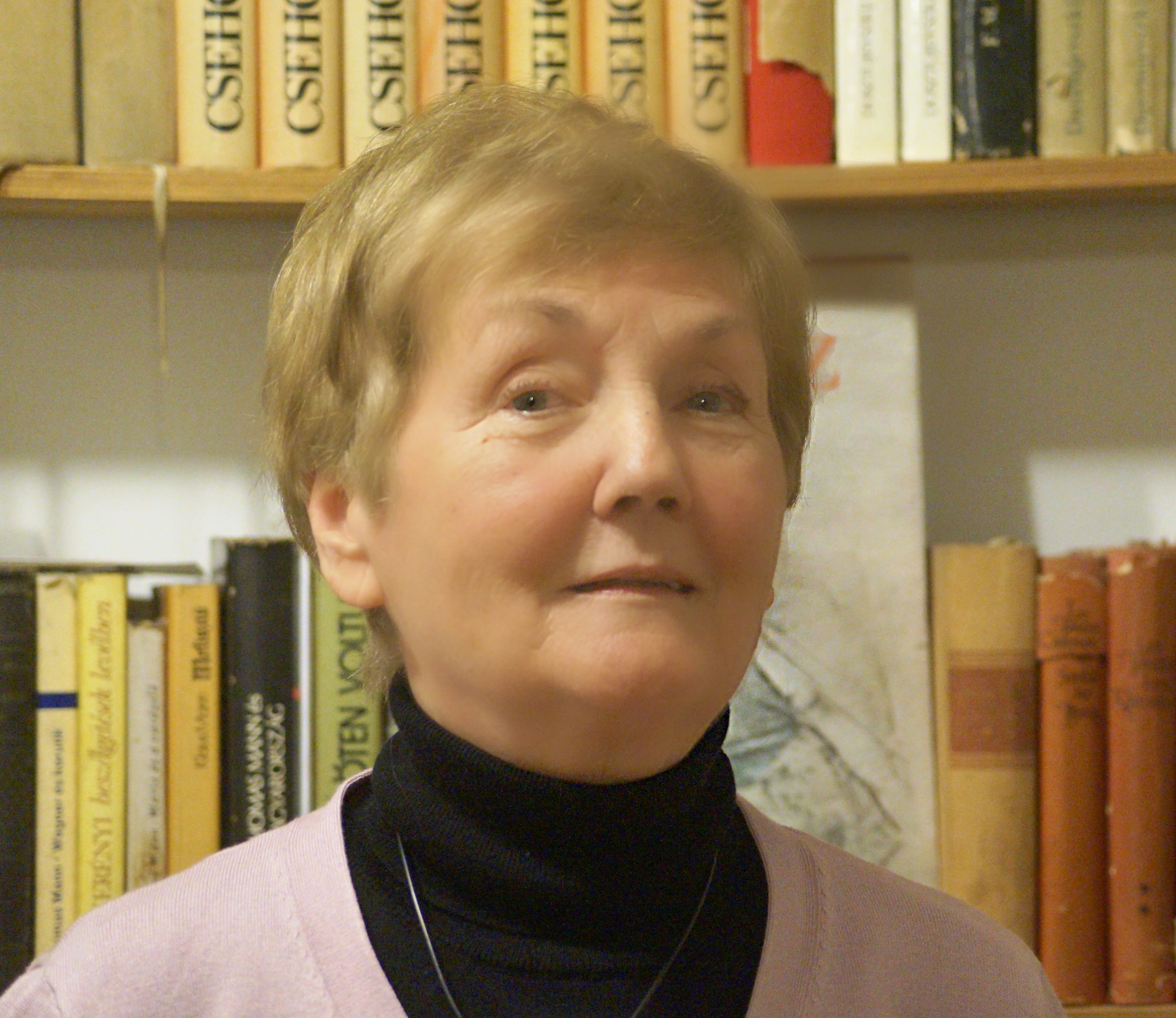
 Anna Urbanovics is a PhD student at Doctoral School of Public Administration Sciences of the University of Public Service, and studies Sociology Master of Arts at the Corvinus University of Budapest. She is graduated in International Security Studies Master of Arts at the University of Public Service. She does research in Scientometrics and International Relations.

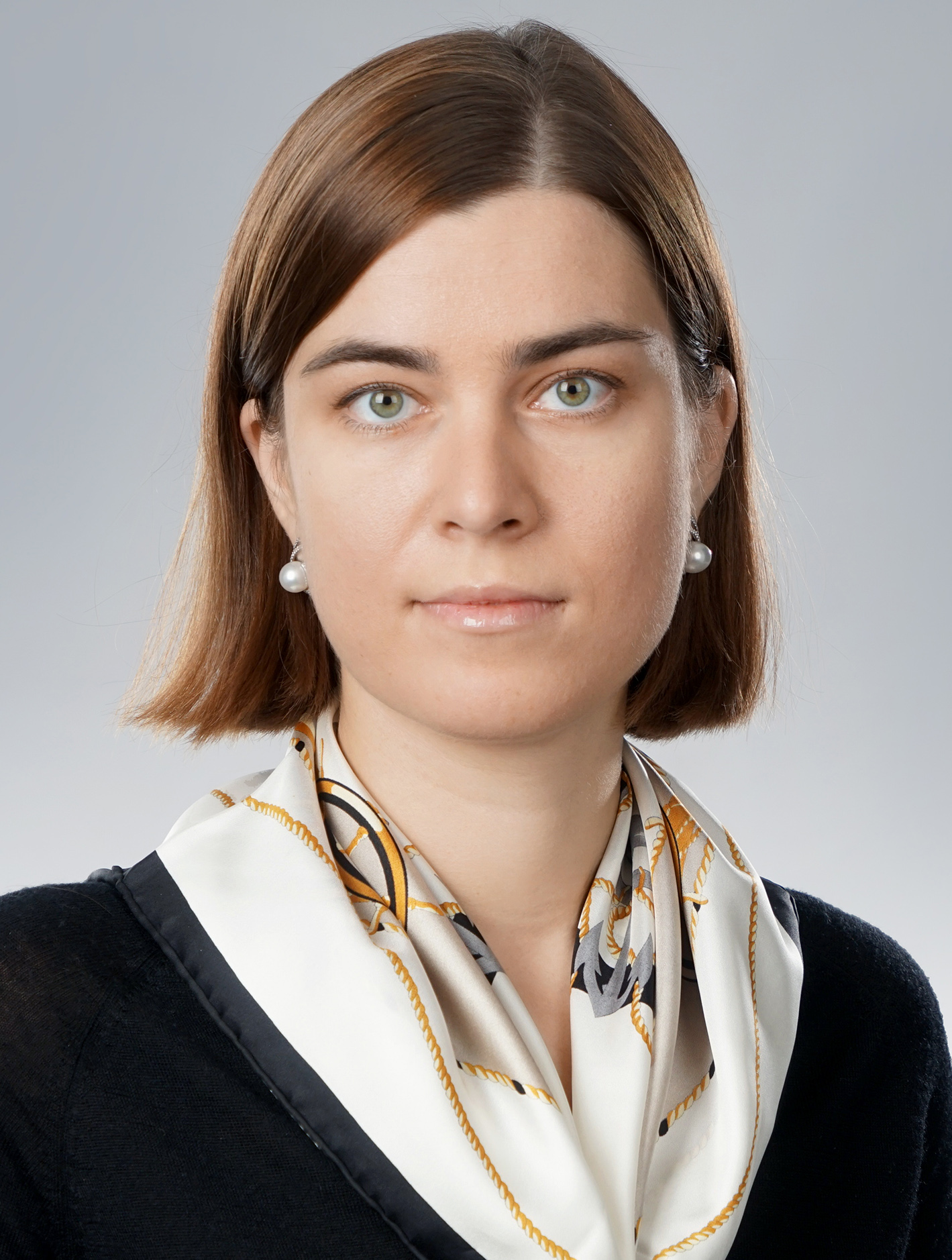
 Dr. Mircea Dumitru is a Professor of Philosophy at the University of Bucharest (since 2004). Rector of the University of Bucharest (since 2011). President of the European Society of Analytic Philosophy (2011 – 2014). Corresponding Fellow of the Romanian Academy (since 2014). Minister of Education and Scientific Research (July 2016 – January 2017). Visiting Professor at Beijing Normal University (2017 – 2022). President of the International Institute of Philosophy (2017 – 2020). President of Balkan Universities Association (2019 – 2020). He holds a PhD in Philosophy at Tulane University, New Orleans, USA (1998) with a topic in modal logic and philosophy of mathematics, and another PhD in Philosophy at the University of Bucharest (1998) with a topic in philosophy of language. Invited Professor at Tulsa University (USA), CUNY (USA), NYU (USA), Lyon 3, ENS Lyon, University of Helsinki, CUPL (Beijing, China), Pekin University (Beijing, China). Main area of research: philosophical logic, metaphysics, and philosophy of language. Main publications: Modality and Incompleteness (UMI, Ann Arbor, 1998); Modalitate si incompletitudine, (Paideia Publishing House, 2001, in Romanian; the book received the Mircea Florian Prize of the Romanian Academy); Logic and Philosophical Explorations (Humanitas, Bucharest, 2004, in Romanian); Words, Theories, and Things. Quine in Focus (ed.) (Pelican, 2009); Truth (ed.) (Bucharest University Publishing House, 2013); article on the Philosophy of Kit Fine, in The Cambridge Dictionary of Philosophy, the Third Edition, Robert Audi (ed.) (Cambridge University Press, 2015), Metaphysics, Meaning, and Modality. Themes from Kit Fine (ed.) (Oxford University Press, forthcoming).
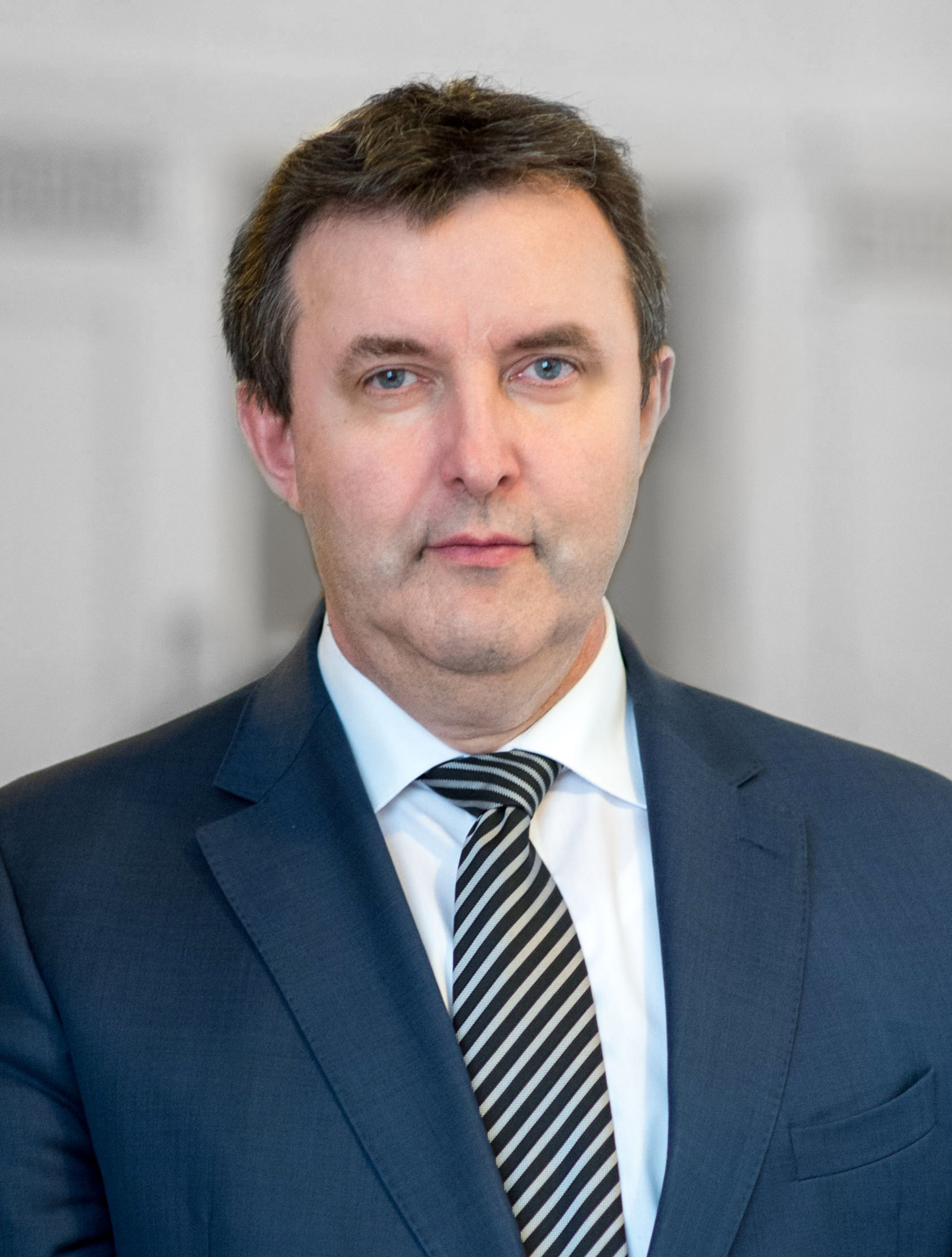 Since 1 February 2019 Minister Palkovics as Government Commissioner has been responsible for the coordination of the tasks prescribed in Act XXIV of 2016 on the promulgation of the Agreement between the Government of Hungary and the Government of the People’s Republic of China on the development, implementation and financing of the Hungarian section of the Budapest-Belgrade Railway Reconstruction Project.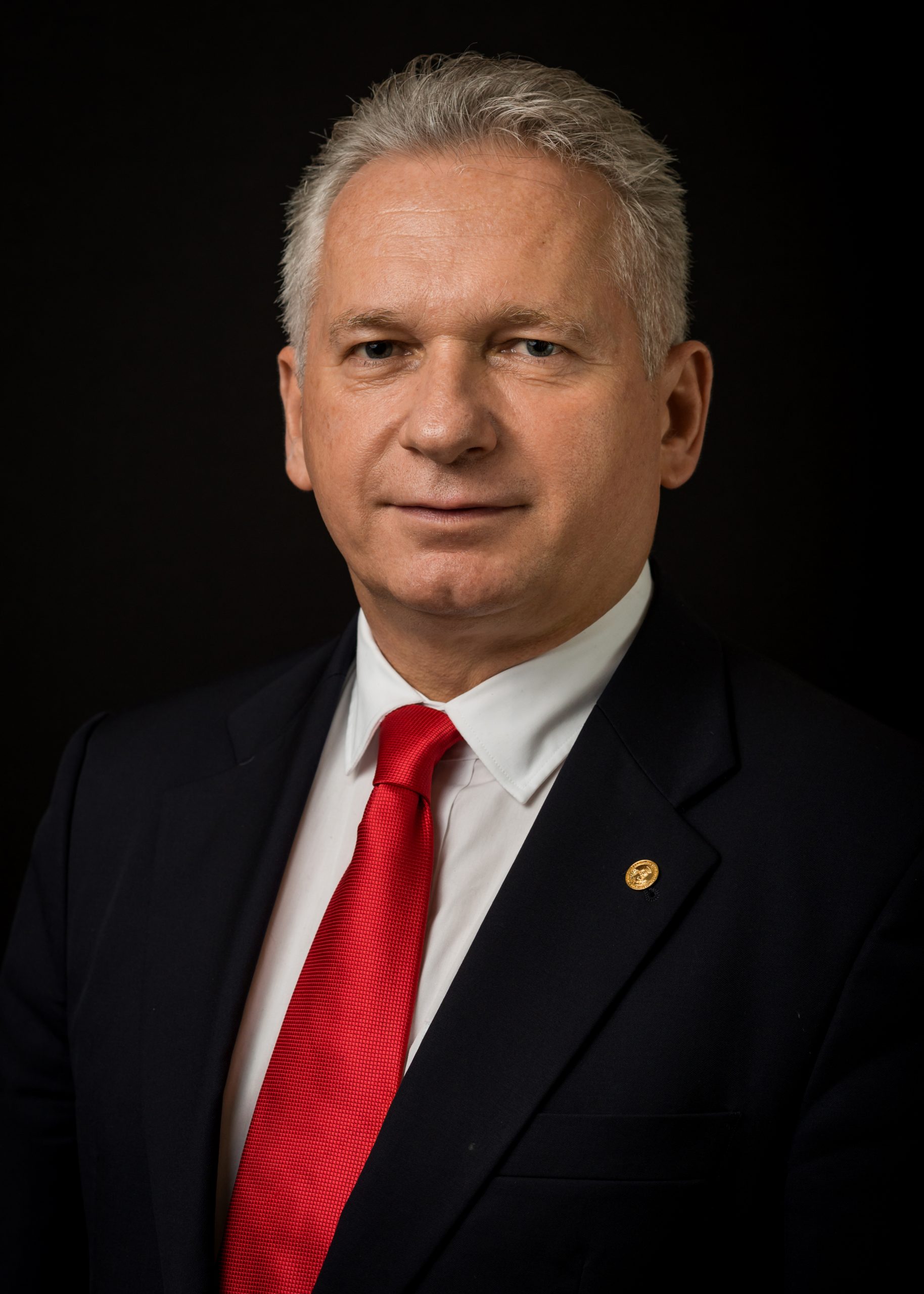
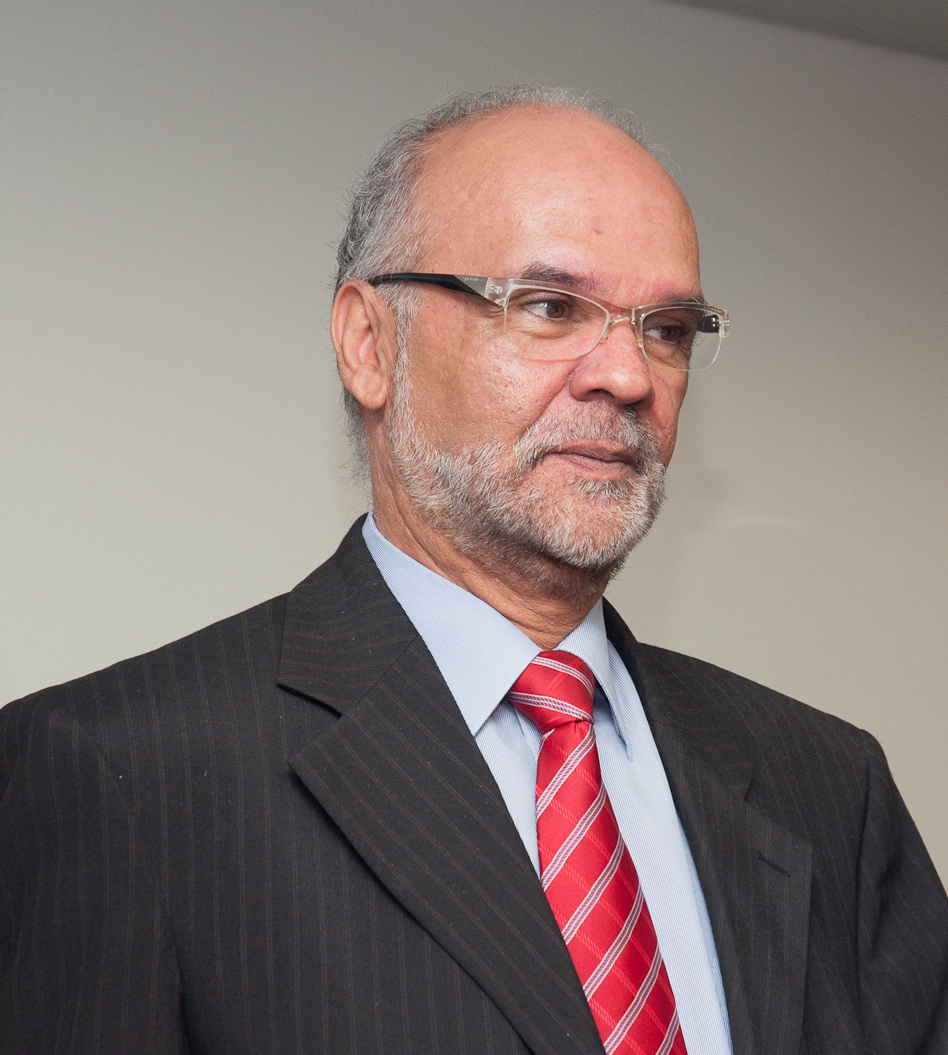
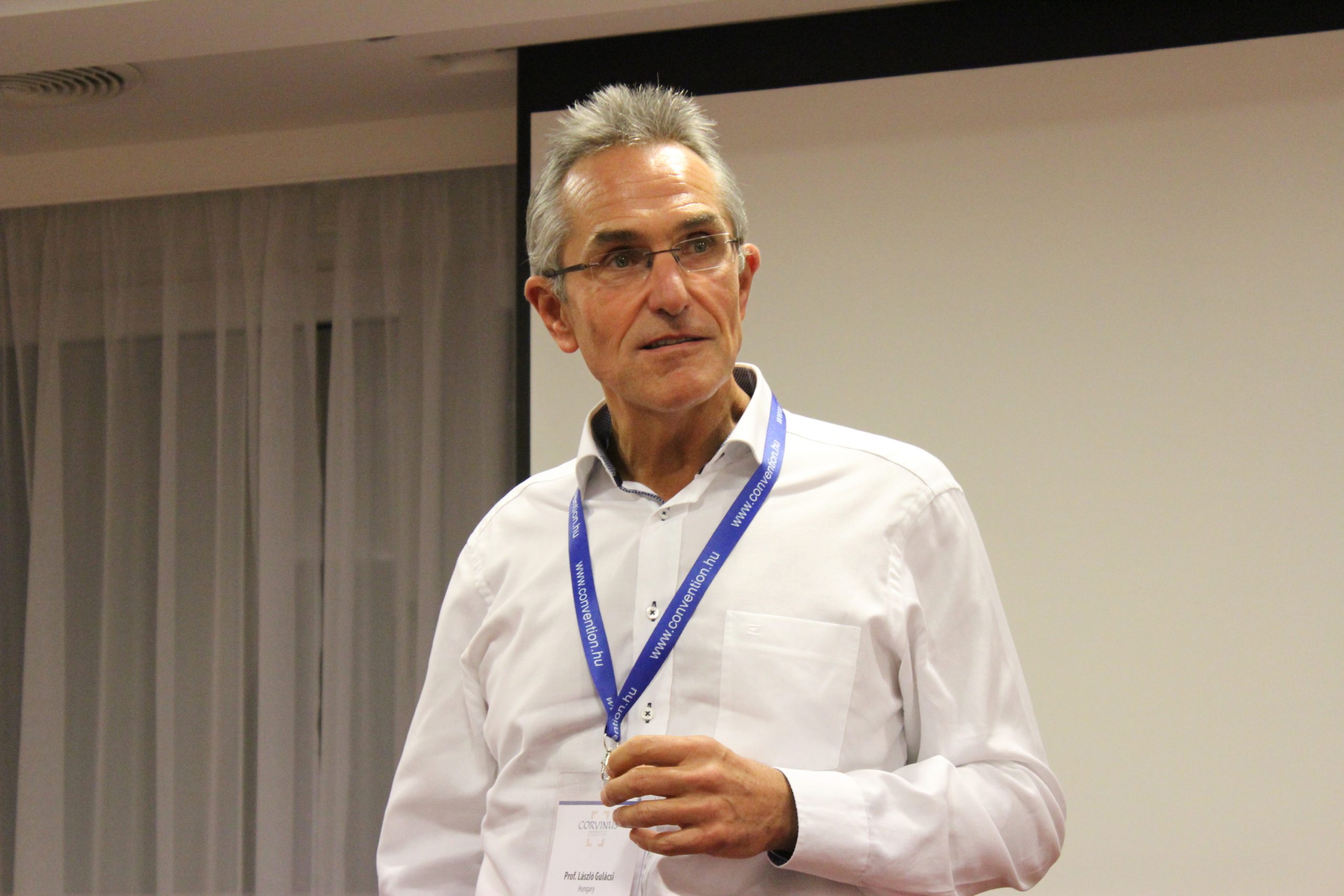 He is the past President of the Health and Health Care Economics Section of the Hungarian Economics Association.

 Based in Berlin, Zuzanna Gorenstein is Head of Project of the German Rectors’ Conference (HRK) service project “International University Rankings” since 2019. Her work at HRK encompasses the conceptual development and implementation of targeted advisory, networking, and communication measures for German universities’ ranking officers. Before joining the HRK, Zuzanna Gorenstein herself served as ranking officer of Freie Universität Berlin.
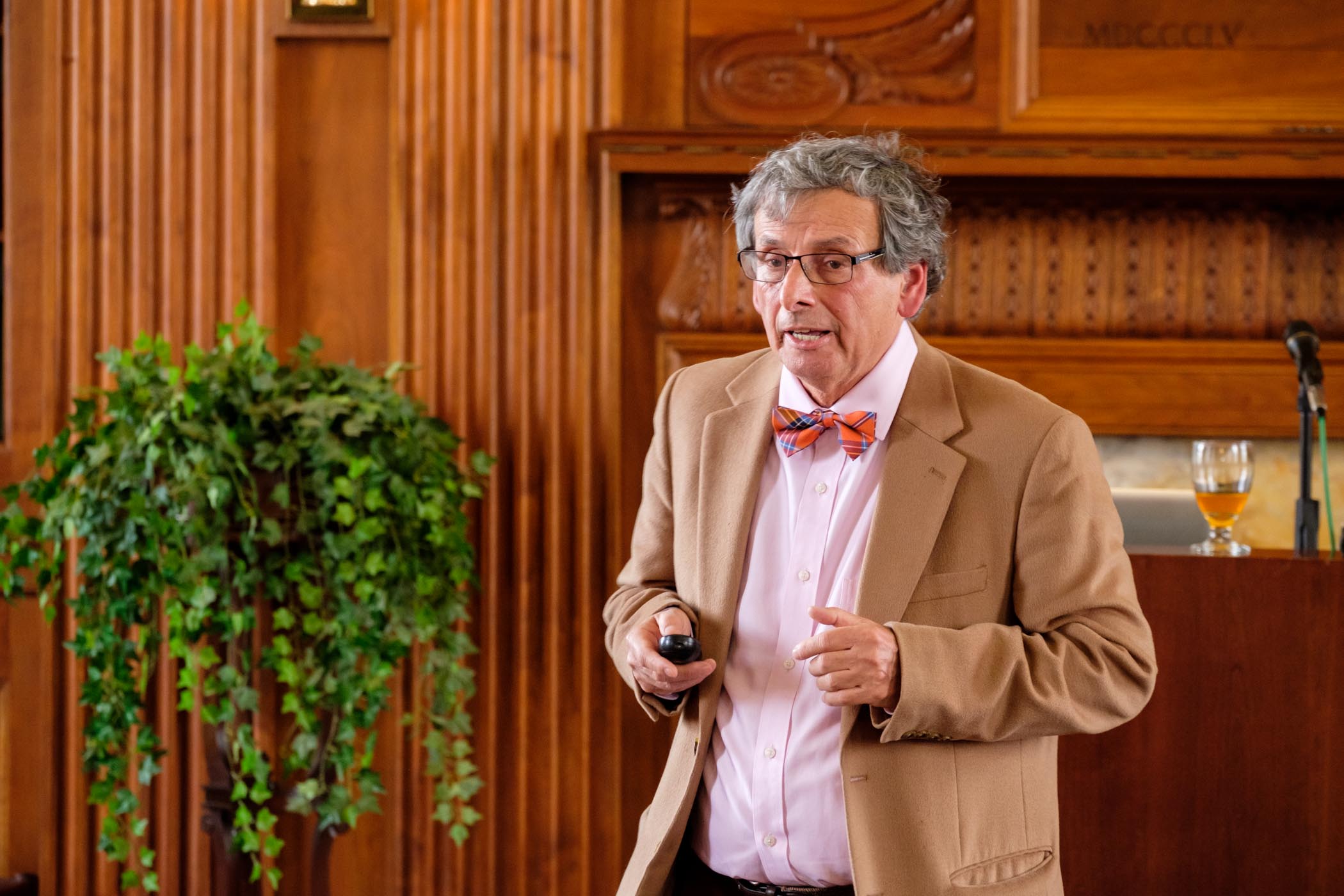 His books on mathematical modeling of chemical, biological, and other complex systems have been published by Princeton University Press, MIT Press, Springer Publishing house. His new book RANKING: The Unwritten Rules of the Social Game We All Play was published recently by the Oxford University Press, and is already under translation for several languages.