ARWU
Historical and Institutional Background
The Academic Ranking of World Universities (ARWU) is first published in June 2003 by the Center for World-Class Universities and the Institute of Higher Education of Shanghai Jiao Tong University, China, and then updated on an annual basis. The initial purpose was to find the global standing of Chinese top universities : a research project ordered by the president of the People’s Republic of China, aimed to lead nine Chinese universities to become world top universities. In order to define „world excellence” and start the „benchmarking „ of the Chinese Universities, the the experts of the Institute carried out a research, the results and revised report of which became the first Shanghai ranking of the top 500 world universities in 2003.
Indicators and Methodology
Selection of Universities
ARWU considers every university that has any Nobel Laureates, Fields Medalists, Highly Cited Researchers, or papers published in Nature or Science. In addition, universities with significant amount of papers indexed by Science Citation Index-Expanded (SCIE) and Social Science Citation Index (SSCI) are also included. In total, more than 1000 universities are actually ranked and the best 500 are published on the web.
Ranking Criteria
For each indicator, the highest scoring institution is assigned a score of 100, and other institutions are calculated as a percentage of the top score. The distribution of data for each indicator is examined for any significant distorting effect; standard statistical techniques are used to adjust the indicator if necessary. Scores for each indicator are weighted as shown below to arrive at a final overall score for an institution. The highest scoring institution is assigned a score of 100, and other institutions are calculated as a percentage of the top score. An institution’s rank reflects the number of institutions that sit above it.
|
Indicator |
Definition |
Weight |
Data source |
|
Alumni |
The total number of the alumni of an institution winning Nobel Prizes and Fields Medals. Alumni are defined as those who obtain bachelor, Master’s or doctoral degrees from the institution. Different weights are set according to the periods of obtaining degrees. The weight is 100% for alumni obtaining degrees in 2001-2010, 90% for alumni obtaining degrees in 1991-2000, 80% for alumni obtaining degrees in 1981-1990, and so on, and finally 10% for alumni obtaining degrees in 1911-1920. If a person obtains more than one degrees from an institution, the institution is considered once only. | 10% | http://nobelprize.org/http://www.mathunion.org/index.php?id=prizewinners
|
| Award |
The total number of the staff of an institution winning Nobel Prizes in Physics, Chemistry, Medicine and Economics and Fields Medal in Mathematics. Staff is defined as those who work at an institution at the time of winning the prize. Different weights are set according to the periods of winning the prizes. The weight is 100% for winners after 2011, 90% for winners in 2001-2010, 80% for winners in 1991-2000, 70% for winners in 1981-1990, and so on, and finally 10% for winners in 1921-1930. If a winner is affiliated with more than one institution, each institution is assigned the reciprocal of the number of institutions. For Nobel prizes, if a prize is shared by more than one person, weights are set for winners according to their proportion of the prize. |
20% | http://nobelprize.org/http://www.mathunion.org/index.php?id=prizewinners |
| HiCi |
The number of Highly Cited Researchers in 21 subject categories. These individuals are the most cited within each category. If a Highly Cited Researcher has two or more affiliations, he/she was asked to estimate his/her weights (or number of weeks) for each affiliation. More than 2/3 of those multi-affiliated Highly Cited Researchers provided such estimations and their affiliations receive the weights accordingly. For those who did not answer, their first affiliation is given a weight of 84% (average weight of the first affiliations for those who replied) and the rest affiliations share the remaining 16% equally. |
20% | http://www.highlycited.com/ |
| N&S |
The number of papers published in Nature and Science between 2008 and 2012. To distinguish the order of author affiliation, a weight of 100% is assigned for corresponding author affiliation, 50% for first author affiliation (second author affiliation if the first author affiliation is the same as corresponding author affiliation), 25% for the next author affiliation, and 10% for other author affiliations. Only publications of ‘Article’ and ‘Proceedings Paper’ types are considered. |
20% | hhttp://www.webofknowledge.com/ |
| PUB |
Total number of papers indexed in Science Citation Index-Expanded and Social Science Citation Index in 2012. Only publications of ‘Article’ and ‘Proceedings Paper’ types are considered. When calculating the total number of papers of an institution, a special weight of two was introduced for papers indexed in Social Science Citation Index. |
20% | hhttp://www.webofknowledge.com/ |
| PCP | The weighted scores of the above five indicators divided by the number of full-time equivalent academic staff. If the number of academic staff for institutions of a country cannot be obtained, the weighted scores of the above five indicators is used. For ARWU 2013, the numbers of full-time equivalent academic staff are obtained for institutions in USA, UK, France, Canada, Japan, Italy, China, Australia, Netherlands, Sweden, Switzerland, Belgium, South Korea, Czech, Slovenia, New Zealand etc. | 10% |
Number of academic staff. Data is obtained from national agencies such as National Ministry of Education, National Bureau of Statistics, National Association of Universities and Colleges, National Rector’s Conference.
|
For institutions specialized in humanities and social sciences such as London School of Economics, N&S is not considered, and the weight of N&S is relocated to other indicators.
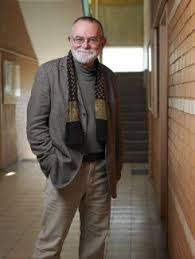
 Dr. habil György Fábri (1964) is an habilitated associate professor (Institute of research on Adult Education and Knowledge Management, Faculty of Education and Psychology of Eötvös Loránd University), head of the Social Communication Research Group. Areas of research: university philosophy, sociology of higher education and science, science communication, social communication, church sociology. His monograph was published on the transformation of Hungarian higher education during the change of regime (1992 Wien) and on university rankings (2017 Budapest). He has edited several scientific journals, and his university courses and publications cover communication theory, university philosophy, science communication, social representation, media and social philosophy, ethics, and church sociology.
 Dr. Mircea Dumitru is a Professor of Philosophy at the University of Bucharest (since 2004). Rector of the University of Bucharest (since 2011). President of the European Society of Analytic Philosophy (2011 – 2014). Corresponding Fellow of the Romanian Academy (since 2014). Minister of Education and Scientific Research (July 2016 – January 2017). Visiting Professor at Beijing Normal University (2017 – 2022). President of the International Institute of Philosophy (2017 – 2020). President of Balkan Universities Association (2019 – 2020). He holds a PhD in Philosophy at Tulane University, New Orleans, USA (1998) with a topic in modal logic and philosophy of mathematics, and another PhD in Philosophy at the University of Bucharest (1998) with a topic in philosophy of language. Invited Professor at Tulsa University (USA), CUNY (USA), NYU (USA), Lyon 3, ENS Lyon, University of Helsinki, CUPL (Beijing, China), Pekin University (Beijing, China). Main area of research: philosophical logic, metaphysics, and philosophy of language. Main publications: Modality and Incompleteness (UMI, Ann Arbor, 1998); Modalitate si incompletitudine, (Paideia Publishing House, 2001, in Romanian; the book received the Mircea Florian Prize of the Romanian Academy); Logic and Philosophical Explorations (Humanitas, Bucharest, 2004, in Romanian); Words, Theories, and Things. Quine in Focus (ed.) (Pelican, 2009); Truth (ed.) (Bucharest University Publishing House, 2013); article on the Philosophy of Kit Fine, in The Cambridge Dictionary of Philosophy, the Third Edition, Robert Audi (ed.) (Cambridge University Press, 2015), Metaphysics, Meaning, and Modality. Themes from Kit Fine (ed.) (Oxford University Press, forthcoming).
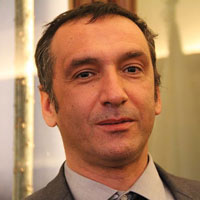 Mr. Degli Esposti is Full Professor at the Department of Computer Science and Engineering, Deputy Rector Alma Mater Studiorum Università di Bologna, Dean of Biblioteca Universitaria di Bologna, Head of Service for the health and safety of people in the workplace, President of the Alma Mater Foundation and Delegate for Rankings.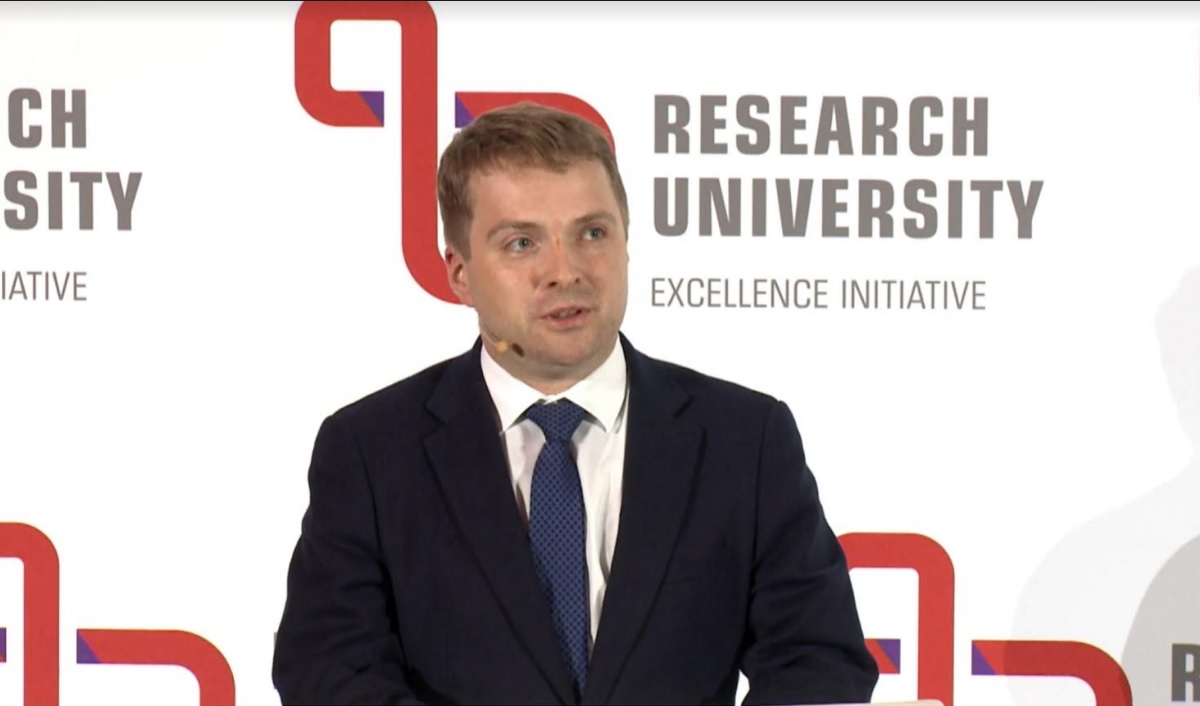
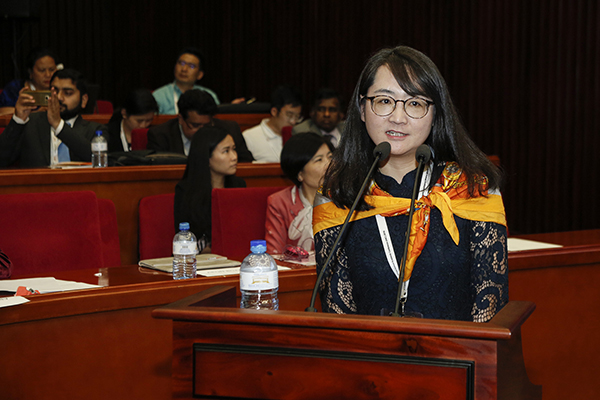
 Ben joined QS in 2002 and has led institutional performance insights function of QS since its emergence following the early success of the QS World University Rankings®. His team is, today, responsible for the operational management of all major QS research projects including the QS World University Rankings® and variants by region and subject. Comprising over 60 people in five international locations, the team also operate a widely adopted university rating system – QS Stars – and a range of commissioned business intelligence and strategic advisory services.Ben has travelled to over 50 countries and spoken on his research in almost 40. He has personally visited over 50 of the world’s top 100 universities amongst countless others and is a regular and sought after speaker on the conference circuit.Ben is married and has two sons; if he had any free time it would be spent reading, watching movies and skiing.
 Anna Urbanovics is a PhD student at Doctoral School of Public Administration Sciences of the University of Public Service, and studies Sociology Master of Arts at the Corvinus University of Budapest. She is graduated in International Security Studies Master of Arts at the University of Public Service. She does research in Scientometrics and International Relations.

 Since 1 February 2019 Minister Palkovics as Government Commissioner has been responsible for the coordination of the tasks prescribed in Act XXIV of 2016 on the promulgation of the Agreement between the Government of Hungary and the Government of the People’s Republic of China on the development, implementation and financing of the Hungarian section of the Budapest-Belgrade Railway Reconstruction Project.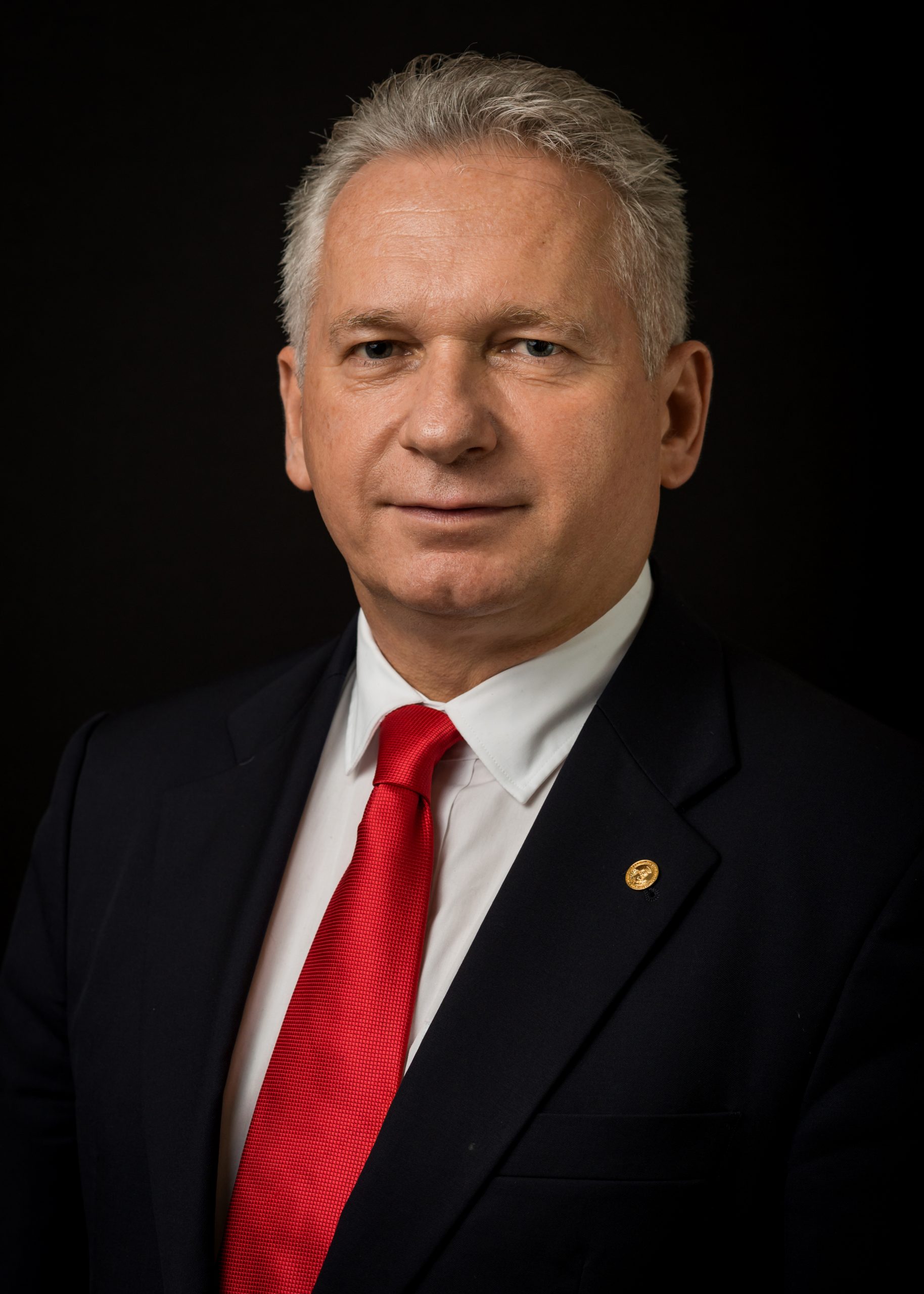

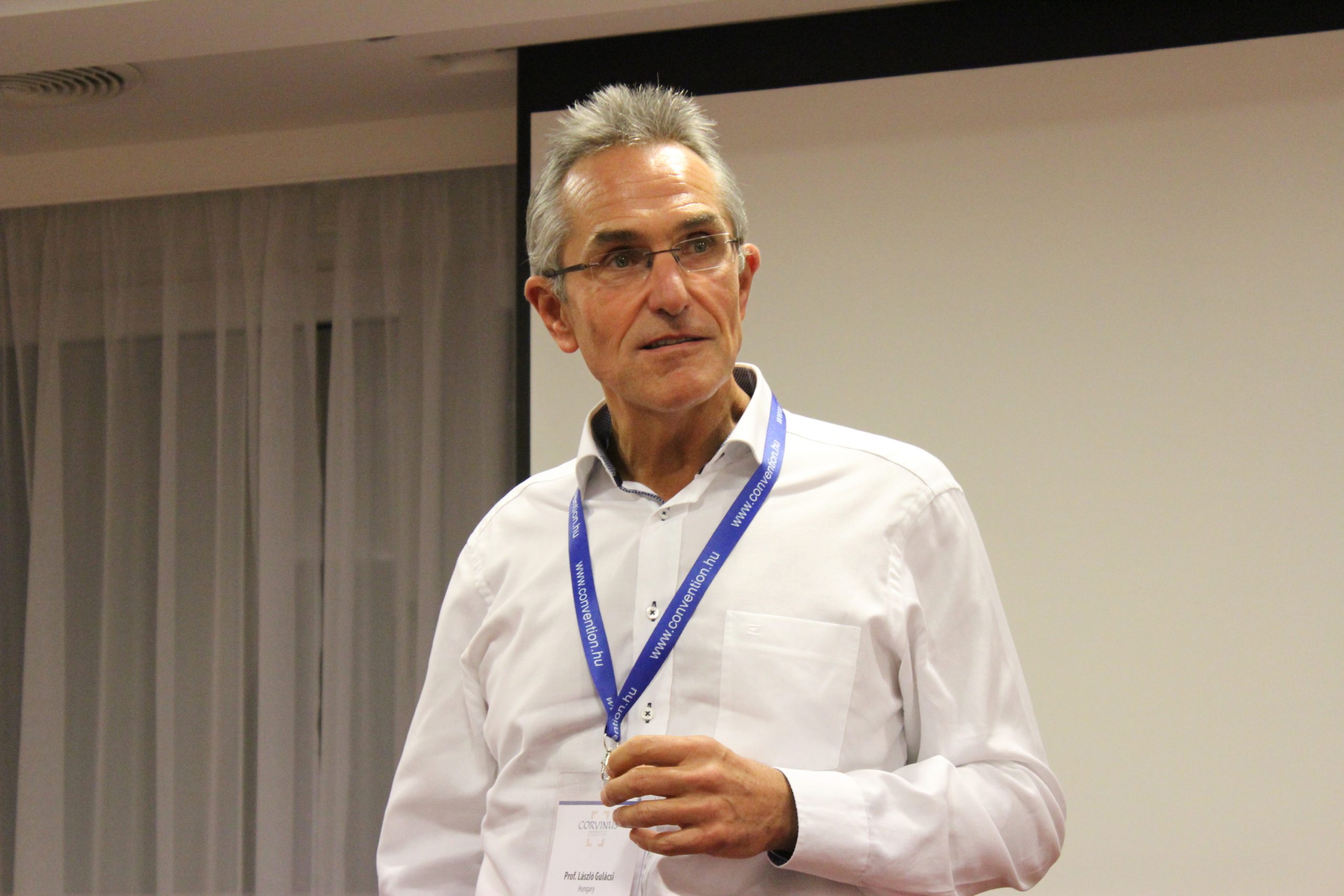 He is the past President of the Health and Health Care Economics Section of the Hungarian Economics Association.

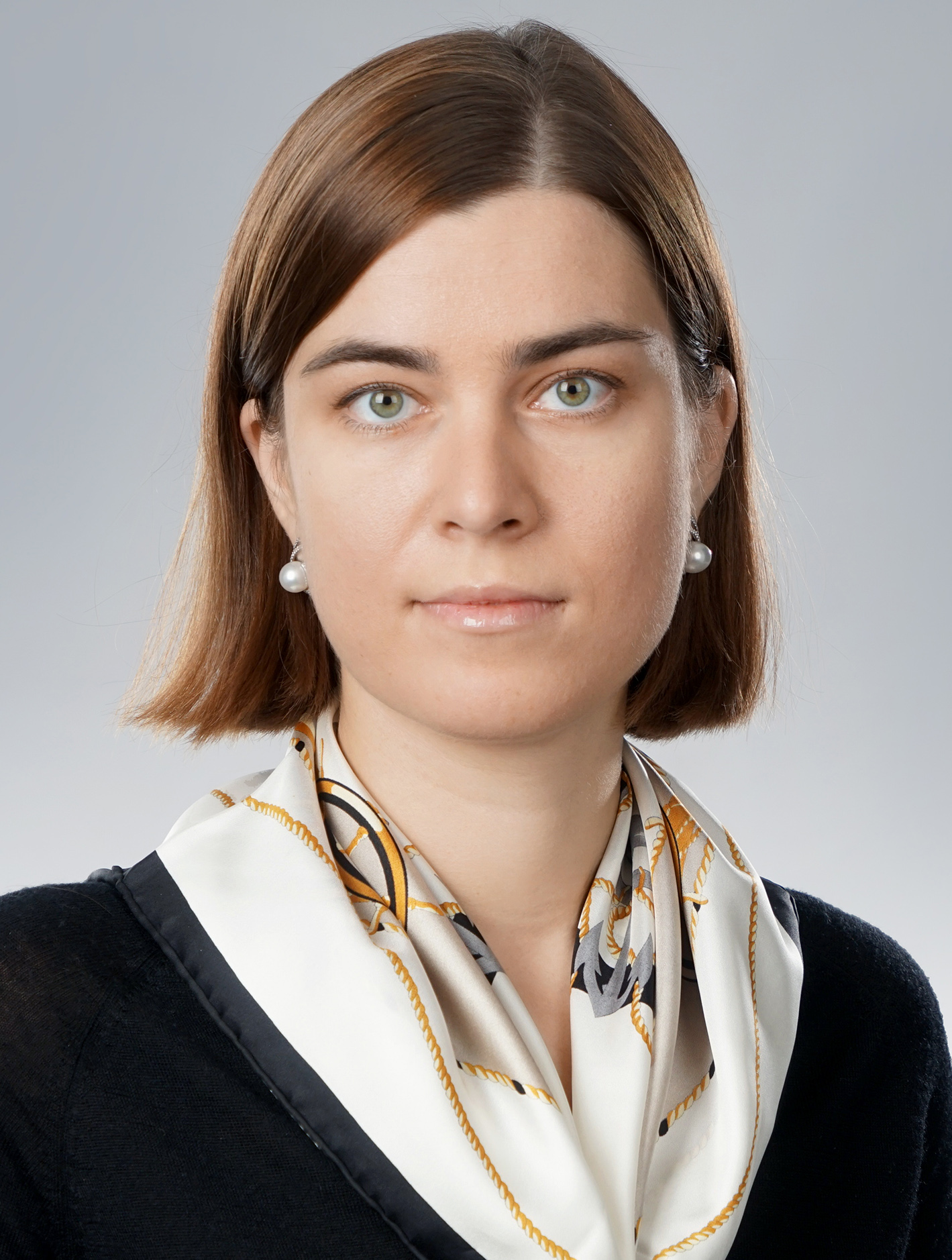
 Based in Berlin, Zuzanna Gorenstein is Head of Project of the German Rectors’ Conference (HRK) service project “International University Rankings” since 2019. Her work at HRK encompasses the conceptual development and implementation of targeted advisory, networking, and communication measures for German universities’ ranking officers. Before joining the HRK, Zuzanna Gorenstein herself served as ranking officer of Freie Universität Berlin.
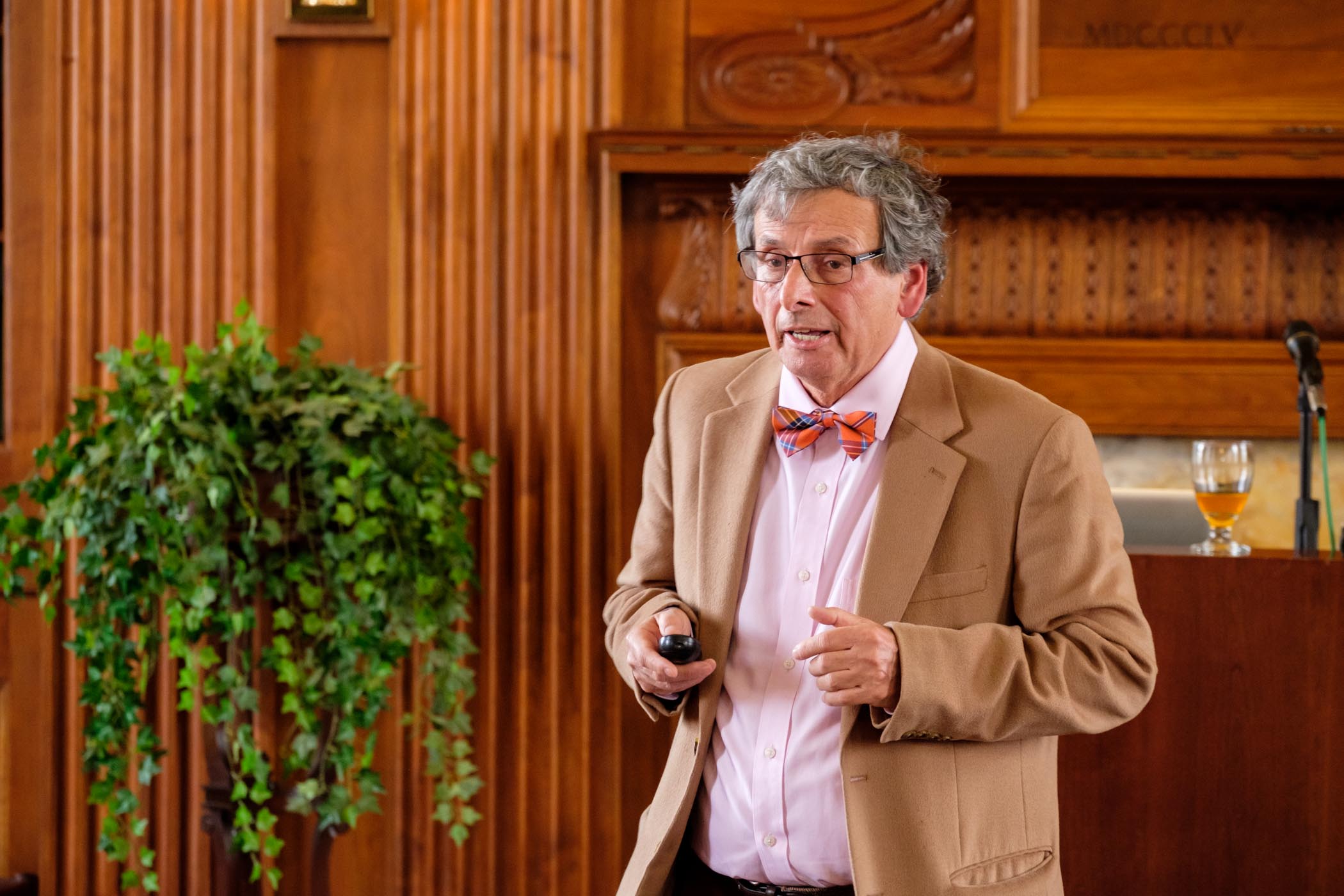 His books on mathematical modeling of chemical, biological, and other complex systems have been published by Princeton University Press, MIT Press, Springer Publishing house. His new book RANKING: The Unwritten Rules of the Social Game We All Play was published recently by the Oxford University Press, and is already under translation for several languages.